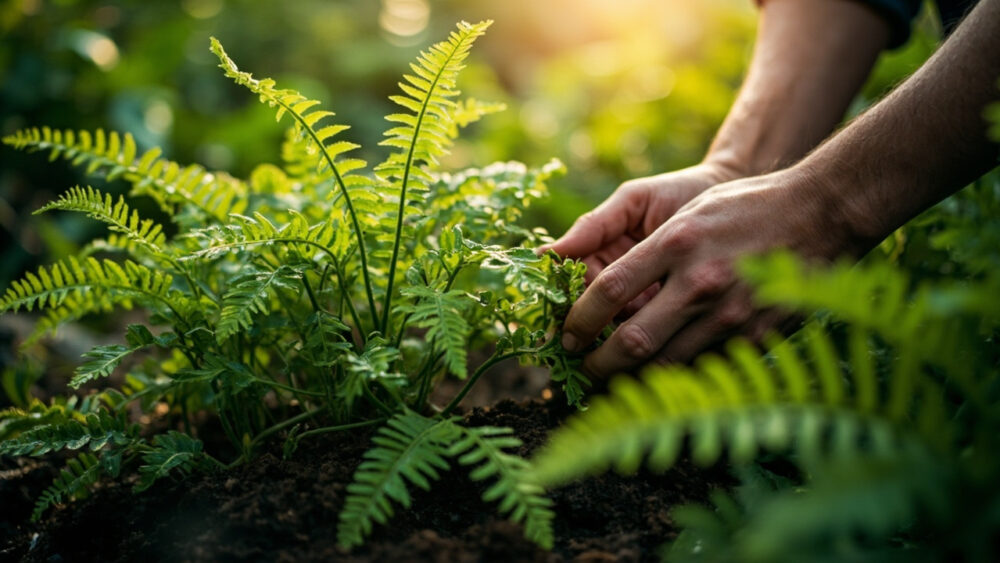
Caring for a maidenhair fern comes down to three non-negotiables: bright indirect light, soil that never fully dries out, and humidity well above what most living rooms offer. Miss any one of those and the fronds go crispy fast, often within a day or two of the soil drying out completely. Get all three right and this fern rewards you with some of the most delicate, ferny foliage you can grow indoors.
Here is the part nobody tells you honestly: maidenhair fern has earned its reputation as difficult, and that reputation is deserved if you treat it like a normal houseplant. It is not. It does not forgive one skipped watering the way a pothos does, and the usual advice to “let it dry between waterings” will kill it outright.
Below I will walk through light, watering, feeding, the maintenance routine, the specific problems that take these plants down, and the real signs of a happy one. Save the Maidenhair Fern at a Glance card at the very bottom, it is the thing you will actually want pulled up on your phone next time you are standing in front of this plant wondering what it needs.
Light, Placement, and Temperature
Maidenhair fern wants bright, indirect light, never direct sun. A north or east-facing window works well, or a few feet back from a south or west window where the light is filtered. Direct afternoon sun will scorch the fronds within hours, leaving them bleached and brittle.
Too little light won’t kill it as fast, but growth turns sparse and pale. Aim for a spot that reads bright to your eye all day without ever getting a direct sunbeam on the leaves.
Temperature-wise it wants a consistent 65 to 75°F, and it hates drafts. Keep it away from heating vents, cold windowsills in winter, and air conditioning blasts, all of which dry the air right where the plant can least afford it.
Light and temperature set the stage, but water is where most people actually lose this plant.
Watering: The Mistake That Kills Most Maidenhair Ferns
If you assumed the safe move is to let the soil dry out a bit between waterings like you would with a snake plant or pothos, that guess is exactly what kills most maidenhair ferns. This plant has thin, hair-like roots with almost no water storage capacity. Even one full dry-out can cause the entire top of the plant to collapse within a day.
Keep the soil consistently moist, like a wrung-out sponge, never soggy and never dry. Check it by pressing a finger into the top inch. It should feel damp, not wet and not dusty.
In most homes that means watering every 2 to 4 days in summer and every 5 to 7 days in winter, but let the finger test overrule any schedule. Water thoroughly until it drains from the bottom, and never let the pot sit in standing water for more than a few minutes.
If the fronds do go fully brown and crispy from a dry spell, it is usually not fatal. Cut every collapsed frond down to the soil line, keep the soil evenly moist, and new fiddleheads often push up within a few weeks. It looks hopeless right when it isn’t, which is the one honest reassurance worth knowing here.
Humidity matters just as much as watering schedule, and that is the piece almost everyone underestimates.
Humidity: The Sign Everyone Misreads
Most people see browning, crisping frond tips and assume the plant needs more water in the soil. Often the soil is fine and the real problem is dry air. Maidenhair fern wants humidity in the 50 to 80 percent range, well above the 30 to 40 percent typical of a heated or air-conditioned home.
A pebble tray with water beneath the pot, a spot in a bright bathroom, or a small humidifier nearby all help. Misting gives a brief boost but does not meaningfully raise humidity over the course of a day, so treat it as a nice extra, not a fix.
Grouping plants together also raises the humidity in their immediate zone.
Get the air right and the soil right together, and this fern stops being the fragile thing its reputation suggests.
Soil and Feeding
Use a light, well-draining potting mix that still holds moisture, a standard peat-based or coco-coir houseplant mix with some perlite works well. Straight potting soil packed dense will stay too waterlogged and rot the fine roots.
Feed lightly during the active growing season, roughly spring through early fall, with a balanced liquid houseplant fertilizer diluted to about half strength, every 4 to 6 weeks. Skip feeding in winter when growth slows or stops.
Over-fertilizing shows up as browned leaf edges and a salty white crust on the soil surface, so when in doubt, feed less rather than more.
With the growing medium settled, the next question is what regular upkeep actually looks like.
Pruning, Repotting, and Cleaning
Trim off any brown or yellowing fronds at the base as they appear, this keeps the plant looking full and redirects energy to new growth. There is no bad season for this, just snip as needed.
Repot every 1 to 2 years, in spring when new fiddleheads are emerging, moving up just one pot size. Maidenhair fern actually prefers being slightly snug in its pot, so resist the urge to jump to something much larger.
Because the fronds are so thin and delicate, skip wiping them down with a cloth the way you would a pothos or rubber plant leaf. A light rinse under lukewarm water, or a gentle shower, removes dust without snapping the foliage.
Now for the problems that actually take these plants down, and how to tell them apart.
Common Problems and Honest Fixes
- Crispy, browning fronds: almost always underwatering or low humidity. Check soil moisture first, then humidity. Cut back dead fronds and expect regrowth if the roots are still alive.
- Yellowing leaves with soggy soil: overwatering or poor drainage, often root rot setting in. Let the top inch dry slightly, check that the pot drains freely, and repot into fresh mix if roots look brown and mushy rather than firm and pale.
- Sudden total collapse after a sunny window move: direct sun scorch. Move back to indirect light immediately, the plant will not recover the burned fronds but new growth should come in fine.
- Sparse, pale, leggy growth: too little light. Move to a brighter spot, gradually, rather than a sudden jump into a much stronger light.
- Small webs or stippled fronds: spider mites, which favor dry air, the exact condition this fern already dislikes. Raise humidity, rinse the foliage well, and treat with insecticidal soap or a labeled miticide, following the product label exactly.
Maidenhair fern is mildly considered non-toxic in most toxicity references for cats and dogs, but any pet that eats a large quantity of plant material can still get an upset stomach. If you suspect your pet ate a significant amount, call your veterinarian rather than waiting to see what happens.
Once you have ruled out these culprits, it helps to know exactly what success looks like.
Signs Your Maidenhair Fern Is Actually Thriving
A genuinely happy maidenhair fern pushes out new fiddleheads regularly, tight little curled shoots that unfurl into fresh bright green fronds within a couple weeks. That steady new growth, more than anything else, is the real tell.
Fronds should feel supple, not stiff or papery, and the color should be a consistent rich green rather than pale or yellow-tinged. The plant should also look reasonably full rather than sparse, with new growth filling in as old fronds are trimmed away.
If you’re seeing new fiddleheads every few weeks through the growing season, you have already solved the hard part.
That is everything you need to keep one alive and looking good, and here is the short version to save.
Maidenhair Fern at a Glance
- Light: bright, indirect light only, a north or east window or a few feet back from south or west light, never direct sun.
- Watering: keep soil consistently moist like a wrung-out sponge, check with a finger in the top inch, water every 2 to 4 days in summer and 5 to 7 days in winter as a rough guide.
- Humidity: 50 to 80 percent, use a pebble tray, humidifier, or bathroom placement, misting alone is not enough.
- Temperature: 65 to 75°F, no cold drafts, no heating vents, no air conditioning blasts.
- Soil and feeding: light, well-draining, moisture-retentive mix, feed at half strength every 4 to 6 weeks in spring through early fall only.
- Repotting: every 1 to 2 years in spring, just one pot size up, this fern likes being slightly snug.
- Trouble sign: crispy fronds usually mean dry soil or dry air, cut them back and keep moisture consistent, new growth often returns within weeks.
Keep the soil evenly moist and the humidity up, and you have solved 90 percent of what makes this fern difficult.
Everything else is just trimming, light feeding, and watching for fresh fiddleheads.