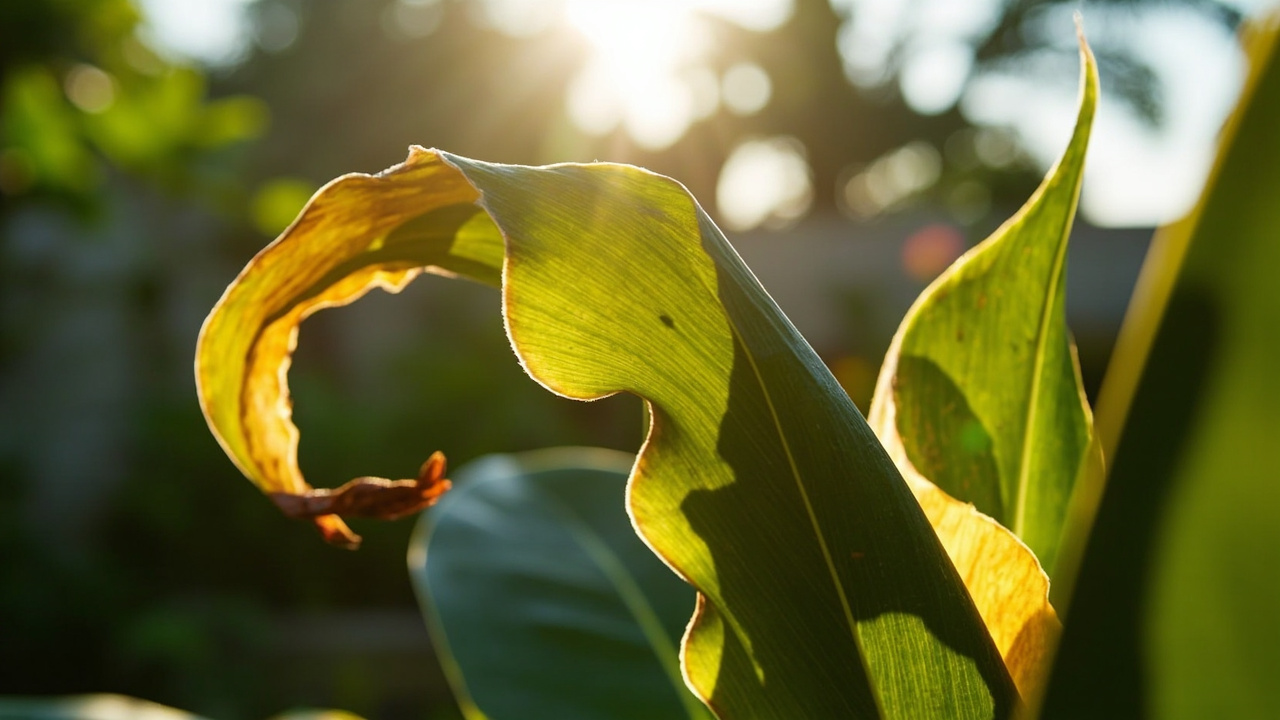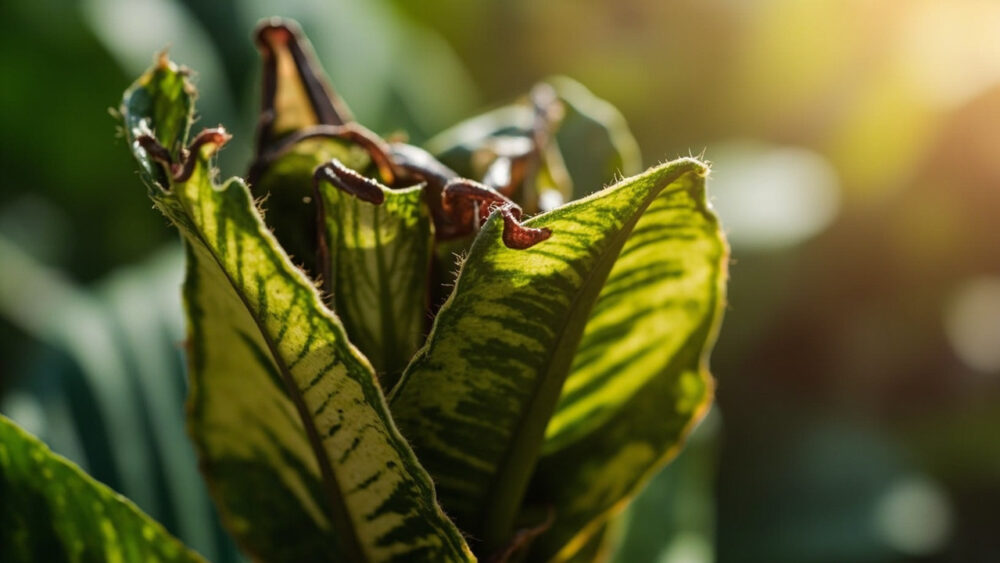
Nine times out of ten, calathea leaves curling means the plant is thirsty for humidity, not water. The air around it is too dry, and the leaves are rolling inward to cut down on moisture loss, the same way a lot of tropical foliage protects itself. The fix is usually a humidity adjustment, not a trip to the watering can, and that surprises most people.
Here is the loop worth opening right away: the cause almost everyone blames first, underwatering, is rarely the real problem, and dumping more water on a curling calathea often makes things worse. There is also one specific detail on the plant, where the curling starts and which leaves it hits first, that tells you exactly which of five or six causes you are actually dealing with.
Stick with this to the end and you will get the honest recovery outlook for each cause, plus a two-minute diagnosis checklist at the very bottom you can run right at the plant, no research required.
Causes Ordered by Likelihood
1. Low Humidity
Confirm it: feel the air near the plant. If it is near a heating vent, an air conditioner, or in a room that stays under 40 percent humidity, this is your cause. Curling usually shows up evenly across the newer growth first, leaves rolling into a tube shape lengthwise.
Fix it: group it with other plants, set it on a pebble tray with water below the pot’s base, or run a small humidifier nearby. Aim for 50 percent humidity or higher. Misting helps briefly but does not hold long enough to matter on its own.
But dry air is rarely acting alone, so check what is happening below the soil line too.
2. Underwatering (Real, but Less Common Than People Assume)
Confirm it: push a finger 1 to 2 inches into the soil. If it is bone dry and the pot feels notably light, and the curling comes with dry, crispy edges rather than a soft roll, this is genuine drought stress.
Fix it: water thoroughly until it runs from the drainage holes, then get on a consistent schedule. Calathea likes soil kept lightly moist, never soggy and never fully dry. Check twice a week until you know its rhythm.
If the soil was actually wet when you checked, the real culprit is hiding in the opposite direction.
3. Overwatering or Poor Drainage
Confirm it: if the soil is soggy at 2 inches down, smells sour or swampy, or the pot has no drainage hole, this is likely it. Leaves curl and often yellow at the same time, and you may see soft, mushy stems at the base.
Fix it: stop watering until the top 1 to 2 inches dry out. Check the roots: if they are brown and mushy instead of firm and pale, trim the rot and repot into fresh, well-draining mix with a pot that actually drains.
Root damage from overwatering is the one cause on this list that can quietly turn fatal, so do not skip that root check.
4. Tap Water Sensitivity (Fluoride, Chlorine, or Salts)
Confirm it: look for curling paired with crispy brown edges and tips specifically, especially on older leaves, even though your watering schedule looks fine. Calathea is notoriously sensitive to the chemicals in municipal tap water.
Fix it: switch to distilled water, rainwater, or tap water left uncovered for 24 hours to let chlorine gas off. Flush the pot with plain water every month or two to clear built-up salts from the soil.
This one is easy to miss because the watering routine itself looks perfectly correct.
5. Too Much Direct Light
Confirm it: check the sun exposure. If the plant sits in direct or strong afternoon sun, curling shows up on the sun-facing leaves first, often with bleached or faded patches alongside the curl.
Fix it: move it to bright, indirect light, a few feet back from a south or west window, or behind a sheer curtain. Calathea evolved as forest-floor plants and direct sun is genuinely too much for them.
Light problems are easy to fix and usually show fast improvement once corrected.
6. Temperature Stress or Cold Drafts
Confirm it: think about recent placement. Near a drafty window, an exterior door, or an AC vent, and has the room dropped below 60°F? Curling from cold stress often comes on suddenly and hits whichever leaves are closest to the draft.
Fix it: relocate away from drafts and temperature swings. Calathea wants a steady 65 to 80°F with no cold shocks.
Once you have ruled out or confirmed each cause on its own, the next step is comparing them side by side.
How to Tell the Causes Apart
Location matters more than most people think. Curling that starts on new growth points to humidity or light. Curling that starts on older, lower leaves points to watering issues or tap water buildup.
Pattern matters too. A soft, even roll across many leaves usually means humidity or heat. Curling paired with brown crispy edges usually means water quality or drought. Curling paired with yellowing and mushy stems means overwatering or root rot, and that combination needs immediate action.
Sudden curling overnight almost always means temperature shock or a light change, while gradual curling over a couple weeks points to humidity or a watering habit.
Once you know which pattern matches your plant, the next honest question is how much of this you can actually undo.
Will It Recover?
A leaf that has already curled from low humidity or light stress will not uncurl itself, but the plant absolutely recovers once conditions are fixed. New growth comes in normal and healthy within a few weeks.
Underwatered plants bounce back fast, often within days of a good soak, though any leaf that turned fully brown and crisp is done and can be trimmed off.
Overwatering is the one that decides fate on the roots, not the leaves. If you catch it before rot sets in, the plant recovers within a few weeks of drying out. If the roots are already black and mushy through most of the root ball, cut losses on that plant and start fresh from any healthy offshoot you can save.
Tap water damage and temperature stress both resolve steadily, usually over one to two months, as new leaves replace the damaged ones.
Old, damaged leaves are not coming back no matter the cause, but that is not the same as the plant failing.
How to Keep It From Happening Again
Humidity is the habit that matters most with calathea, more than any other single factor. Keep it above 50 percent permanently, not just when you notice curling.
Use filtered, distilled, or rested tap water every time, and flush the soil occasionally to prevent salt buildup. Keep light bright but indirect, and keep the plant away from vents, drafty doors, and windows that get harsh afternoon sun.
Water on a check-first schedule, testing soil moisture with a finger rather than watering on autopilot by the calendar.
Get those four habits steady and curling becomes rare, which brings us to the part you actually came here to save.
Diagnosis Checklist
- Feel the air near the plant: if it is dry, near a vent, or under 40 percent humidity, treat low humidity as your primary cause.
- Push a finger 2 inches into the soil: bone dry means check for drought stress, soggy or smelly means check for overwatering.
- Look at which leaves are curling: new growth points to humidity or light, older lower leaves point to watering or water quality.
- Check the edges of the curled leaves: crispy brown edges mean tap water sensitivity or drought, soft yellowing means overwatering.
- If soil is soggy, gently check the roots: firm and pale is fine, brown and mushy means rot and needs an immediate repot.
- Check the light exposure: any direct sun hitting the leaves means move it to bright, indirect light.
- Check for nearby drafts or vents: relocate if the plant sits within a few feet of one.
- Confirm your water source: switch to distilled, filtered, or rested tap water if you have never done so.
- Match your findings to the fix in the matching section above and apply only that one change first.
- Recheck in seven to ten days: new growth curling normally again means you found the right cause.
Calathea are dramatic communicators, but they are honest ones once you learn their signals.
Fix the actual cause instead of guessing, and this plant rewards you with some of the best foliage in the houseplant world.