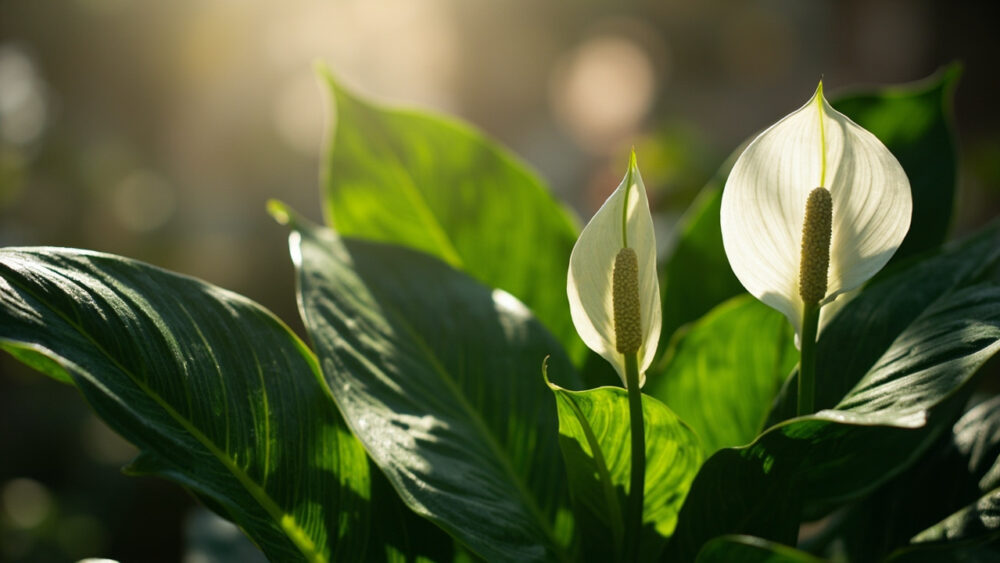
Water a peace lily about once a week, but the honest schedule is “when the pot gets light and the top 2 inches of soil are dry,” not a day on the calendar. In a bright room with a terracotta pot that might mean every 5 to 6 days. In a dim corner with a plastic pot, it might be every 10 to 12. This is the plant that will actually tell you, out loud, when it’s thirsty, and that’s the part almost nobody uses correctly.
Here’s the loop worth opening: the dramatic flop that makes peace lilies famous is not actually the problem. It’s the misread of that signal that kills people’s plants, because the flop looks identical whether the soil is bone dry or waterlogged and rotting. Guess wrong and you either drown a plant that was fine or starve one that’s already rotting.
There’s also a seasonal trap almost everyone falls into around October, and a watering technique mistake that undoes an otherwise perfect schedule. Stick around for the full breakdown, and save the Peace Lily at a Glance card at the bottom, it’s built to screenshot.
The Real Schedule, and What Actually Changes It
A peace lily in a 6 inch pot, in medium light, in a normal indoor room, usually wants water every 7 to 9 days. That’s the baseline everyone quotes, and it’s a fine starting guess for week one.
But four things shift that number hard: light, pot material, pot size, and season. More light means faster drying and more frequent watering. A terracotta pot wicks moisture out through its walls and dries faster than plastic or glazed ceramic. A rootbound plant in a small pot dries out fast; a plant swimming in a too-large pot stays wet for weeks and is an overwatering accident waiting to happen.
None of those four variables show up on a printed schedule, which is exactly why a fixed schedule fails.
Stop Guessing: The Finger Test, Pot Weight, and Leaf Cues
Skip the calendar and check the plant instead, it takes ten seconds. Push a finger into the soil up to the second knuckle, about 2 inches deep. Bone dry at that depth means water today. Cool and damp means wait 2 to 3 more days and check again.
Pot weight is the faster trick once you’ve done it a few times. Lift the pot right after a good watering and feel that weight. A pot that’s gone noticeably light has used up its water.
Leaf cues come last, and this is the guessable part people get wrong. If you assumed drooping leaves always mean “needs water now,” that guess is what leads to overwatering, because a rotting root system produces the exact same droop as a thirsty one. The finger test is what breaks the tie, always check soil before you trust the leaves.
Once the soil confirms it’s actually dry, it’s time to talk about doing the watering itself right.
How to Water a Peace Lily Properly
Water until it runs from the drainage holes, not a polite splash on top. Peace lilies want a full, deep soak that reaches every root, followed by a real dry-down period, not a sip every couple of days that only wets the top inch.
Let the pot drain fully for 10 to 15 minutes, then dump any water sitting in the saucer. Roots sitting in standing water are the single fastest route to rot, even if your watering frequency was otherwise correct.
Room-temperature water is fine; cold tap water straight from the fridge line can shock the roots over time. If your tap water is heavily chlorinated or very hard, letting it sit out overnight before use helps, though it’s not mandatory.
Get the technique right and the frequency question mostly solves itself, but you still need to know what a mistake looks like before it costs you the plant.
Overwatering vs Underwatering: Telling Them Apart
Both problems droop the plant, so leaves alone won’t settle it. The soil and the details will.
- Underwatered: soil is dry 2 inches down, pot feels light, leaves droop but leaf tissue still feels somewhat firm, leaf tips may look crispy or pale brown.
- Overwatered: soil is wet or soggy at 2 inches, pot feels heavy, leaves droop but feel soft or mushy, yellowing starts at the base, and you may notice a sour or musty smell near the soil.
Underwatering is the easy fix, a thorough soak brings most peace lilies back within a few hours to a day. Overwatering is the harder call: if the smell is present or roots feel black and slimy when you check them, some root rot has already set in and you’re looking at trimming damaged roots and repotting into fresh, dry soil, not just skipping a watering.
Neither mistake is fatal if you catch it early, which is exactly why the seasonal shift below matters so much.
Adjusting the Schedule by Season
Here’s the trap that gets people every October. Indoor heating kicks on, humidity drops, but growth also slows down with shorter days, and most people either keep watering at the summer rate or panic and increase it. Both are wrong in different ways.
In fall and winter, expect to stretch the interval out, often to every 10 to 14 days, since the plant is using less water even though dry indoor air is pulling moisture from the leaves. Check soil moisture rather than assuming heat means thirst.
In spring and summer, active growth and often more light mean a return to the 7 to 9 day range, sometimes faster if the plant is near a bright window or has been recently repotted into fresh soil.
Any time you move a peace lily to a new spot, light or heat, expect the schedule to shift and recheck with the finger test for a couple of weeks rather than trusting the old rhythm.
One more honest note before the save card: peace lilies are toxic to cats and dogs, and mildly irritating to people if chewed, due to calcium oxalate crystals in the leaves. If a pet chews on one and shows drooling, mouth swelling, or vomiting, call your veterinarian rather than waiting it out.
Peace Lily at a Glance
- How often to water: roughly every 7 to 9 days in active growth, stretching to every 10 to 14 days in fall and winter, adjusted by the finger test rather than the calendar.
- How to check: push a finger 2 inches into the soil, water only when that depth is dry, use pot weight as a fast secondary check.
- How to water: soak thoroughly until water runs from the drainage holes, let it fully drain, and always empty the saucer.
- Light needs: medium, indirect light, tolerates low light but blooms poorly there, avoid direct hot sun which scorches leaves.
- Overwatering signs: heavy pot, wet soil at depth, soft or mushy drooping leaves, yellowing from the base, possible sour smell.
- Underwatering signs: light pot, dry soil at depth, firm but drooping leaves, crispy brown leaf tips.
- Pet safety: toxic to cats and dogs if chewed, contact a veterinarian for any suspected ingestion.
When in doubt, check the soil before you touch the watering can. The finger test has saved more peace lilies than any schedule ever will.