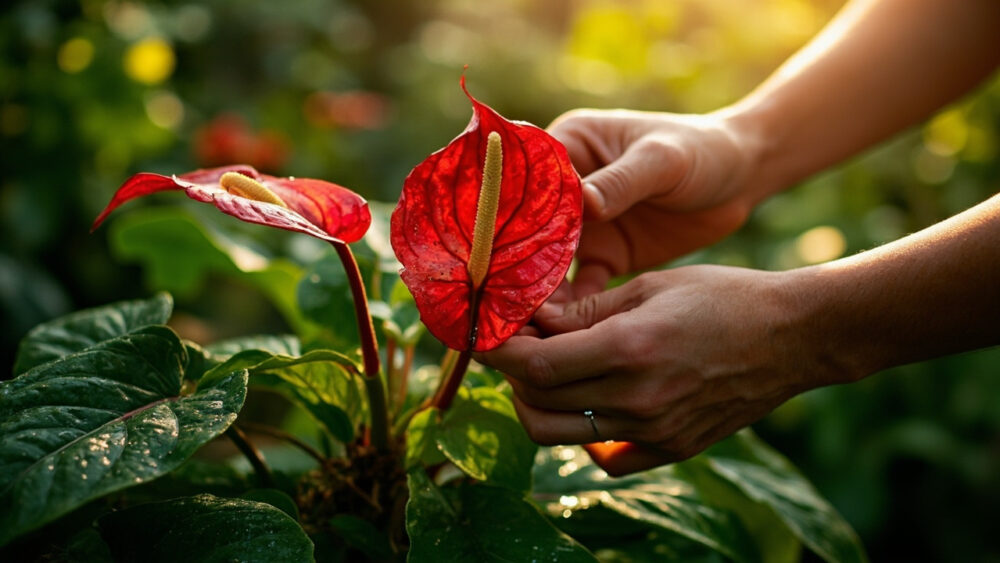
Here is how to care for anthurium without overthinking it: bright, indirect light, water only when the top inch or two of soil dries out, temperatures above 60°F, and a chunky, fast-draining mix that never sits soggy. Get those four things right and the glossy leaves and waxy flower spikes take care of themselves. Get one of them wrong for too long and you will watch a healthy plant slide into root rot or crispy leaf edges within weeks.
Most anthurium failures trace back to one mistake, and it is not the one people worry about. Everyone panics about light, but far more anthuriums die from a watering habit that feels responsible and is actually the opposite.
There is also a sign of stress almost every beginner misreads as thirst, and it means the exact opposite. Stick around and I will also tell you what a genuinely thriving anthurium looks like, because it is not just “green leaves,” and I will hand you a save-able Anthurium at a Glance card at the bottom with every number in one place.
Light, Placement, and Temperature
Anthuriums want bright, indirect light, the kind you get a few feet back from an east or west window, or right in front of a sheer curtain on a south window. Direct midday sun scorches the leaves; deep shade gets you a plant that survives but never flowers.
If the leaves look dark and stretch toward the window, that is a light shortage, not a watering problem. Move it closer to the brightest light you have without direct sun hitting the leaves.
Temperature matters more than people expect. Anthuriums are tropical and sulk below 60°F, with real damage starting around 50°F. Keep them away from cold drafty windowsills in winter and away from heat vents that dry the air.
Placement solved, but the next mistake is the one that actually kills most anthuriums.
Watering: The Habit That Ruins More Plants Than Drought Does
If you assumed keeping the soil constantly moist is the safe, caring choice, that assumption kills more anthuriums than underwatering ever does. These are epiphytes in the wild, growing in loose bark and leaf litter with roots that expect air, not a swamp.
Water only when the top inch or two of the mix has dried out, which for most homes lands somewhere between every 7 and 12 days. Stick a finger in past the first knuckle. Dry there, water thoroughly until it runs from the drainage holes. Still damp, wait.
Yellowing lower leaves that feel soft and a mix that smells sour or stays wet for a week straight is not a sign to water more. That is early root rot, and the fix is less water immediately, not more attention.
Anthuriums also like humidity above 50 percent if you can manage it, from a pebble tray, a humidifier, or grouping plants together. Dry, curling leaf edges with otherwise fine watering usually point to low humidity, not thirst.
Get the watering rhythm right and the potting mix underneath it matters just as much.
Soil and Feeding
Regular potting soil holds too much water and suffocates anthurium roots over time. Use a mix built for aroids: something like equal parts orchid bark, perlite, and a peat-free potting mix, or a commercial aroid blend if you can find one.
The mix should feel loose and chunky in your hand, not dense. Water should run through it in seconds, not sit on top.
Feed every four to six weeks during spring and summer with a balanced liquid houseplant fertilizer diluted to half strength. Skip feeding in fall and winter when growth slows, since fertilizer on a dormant plant just builds up salts in the soil and burns root tips.
The right mix and a light feeding hand set the plant up for years, but it still needs regular upkeep to stay in shape.
Pruning, Repotting, and Cleaning: The Routine Work
Prune off yellow or brown leaves at the base of the stem as they appear, any time of year. Spent flower spikes can be cut once they turn green and papery, which is a normal end-of-bloom stage, not disease.
Repot every 2 to 3 years, or sooner if roots are circling the pot or pushing up through the surface. Spring is the best window, right as new growth starts. Move up one pot size, not three, since a huge pot holds excess moisture the roots cannot use fast enough.
Wipe the broad leaves down with a damp cloth every few weeks. This is not cosmetic. Dust blocks light the plant needs, and clean leaves make it much easier to spot pests early.
Speaking of pests, here is where most anthurium trouble actually starts.
Problems Most Likely to Strike, and What They Actually Mean
Here is the sign almost everyone misreads. Curling, drooping leaves look like a thirsty plant asking for water, so people water it, and the plant gets worse. Drooping paired with soil that is already damp is usually overwatering and early root stress, not drought.
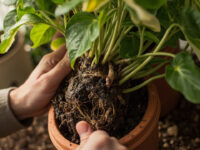
Check the roots if you can slide the plant out of its pot. Firm and white or tan means healthy. Brown, mushy, and foul-smelling means rot, and it means cutting away the damaged roots and repotting into fresh, dry mix immediately.
Common pests include spider mites and mealybugs, showing up as fine webbing or small cottony clusters in leaf joints. Wipe them off with a damp cloth or treat with insecticidal soap or neem oil, following the product label exactly.
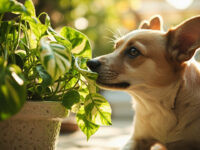
Anthurium is toxic to people and pets if chewed or eaten, due to calcium oxalate crystals that cause mouth and throat irritation, drooling, and swelling. If a pet or child eats any part of the plant, call a veterinarian or poison control right away rather than waiting to see what happens.
Once the plant is past its problems, it is worth knowing what real health actually looks like.
How to Tell It Is Genuinely Thriving
A thriving anthurium pushes out a new leaf every 4 to 6 weeks during the growing season, each one slightly larger than the last. The leaves stand upright and glossy rather than drooping by afternoon.
Flower spikes, the waxy heart-shaped blooms in red, pink, or white, are the real tell. A plant with the right light and a steady watering rhythm will rebloom every couple of months rather than flowering once and stalling out.
New growth emerging pale green and unfurling cleanly, with no yellow ring at the base, means the roots are happy underneath the soil you cannot see.
All of that comes down to a short list of numbers, and that list is exactly what you should save.
Anthurium at a Glance
- Light: bright, indirect light, a few feet from an east or west window or behind a sheer curtain on a south window, no direct midday sun.
- Watering: water when the top 1 to 2 inches of mix are dry, roughly every 7 to 12 days, always drenching until water runs from the drainage holes.
- Temperature and humidity: keep above 60°F, ideally 65 to 80°F, with humidity above 50 percent from a pebble tray or humidifier.
- Soil: a loose, fast-draining aroid mix of bark, perlite, and potting soil, never dense standard potting soil.
- Feeding: balanced liquid fertilizer at half strength every 4 to 6 weeks in spring and summer, none in fall and winter.
- Repotting: every 2 to 3 years in spring, one pot size up, sooner if roots circle the pot.
- Toxicity: toxic to pets and people if eaten, causes mouth and throat irritation, call a veterinarian for any suspected ingestion.
If you only remember one thing, remember this: check the soil before you water, not the calendar.
An anthurium that stays a little on the dry side will always outlast one that stays a little too wet.