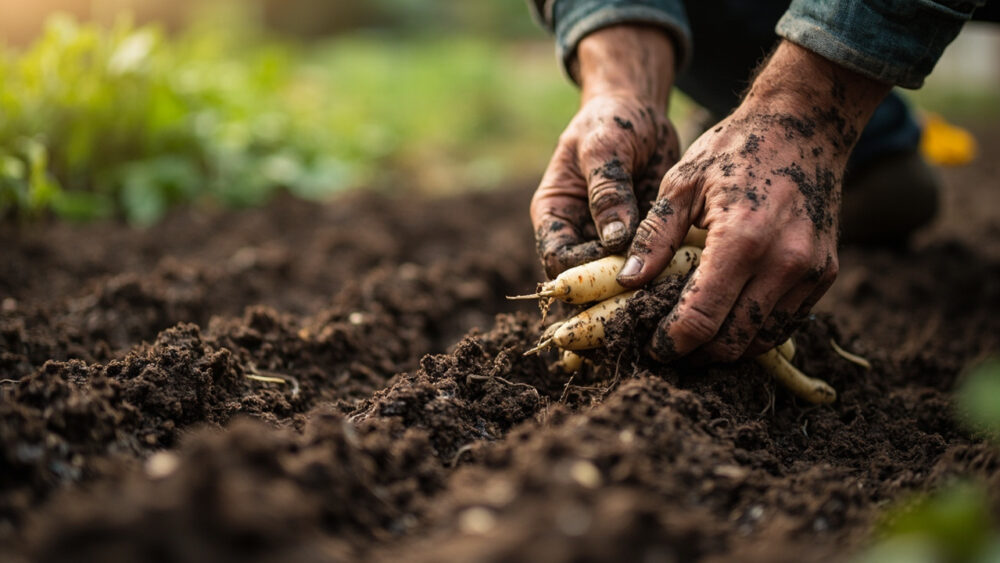
The real window for planting parsnips is two to four weeks before your last frost date, once soil temperature holds at 45 to 50 F. Parsnip seed is slow and stubborn, it needs cool soil to germinate at all, and it needs a long, unhurried season after that to build a decent root. Miss the window on either side and you get exactly what most beginners get: skinny, forked, bitter roots that were never going to feed anyone.
Here is where most people go wrong, and it is not the date. It is the seed itself. Parsnip seed loses vigor fast, and half the “failed” plantings out there were doomed the moment someone used a packet left over from two seasons ago.
There is also a timing trap that catches gardeners who did everything else right: parsnips left in cold ground too long do not just survive, they actually get better, and knowing when to stop worrying is its own skill. Stick around, because the Parsnips at a Glance card at the bottom saves every number in this article to your phone in one glance.
The Actual Planting Window, Anchored to Frost and Soil
Parsnips go in early, earlier than most root crops, because they need 100 to 130 days to mature and they tolerate cold far better than heat. Aim for two to four weeks before your average last frost date, as soon as the ground can be worked and isn’t a cold, waterlogged mess.
Soil temperature matters more than the calendar. Parsnip seed germinates poorly below 45 F and barely faster above 75 F. The sweet spot for germination is 50 to 65 F, and germination is slow even then, often two to three weeks, sometimes longer.
A light frost on emerging seedlings will not kill them. That resilience is exactly why the window opens so early.
Knowing the window is only useful once you know how to read your own dirt.
Reading Your Own Yard Instead of a Calendar
Forget the date on a seed packet and check the soil directly. Push a soil thermometer 2 to 3 inches down in the morning for a few days running. If it reads 45 F or higher and isn’t climbing back to freezing overnight, you’re in business.
No thermometer? Grab a handful of soil. If it crumbles and doesn’t clump into a cold, wet ball, and you can work it into a loose seedbed without it sticking to the tool, it has usually warmed enough.
Full sun helps soil warm faster than a shaded bed, so a south-facing row will hit that 45 to 50 F mark days or even weeks ahead of a shaded one. Two beds ten feet apart can be on completely different schedules.
Your soil will tell you the truth well before any date on a calendar does.
Too Early, Too Late, and the Guess Almost Everyone Gets Backward
If you assumed planting too early means the frost kills the seedlings, that is the wrong worry. Cold-hardy seedlings shrug off light frost fine. The real cost of planting into cold, wet soil is rot. Parsnip seed sitting in soggy ground below 40 F just decays before it ever sprouts, and you won’t know it failed for three weeks.
Planting too late is the more common season-killer. Push sowing into late spring, once soil is warming past 65 to 70 F, and germination slows further and the roots run out of season before they bulk up.
Late sowing in a short-season region often means harvesting thin, woody roots that never had time to fill out.
Both mistakes are avoidable, but only if you handle the seed itself correctly before it ever goes in the ground.
The Prep That Decides Success Before You Plant a Single Seed
Buy fresh parsnip seed every year. This is the mistake that quietly ruins more plantings than bad timing does. Parsnip seed viability drops hard after one year of storage, and two-year-old seed often germinates so poorly the row looks empty even under perfect conditions.
Work your bed deep, 12 to 15 inches if you can manage it, and clear out rocks and clumps. Parsnip roots fork and split around any obstruction, and a stone the size of a marble can ruin a root.
Skip fresh manure or heavy compost mixed in right before planting. Rich, loose nitrogen near the surface pushes roots to fork instead of growing straight and true.
Sow seed thinly, about half an inch deep, and keep the bed consistently damp until you see green, since a dried-out surface crust is often what stalls a slow germinator for good.
Get the bed right and the seed fresh, and the timing question mostly takes care of itself.
Zone and Region Notes That Actually Change the Plan
Cold-winter zones, roughly zone 3 through 6, should sow in early to mid spring, two to four weeks before last frost, and expect harvest in fall after a few hard frosts sweeten the roots.
In milder zones, 7 and up, you have a second option: a fall or even overwinter crop. Sow in late summer for a harvest that runs through winter, since parsnips left in the ground through cold weather actually improve, converting starches to sugar and tasting noticeably better after frost.
Hot-summer regions should avoid a spring sowing that drags into summer heat entirely. Once soil pushes past 75 F, germination drops off sharply and the whole planting can fail quietly.
That frost-sweetened harvest is the payoff for patience, and it is worth planning your whole season around.
Parsnips at a Glance
- When to plant: two to four weeks before your average last frost, once soil hits 45 to 50 F.
- Soil temperature range: germinates from 45 F up to about 75 F, best and most reliable between 50 and 65 F.
- Depth and spacing: sow seed about half an inch deep, thin seedlings to 3 to 4 inches apart in rows 12 to 18 inches apart.
- Days to maturity: 100 to 130 days, so plan for a full, long season.
- Seed age matters most: use fresh seed each year, since anything over a year old often germinates poorly.
- Fall or overwinter option: in mild winter zones, sow in late summer for a frost-sweetened winter harvest.
- Biggest mistake to avoid: planting into cold, waterlogged soil, which rots seed before it sprouts, and rich loose soil near the surface, which forks the roots.
Get the seed fresh and the soil temperature right, and the rest of the parsnip season mostly runs itself.
Give it the full season it asks for, and a little frost at the end, and you’ll understand why growers bother with a vegetable this slow.