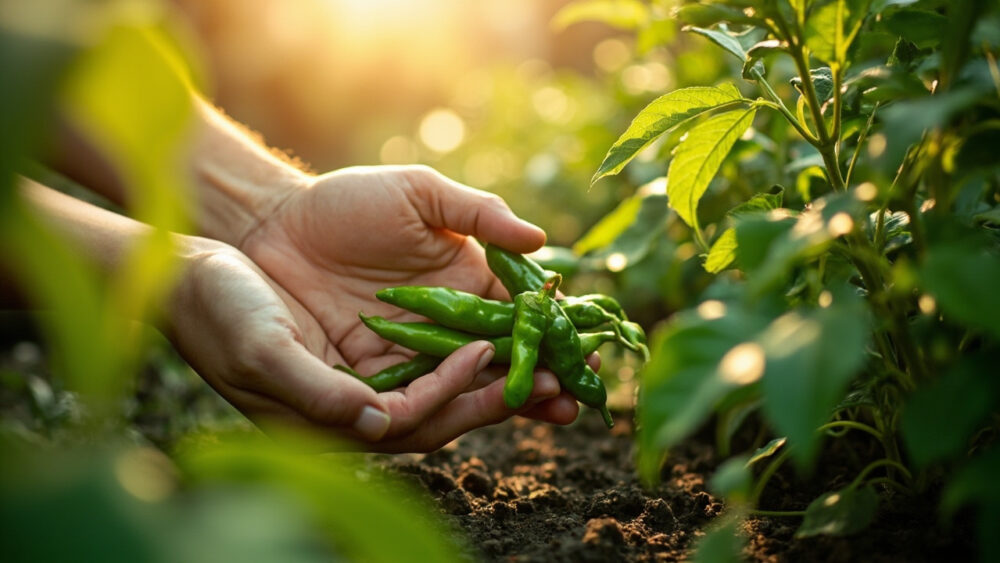
The answer to when to harvest shishito peppers is simple once you know the target: pick them at 2.5 to 4 inches long, while they’re still glossy, thin-walled, and mostly green, usually 60 to 75 days after transplant. You do not wait for them to turn color like a bell pepper. Most shishitos get picked green, and waiting too long is the single mistake that turns a mild, blistery snack pepper into something hot and tough.
That sounds straightforward, but there are two things that trip up almost everyone the first year. One is misreading the wrinkle: some shishito plants naturally produce a few crinkled, puckered pods even when they’re perfectly ready, and people assume that means rot or stress. The other is not knowing how long the picking window actually lasts, or what changes in the pepper’s flavor and heat once you let it ride past green.
Stick around and I’ll walk through exactly what to look and feel for, what happens if you pick early versus late, how to harvest without snapping the brittle stems, and how to keep a shishito plant producing for months instead of weeks. There’s also a save-able Shishito Peppers at a Glance card at the very bottom with the numbers you’ll want on your phone next time you’re standing in front of the plant.
The Real Ready Signs
A ready shishito is firm, glossy, and has filled out to nearly its full length, generally 2.5 to 4 inches depending on the exact plant. It snaps cleanly when you bend it, similar to a good snap pea. The skin should still look tight and shiny, not dull or leathery.
The wrinkle myth
Here’s the part that confuses new growers: shishitos are genetically prone to a crinkled, almost shar-pei texture on some pods, especially early in the season or during cooler nights. If you assumed a wrinkled pepper means it’s overripe or stressed, that guess is wrong more often than right. Wrinkled and ready is normal for this variety. What actually signals trouble is a pod that’s gone soft, mushy at the stem end, or spotted with sunken lesions, that’s rot or sunscald, not ripeness.
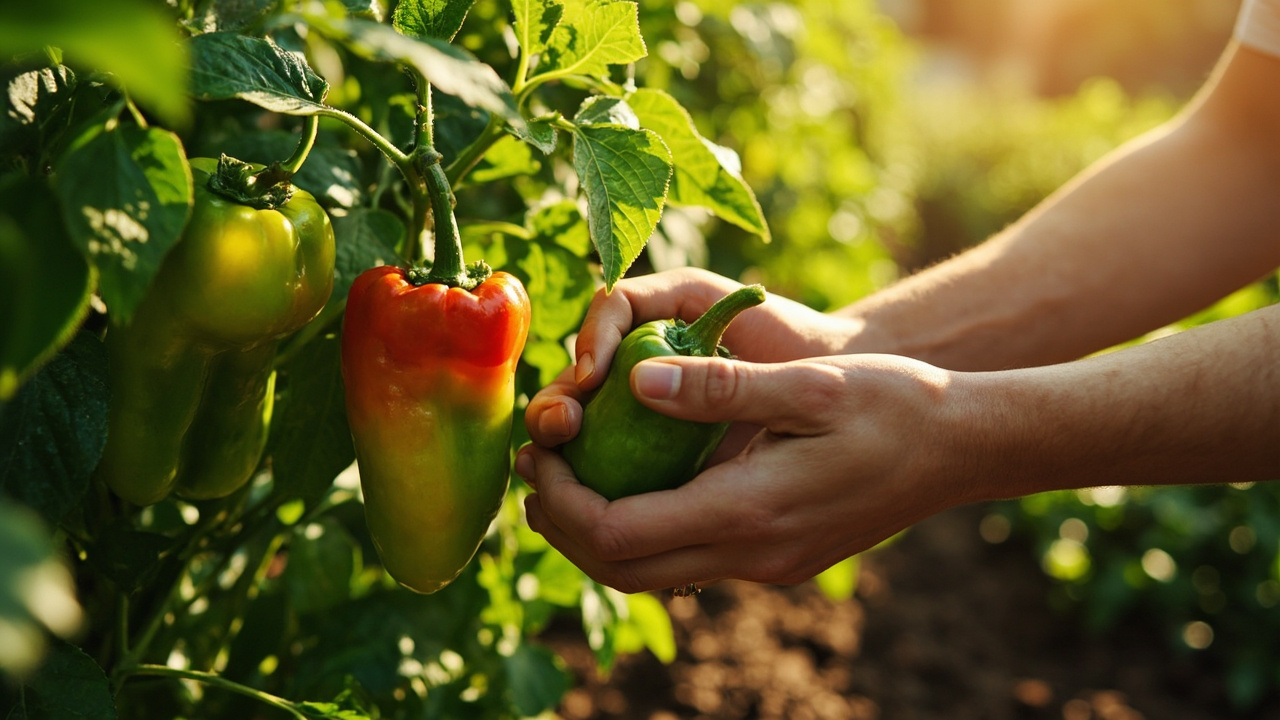
Color is the second cue, and it’s secondary to size and firmness. Harvest green is standard. Left on the plant longer, shishitos will start blushing orange-red at the tip, then all over.
Size and firmness tell you more than color ever will.
The Timing Window, and What Early or Late Picking Actually Costs You
From transplant, expect your first pickable pods around 60 to 75 days, depending on heat and how happy the plant is. Once flowering starts, individual pods go from tiny to harvest-ready in about 10 to 14 days in warm weather, slower if nights are cool.
Pick too early and you get a pepper that’s technically edible but thin, seedy-immature, and honestly not worth the trouble, there’s not much pod there yet. It’s a minor loss, mostly just impatience.
Pick too late and the tradeoffs are bigger than people expect. A shishito left to color up past green gets noticeably hotter, loses the thin crisp walls that make it good for blistering in a hot pan, and starts developing tougher skin and more seeds. It’s still not a hot pepper in the jalapeno sense, shishitos stay mild even mature, but that occasional “hot one in the batch” everyone talks about is almost always an overripe or stressed pod, not random bad luck.
Leave pods on too long in general and the plant also slows down, it reads a full load of maturing fruit as a signal to stop setting new flowers.
Get the timing right and the harvest step itself is easy, as long as you don’t damage the plant doing it.
How to Harvest Without Wrecking the Plant
Shishito stems and branches are brittle, more so than tomato stems, and this is where a lot of people cause damage without realizing it until the next day when a whole branch is drooping.
- Hold the branch, not just the pepper, with one hand to support it.
- Snip with scissors or pruning snips at the stem just above the pepper’s cap, rather than pulling or twisting.
- If you have no tools handy, bend the pod sharply downward against the stem, it should snap off clean at the joint.
- Harvest in the morning when pods are crisp and turgid, they bruise more easily in the heat of the afternoon.
- Work through the whole plant every 2 to 3 days once production ramps up, rather than doing one big pick a week.
Pulling instead of cutting is the classic damage move, it can strip bark off the main stem or snap a fruit-loaded branch clean off.
Once the peppers are off the plant, what you do in the next hour matters almost as much as the picking itself.
Right After the Harvest
Shishitos don’t store like a tough bell pepper. Get them out of direct sun immediately and into a shaded spot or straight into the kitchen; the thin walls that make them great for blistering also make them lose moisture fast.
Don’t wash them until you’re ready to cook. Wet peppers in storage soften and spot faster than dry ones.
In the fridge, unwashed and loose in a paper bag or a perforated produce bag, they hold well for about 5 to 7 days. Plastic bags with no airflow speed up rot, skip those.
They’re best used within a few days of picking, this isn’t a pepper that improves with age like a winter squash does.
Keeping the Harvest Coming
A shishito plant that’s picked consistently will outproduce one left to its own schedule, often by a wide margin over the season. Frequent harvest is the single biggest lever you have.
Pick every pod once it hits size, even if you don’t need them yet that day, letting pods mature signals the plant to slow flowering. If you’re overwhelmed, shishitos freeze reasonably well: blister them first in a hot dry skillet, then cool and freeze, rather than freezing raw.
Keep the plant fed lightly through the season, a diluted balanced fertilizer every few weeks, and don’t let it dry out completely between waterings; drought stress during fruiting is one of the more common causes of that occasional surprise-hot pod.
A shishito plant in good conditions, given regular picking, will keep flowering and fruiting until night temperatures drop into the 50s Fahrenheit and growth slows on its own.
Everything above works better once you’ve got the core numbers memorized, so here’s the card to save.
Shishito Peppers at a Glance
- When to plant: transplant outdoors 2 to 3 weeks after your last frost, once soil has warmed to at least 60 to 65 F.
- Days to first harvest: about 60 to 75 days after transplanting.
- Ideal pod size: 2.5 to 4 inches long, firm, glossy, snaps cleanly when bent.
- Harvest color: green is standard, wrinkled skin is normal and not a defect, orange-red blush means it’s past prime and hotter.
- How to cut: snip at the stem above the cap, support the branch, never pull or twist.
- Harvest frequency: every 2 to 3 days once production ramps up, to keep new flowers coming.
- Storage: unwashed, in a paper or perforated bag in the fridge, use within 5 to 7 days.
Get the size and firmness right and everything else about growing shishitos falls into place. Pick often, pick green, and the plant will keep feeding you well past when you expected it to quit.