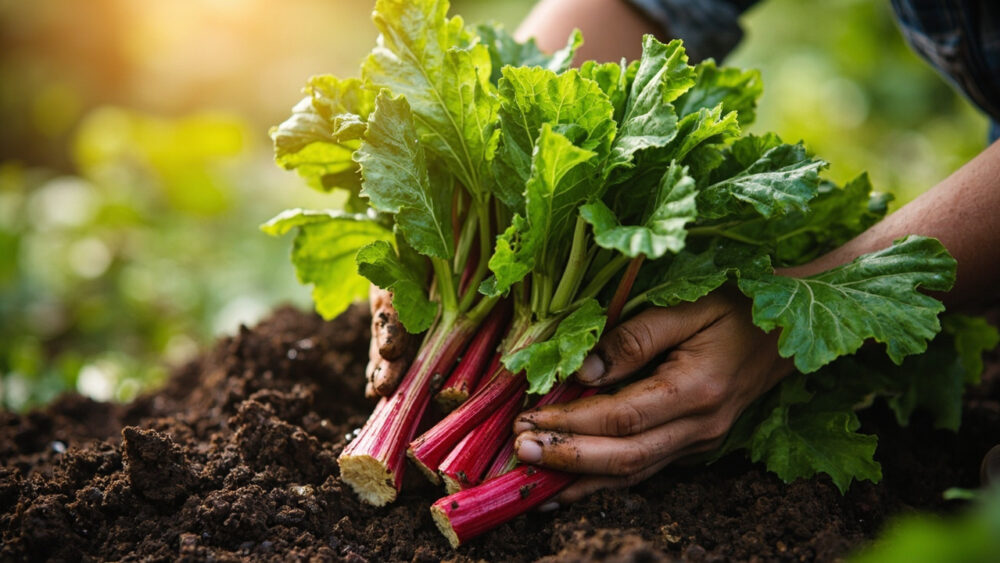
Rhubarb wants full sun, rich soil that drains well, deep and infrequent watering, and a spring feeding with compost or aged manure. How to care for rhubarb long term also means leaving it almost completely alone for its first year and resisting the urge to harvest anything at all. Get that patience right and a single crown will feed you for fifteen to twenty years.
Most people who kill rhubarb do it in one of two ways: they harvest too early, or they let it flower and think that’s just what rhubarb does. Neither is fixable after the fact, only prevented ahead of time.
There’s also a sign of thriving rhubarb that surprises people, and a poisoning question that comes up almost every season once the leaves start piling up in the compost bucket. Both get answered below, and the full Rhubarb at a Glance card is at the bottom, worth saving to your phone before you head back out to the patch.
Light, Placement, and Temperature
Rhubarb needs at least 6 hours of direct sunmore in cooler climates, less tolerable only in the hottest zones where afternoon shade actually helps. It’s a cold-hardy perennial, reliable in USDA zones 3 through 8, and it genuinely needs winter chill below 40°F to break dormancy properly the following spring. That’s why rhubarb struggles or sulks in zones 9 and up.
Give each crown its own real estate. Plant 3 to 4 feet apart, because a mature plant spreads 3 feet wide with leaves the size of dinner plates, and crowding invites rot and stunted stalks.
Pick a spot once and mean it, since rhubarb resents being moved.
Watering: How Much, How Often, and How to Tell
Rhubarb wants **consistent moisture, not wet feet. Water deeply once or twice a week, aiming for about 1 to 1.5 inches total per week between rain and irrigation, more during hot dry stretches when it’s pushing new stalks.
Check the soilnot the calendar. Push a finger 2 inches down; if it’s dry at that depth, water. If it’s still damp, wait a day or two.
Standing water is the real enemy. Rhubarb crowns rot in soggy, poorly drained soil faster than they ever suffer from underwatering.
Get the drainage right first, because no watering schedule saves rhubarb sitting in a swamp.
Soil, Mix, and Feeding
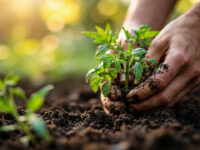
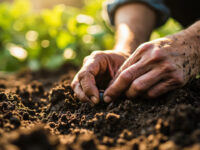
Rhubarb wants deeply dug, rich soil with a pH around 6.0 to 6.8, and it rewards heavy feeders. Work several inches of compost or well-rotted manure into the planting hole before you ever set the crown, then top-dress with more compost every spring as new growth emerges.
A layer of fresh manure is the one thing to avoid touching the crown directly, since it can rot the bud. Keep it a few inches back from the base.
An early spring dose of a balanced fertilizer helps too, but heavy compost does most of the real work here.
Feed it right and the mistake most people make next becomes obvious once you know what to look for.
The Routine Tasks: Pruning, Dividing, and the Patience Everyone Skips
Here’s the mistake that ruins most first attempts: harvesting in year one. Newly planted rhubarb needs that whole first season to build root reserves untouched. Take nothing the first year, harvest lightly in year two, and go full harvest only in year three onward.
Once establishedharvest by grasping a stalk near the base and pulling with a slight twist, rather than cutting, which leaves a wound that invites rot. Stop harvesting by early to midsummer so the plant can rebuild energy for next spring.
Every 4 to 5 years, divide the crown in early spring when new buds are visible, before growth takes off. Each division needs at least one healthy bud to replant.
The Flower Stalks Nobody Warns You About
If a thick central stalk shoots up with a bulbous flower head, cut it off at the base immediately. That’s rhubarb bolting, and if you assumed it’s just part of the plant’s normal cycle, that guess costs you the whole season’s stalk production, since energy goes into seed instead of stems.
Cutting flower stalks fast is the single highest-leverage five minutes you’ll spend on this plant all year.
Problems Most Likely to Strike
Crown rot is the big one, usually from poor drainage or fresh manure touching the base. Mushy, blackened stalks at the crown mean pulling the plant, cutting away rotted tissue, and replanting in better-draining soil, or starting over entirely if the whole crown is soft.
Thin, spindly stalks for several years running usually mean the crown is overcrowded and overdue for division, not a fertilizer problem.
Slugs and snails chew ragged holes in the leaves in cool, damp spring weather; hand-picking at dusk and clearing debris around the base keeps them in check. Leaf spot fungus shows as brown or purple blotches. Remove affected leaves and improve air circulation, and reach for a labeled fungicide only if it’s spreading fast, following the product label exactly.
None of these are usually fatal if caught early, which brings up the one question almost everyone eventually asks about this plant.
The Leaves: The Honest Answer to the Question You’re About to Ask
Rhubarb leaves are toxic, containing concentrated oxalic acid, and yes, that includes to pets and people. The stalks are the edible part. The leaves are not eaten, ever, no matter how many old recipes get passed around.
If a dog, cat, or child eats rhubarb leaves, symptoms can include drooling, vomiting, or lethargy, and this needs a call to a veterinarian or doctor, not a wait-and-see approach at home.
Compost the leaves or discard them. Just keep them out of reach of grazing pets in the meantime.
With that settled, here’s what it actually looks like when rhubarb is doing well.
How to Tell Rhubarb Is Genuinely Thriving
Thick, firm stalks in shades of deep red to green, depending on variety, are the clearest sign of a healthy plant, not necessarily deep red alone. Color is mostly genetics.stalk thickness and firmness tell you more about vigor than color ever will.
A thriving crown throws up a wide fan of large, glossy leaves each spring and keeps producing new stalks steadily through late spring into early summer.
The surprising sign most people miss: a well-fed, well-divided crown actually gets more productive for over a decade, unlike most vegetables that decline. Rhubarb genuinely gets better with age when it’s cared for right.
Everything above is the reasoning behind the numbers. Here’s the whole thing distilled for your pocket.
Rhubarb at a Glance
- When to plant: early spring as soon as soil can be worked, once it’s no longer frozen or waterlogged.
- Spacing and depth: 3 to 4 feet apart, crown buds set 1 to 2 inches below the soil surface.
- Light and zone: full sun, at least 6 hours daily, reliably hardy in USDA zones 3 through 8.
- Watering: deep watering once or twice weekly, about 1 to 1.5 inches per week, more in hot dry stretches.
- Soil and feeding: rich, well-drained soil at pH 6.0 to 6.8, heavy compost or aged manure each spring, kept off the crown itself.
- Harvest timing: none in year one, light picking in year two, full harvest from year three on, stopping by early to midsummer.
- Toxicity note: leaves are toxic to people and pets, stalks only are edible, call a vet or doctor for any suspected ingestion.
Patience in the first two years is what buys you two decades of easy harvests after.
Get the drainage and the flower-stalk timing right, and rhubarb genuinely takes care of itself.