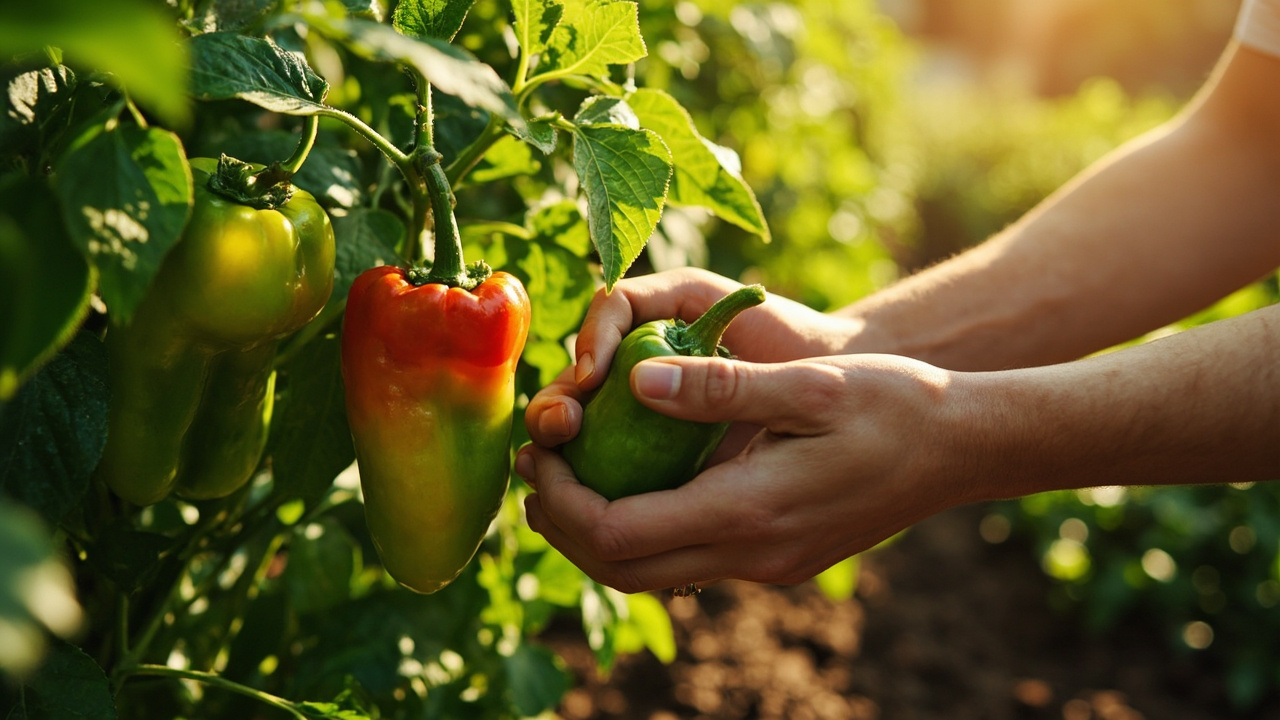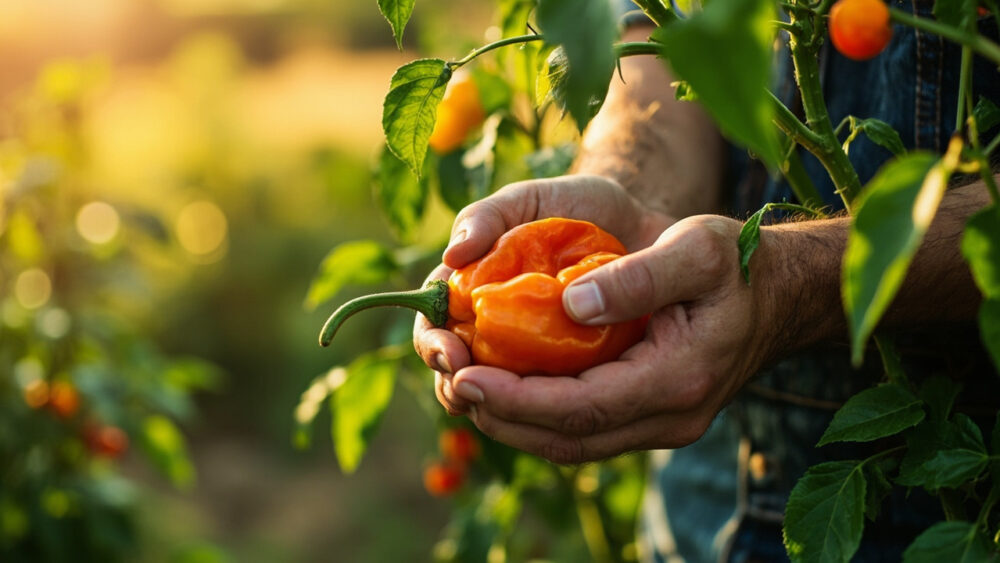
When to harvest habanero peppers comes down to color, not the calendar: pick them once they’ve fully turned from green to their mature color, whether that’s orange, red, or a chocolate brown, usually 75 to 100 days after transplant. A habanero that’s still green isn’t ripe, it just tastes bitter and grassy instead of fruity and hot. Most plants ripen their first peppers in mid to late summer and keep producing until frost cuts them down.
Here’s the part almost nobody tells you: the color change happens fast at the end, but the heat buildup keeps going even after the color looks done. Pick too early and you lose both flavor and a big chunk of the capsaicin punch habaneros are known for. There’s also a firmness test most gardeners skip entirely, and it’s more reliable than staring at color alone.
Stick around for the full ripeness checklist, the harvest technique that keeps your plant producing instead of stalling out, and the storage trick that lets you stretch one harvest into months of use. The Habanero Peppers at a Glance card at the bottom sums up every number in this guide so you can save it to your phone before you walk back outside.
The Real Ready Signs
Color is the obvious cue, but it lies to you if you rush it. A habanero can look fully orange or red for two or three days before it’s actually at peak flavor and heat.
Color
Wait for uniform color, no green patches anywhere on the skin, including near the stem where ripening finishes last. Common mature colors are orange, red, and a dark chocolate brown depending on variety.
Firmness and give
A ripe habanero feels firm but has a very slight give when you squeeze it gently, similar to a ripe plum. Rock hard usually means it still has a few more days.
Size and shape
Mature habaneros run roughly 1 to 2.5 inches long with that classic lantern shape and slightly wrinkled skin. Wrinkling is normal for this pepper, not a sign of drought stress or rot, so don’t let it scare you into pulling fruit early.
Once color, firmness, and size all agree, the timing question answers itself.
The Timing Window: Early, Late, and the Sweet Spot
Habaneros need 75 to 100 days from transplant to first ripe fruit, and that clock only starts once nighttime temperatures are reliably above 55°F. Plants set in cold soil just sit there sulking, so timing your harvest really starts back at planting.
Pick early and you get a pepper that’s still mostly green, or blotchy, with a sharp, almost vegetal bitterness and noticeably less heat than it would’ve had at full ripeness. Some cooks want that milder bite on purpose, and that’s a legitimate choice, just know you’re trading heat and fruitiness for it.
Wait too long and the fruit doesn’t rot fast on the plant, habaneros hold well, but it will eventually soften, shrivel past the normal wrinkle, and drop. Overripe fruit left hanging also signals the plant to slow down new flower production.
The sweet spot is that one to three day window right after full color change, when the fruit is fully colored but still firm.
Knowing when is only half the job, how you take it off the plant matters just as much.
How to Harvest Without Wrecking the Plant
Habanero stems are surprisingly brittle where they join the branch, and a hard yank is the single most common way people damage the plant while picking. That torn stem tissue is a real entry point for disease, not just a cosmetic scrape.
- Use scissors or pruning snips rather than pulling by hand whenever possible.
- Cut the stem about a quarter inch above the pepper, leaving a small stub attached to the fruit.
- Support the branch with your other hand so the weight of the fruit doesn’t strip the stem.
- Harvest in the morning after dew has dried, when the fruit is crisp and less prone to bruising.
- Handle ripe habaneros by the stem, not by squeezing the body, since the oils on the skin are potent.
Wear gloves. Habanero capsaicin transfers to skin easily and can linger for hours, and touching your eyes or face afterward is a genuinely miserable mistake. If you do get oil on bare skin, wash with dish soap rather than water alone, since capsaicin is oil-based and water just moves it around.
Get the cut right and the plant barely notices you were there, which sets up everything that happens next.
Right After You Pick
Fresh habaneros keep at room temperature for only two or three days before they start to soften. In the refrigerator, unwashed and in a loose bag or open container, they’ll hold for two to three weeks.
Don’t wash them until you’re ready to use or process them. Excess moisture sitting on the skin speeds up soft spots and mold, especially in a crisper drawer.
Sort as you go. Any fruit with a soft spot, a split skin, or visible mold should go straight to the compost, not the fridge, since it will affect neighboring peppers fast.
Once you’ve got more than you can eat fresh, it’s time to think about keeping the harvest going instead of just storing what you’ve got.
How to Keep the Peppers Coming
Regular picking is what keeps a habanero plant productive through the season. A plant loaded with ripe fruit left unpicked reads that as “job done” and slows new flowering, so consistent harvest is really a production strategy, not just a chore.
Pick every 3 to 5 days once fruiting starts, even if you’re pulling fruit slightly ahead of dead-ripe to keep up with the pace. A healthy plant in good sun can keep setting new peppers right up until the first frost.
For storage beyond a few weeks, habaneros freeze well whole on a tray, then bagged once solid, and they dry well too since their thinner flesh dehydrates faster than bell peppers. A dehydrator or a warm, well-ventilated spot works for drying; whole air-drying in humid climates risks mold before the inside fully dries.
Everything above boils down to a handful of numbers worth keeping on hand.
Habanero Peppers at a Glance
- When to plant: set transplants out 2 to 3 weeks after your last frost, once nighttime temps stay above 55°F.
- Days to first harvest: 75 to 100 days from transplant, depending on variety and heat.
- Ready signs: fully uniform color with no green patches, slight give when squeezed, 1 to 2.5 inches long, skin naturally wrinkled.
- How to cut: snip the stem a quarter inch above the fruit, don’t pull by hand, wear gloves.
- Harvest pace: every 3 to 5 days once fruiting starts, to keep the plant producing until frost.
- Fresh storage: 2 to 3 days at room temperature, 2 to 3 weeks refrigerated unwashed.
- Long-term storage: freeze whole on a tray then bag, or dry in a dehydrator for months of shelf life.
If you remember one thing, remember this: color alone isn’t enough, wait for firm-with-slight-give too.
Cut clean, pick often, and this plant will keep feeding you right up until frost takes it.