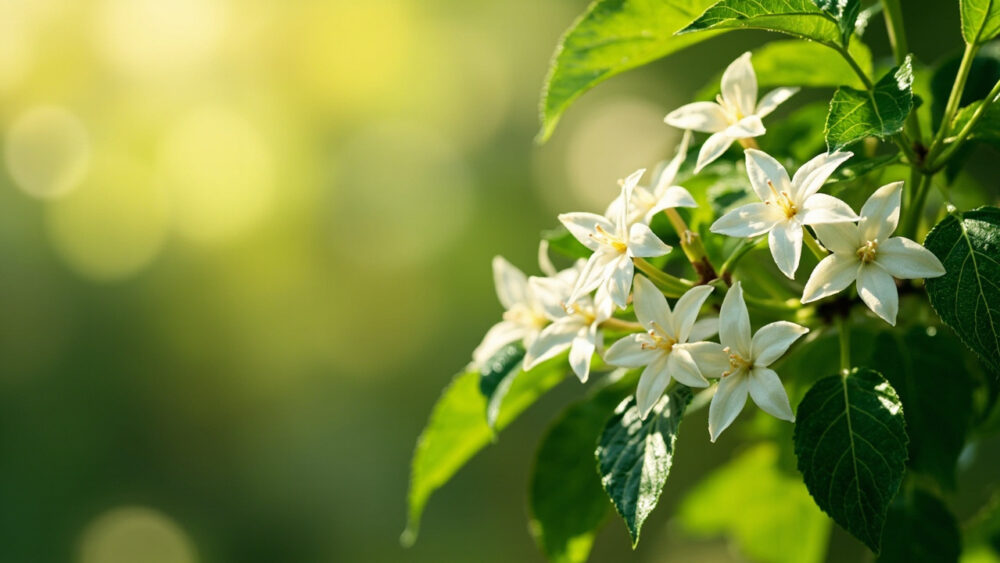
Most jasmine blooms in spring to early summer, with common star jasmine and true jasmine species opening flowers anywhere from March through June depending on your climate, and many varieties toss out a second lighter flush in late summer or fall. A few types, like winter jasmine, ignore that whole calendar and bloom in late winter instead. If your plant looks green and healthy but stubbornly bud-free, that is not always a timing problem, and one section below will walk you through exactly what to check on your own vine.
The answer also depends heavily on which jasmine you actually have, since “jasmine” covers a wide range of plants that are not even closely related botanically. Confederate jasmine, true jasmine (Jasminum species), and winter jasmine all run on different schedules and different triggers.
Stick with this one. Below you’ll find what actually controls bloom timing, the honest fix for a non-blooming plant, and a save-able quick-reference card at the very bottom that sums up the whole thing in one glance.
The Bloom Window and How Long It Lasts
A single bloom flush on most jasmine varieties lasts four to eight weeks, with individual flowers opening and fading within a few days each but the vine continuously producing new buds through that window. Star jasmine (Trachelospermum jasminoides) typically peaks in late spring into early summer. True jasmines like Jasminum officinale or Jasminum sambac bloom in warm weather and, in mild climates or as houseplants, can flower on and off for months.
Winter jasmine is the outlier: it flowers on bare stems in late winter before the leaves even fill in, then it’s done for the year.
In pots or as houseplants, tropical jasmines like sambac can bloom nearly year-round indoors with enough light and warmth, though flowering slows noticeably in the darker months.
Next, the part that actually decides when your specific plant flowers.
What Controls Bloom Timing
Three things drive when jasmine flowers: temperature, day length, and plant age. Most jasmine needs a run of warm days, generally consistent nights above 55 to 60°F, before it commits to budding.
That’s why the same variety blooms in March in a warm coastal climate and not until June somewhere with a slower spring. Day length matters too, since many jasmines are triggered by lengthening spring days, which is why a plant kept under weak, constant indoor light can go a long time between flushes.
Age plays a quieter role. A jasmine grown from a small nursery cutting often needs one to two full growing seasons before it has enough mature wood to flower heavily, so a first-year plant that stays green and leafy is usually just not old enough yet, not broken.
That patience issue leads straight into the question everyone asks next.
How to Get More Blooms, or a Longer Show
If you assumed more fertilizer means more flowers, that guess backfires more often than it helps. Too much nitrogen pushes jasmine into leafy growth at the expense of buds. What actually works:
- Light: give it at least six hours of direct sun outdoors, or the brightest window you have indoors; weak light is the single biggest cause of a leafy, flower-shy jasmine.
- Phosphorus-leaning feed: switch to a bloom-formulated fertilizer in early spring instead of a high-nitrogen all-purpose one.
- A slight winter chill or dry rest: many jasmines set more buds after a cooler, drier winter period, so if you overwinter a potted plant indoors, keep it on the cool side and ease off watering.
- Consistent moisture in bud season: once buds form, don’t let the plant dry to the point of wilting, or it will drop buds before they open.
Get the light and the winter rest right, and most non-blooming jasmine turns around within one season.
Why Your Jasmine Might Not Be Blooming at All
Rule out age first: a young plant under two years old, or one that was recently transplanted or hard-pruned, is often just rebuilding before it flowers again. That’s normal, not a failure.
Beyond age, the usual culprits are too much shade, chronic overwatering that keeps roots soft and unproductive, over-fertilizing with high-nitrogen feed, and pruning at the wrong time. Prune jasmine right after it finishes blooming; cut it back hard in fall or winter and you remove the very wood that would have flowered next.
One more honest possibility: some jasmine sold at big box stores is grown hard and forced to bloom for sale, then struggles to rebloom on a normal home schedule the first year after purchase. Give it a full season to reset before you assume something is wrong.
Once it does bloom, a little aftercare stretches the show considerably longer.
Deadheading and Aftercare That Extends the Bloom
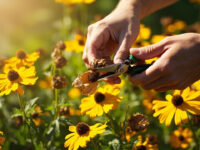
Jasmine flowers don’t need aggressive deadheading the way roses do, but snipping off spent flower clusters keeps the plant’s energy going into new buds instead of seed production. On vining types, a light shearing right after the main flush encourages a second, smaller round of blooms in late summer.
Keep watering consistent through the bloom period since drought stress is the fastest way to cut a flush short. A diluted bloom fertilizer every three to four weeks while it’s actively flowering also helps sustain the show longer than a single spring feeding would.
After the last flowers fade for the season, that’s your pruning window, not before.
All of that comes together in the card below, worth saving before you go.
Jasmine: Quick Reference
- Typical bloom window: spring through early summer for most star and true jasmine, with a possible lighter rebloom in late summer or fall.
- Exception: winter jasmine blooms in late winter on bare stems and does not repeat later in the year.
- Flush length: four to eight weeks per bloom cycle, individual flowers lasting only a few days each.
- Main triggers: warm days with nights consistently above 55 to 60°F, plus lengthening spring daylight.
- Plant age matters: young or recently pruned or transplanted jasmine often skips a season before flowering resumes.
- Biggest fix for no blooms: more direct light, less nitrogen, and a cooler, drier winter rest.
- Pruning rule: prune right after blooming, never in late fall or winter, or you cut off next season’s flowers.
Get the light, the feed, and the timing right, and jasmine rewards you with one of the most fragrant flushes in the whole garden.
Miss any one of those three, and you just get a very good-looking vine that never quite opens up.