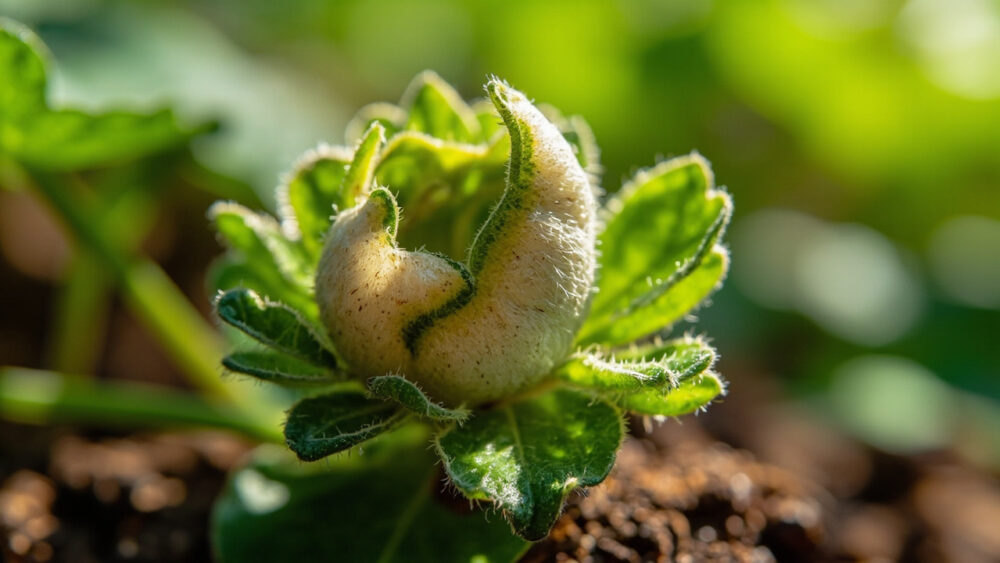
Curling strawberry leaves are almost always heat and water stress, not disease. When soil dries out even a little on a hot afternoon, the plant curls its leaves upward and inward to cut down on moisture loss, the same way a taco shell folds. Water deeply, get mulch down, and most plants uncurl within a day.
But that is not the only cause, and guessing wrong wastes time you do not have in strawberry season. Spider mites cause a very similar curl and most people never think to check for them until the plant is half wrecked. There is also one specific pattern, where the curl starts and which leaves it hits first, that tells you exactly which of the five or six real causes you are dealing with.
Stick with this. Below is every likely cause ranked by how often it actually happens, the tell-apart guide for your exact plant, an honest recovery outlook, and a save-able diagnosis checklist at the very bottom you can run in two minutes standing right at the bed.
Most Likely Causes, Ranked
1. Heat and Moisture Stress
Confirm it: check the soil an inch or two down. If it is dry and crumbly, and the curling is worse in early afternoon sun and eases by evening, this is your cause. Leaves curl upward from the edges, and the whole plant looks slightly wilted rather than discolored.
Fix it: water deeply at the base until the top 6 inches of soil is moist, not just the surface. Add 2 to 3 inches of straw or shredded mulch to hold moisture and keep roots cooler. Strawberries want roughly 1 to 1.5 inches of water a week, more during fruiting and heat waves.
If the soil test comes back damp instead of dry, the real culprit is hiding somewhere else.
2. Spider Mites
Confirm it: flip a curled leaf over and look at the underside with good light, a phone flashlight helps. You are looking for fine webbing near the leaf veins and tiny specks that move, or a stippled, dusty-bronze look to the leaf surface. Mites thrive in hot, dry, dusty conditions, often the same weeks as drought stress, which is why the two get confused.
Fix it: a strong jet of water on the undersides every couple of days knocks populations down fast. For heavier infestations, insecticidal soap or horticultural oil applied per the product label works well; always spray in the evening to avoid leaf burn and protect pollinators.
Old, tired leaves curling is one story, but new growth coming in curled from the start points somewhere else entirely.
3. Aphids
Confirm it: look at the newest, smallest leaves near the crown. Aphids cluster there and cause new growth to emerge already curled, cupped, or puckered, often with a sticky residue (honeydew) on the leaf surface or ants patrolling the plant.
Fix it: a hard water spray dislodges light infestations. For persistent ones, insecticidal soap covering the undersides of leaves, following the label, brings numbers down within a week or two. Ladybugs and lacewings, if you have them nearby, will do a lot of this work for free.
If the leaves look clean and pest-free but still curl, check what fed the plant last.
4. Fertilizer or Nutrient Imbalance
Confirm it: think back on your last feeding. Curling combined with dark green, almost leathery leaves usually means too much nitrogen. Curling with pale, yellowish leaves and stunted growth points toward a potassium or overall nutrient deficiency, common in older, unamended beds.
Fix it: for excess nitrogen, stop feeding and water well to help leach some out, then switch to a balanced fertilizer formulated for fruiting plants next time. For deficiency, work a balanced or fruit-specific fertilizer into the soil at label rate and follow with a deep watering.
Sometimes the plant is fine and the problem is actually the weather itself.
5. Cold Damage or Frost
Confirm it: did temperatures drop near or below freezing in the last few days? Cold-damaged leaves curl downward and inward, often with a darkened, almost water-soaked look, sometimes with blackened edges. This shows up fastest on the oldest, most exposed leaves.
Fix it: there is no reversing already-damaged tissue, but you can trim off the worst leaves once new growth resumes. Cover plants with row cover or a light frost blanket on nights when temperatures are forecast to dip below about 33 to 34 F, especially during bloom.
One more cause is less common but worth ruling out if nothing above fits.
6. Viral Disease (Strawberry Crinkle or Related Viruses)
Confirm it: look for a permanent, distorted crinkle or curl that does not resolve with water, cooler weather, or pest treatment, sometimes paired with stunted growth and pale spotting or streaking. This usually shows up plant by plant rather than across the whole bed evenly, and it often traces back to infected transplants.
Fix it: there is no cure. Remove and destroy affected plants to protect the rest of the bed, and control aphids aggressively since they spread these viruses between plants.
Now that you have the list, here is how to actually tell them apart at a glance.
How to Tell the Causes Apart
Where the curl starts matters more than almost anything else. Curling that begins on new, unfurling leaves at the crown points to aphids or a virus. Curling that hits older, established leaves first points to drought stress, mites, or cold.
Pattern across the bed is the second clue. If every plant in the row is curling the same way, suspect environment: heat, drought, cold, or fertilizer. If it is one or two plants surrounded by unaffected neighbors, suspect a virus or a localized pest colony.
Texture and color finish the picture. Dusty, stippled, bronze-tinged leaves mean mites. Sticky, glossy leaves with ants mean aphids. Dark, leathery, overly lush leaves mean too much nitrogen. Blackened, water-soaked edges mean cold.
Once you know which one you have, the next question is whether the plant actually bounces back.
Will It Recover?
Drought and heat stress recover fastest, often within 24 to 48 hours of consistent watering and mulch. This is genuinely the best-case cause to have.
Pest damage from mites or aphids recovers well once populations are controlled, though individual curled leaves usually stay curled. New growth comes in normal. Expect a week or two of visible treatment before things look clean again.
Fertilizer imbalance resolves over one to two growing cycles as you correct feeding, and existing curled leaves generally will not flatten back out, but new leaves will grow normally.
Cold damage is permanent on the leaves it hit, but the plant itself is usually fine long term. Trim the damaged leaves once you see healthy new growth pushing.
Viral disease is the one honest exception: there is no recovery, and the responsible move is removing the plant before it spreads to the rest of the bed.
Knowing the outlook is useful, but preventing a repeat next season is more useful still.
How to Keep It From Happening Again
Consistent watering beats occasional deep soaking beats frequent shallow sprinkling, and mulch is what makes consistency possible in hot weather without you standing there with a hose every day.
Inspect leaf undersides every week or two during warm, dry stretches, since that is exactly when mites and aphids build up fastest and earliest detection means an easy fix instead of a fight.
Feed on a schedule appropriate for fruiting plants rather than guessing, and resist the urge to over-fertilize strawberries, they are lighter feeders than most people assume.
Buy transplants from a reputable source, since virus-carrying stock is one of the few strawberry problems you genuinely cannot fix once it is in your bed.
Keep the two-minute checklist below on hand next time a plant curls on you.
Diagnosis Checklist
- Check soil moisture 1 to 2 inches down: if dry, water deeply and mulch, recheck in 24 to 48 hours.
- Flip a curled leaf over: look for fine webbing or tiny moving specks, if present treat for spider mites.
- Inspect the newest crown leaves: if they emerge already curled and sticky, treat for aphids.
- Recall recent feeding: if leaves are dark, thick, and lush, hold off fertilizer and water to leach excess nitrogen.
- Check recent overnight temperatures: if near or below freezing, look for dark, water-soaked, downward-curled edges and expect that damage to be permanent on those leaves.
- Look at the pattern across the bed: whole-row uniform curling means environment, isolated single plants mean pest or virus.
- If curling is permanent, distorted, and isolated to specific plants with no pests found, suspect virus and consider removing that plant to protect the rest.
Most curled strawberry leaves are asking for water, not warning of disease.
Run the checklist once, and you will know exactly which fix to reach for.