The most common reason a plumeria refuses to flower is simple: not enough direct sun. Plumeria needs six to eight hours of full, unfiltered sunlight to set flowers, and a plant tucked under a porch roof or getting bright shade will grow lush green leaves forever without ever pushing a bloom spike. Move it into the brightest, hottest spot you have and you fix more plumeria-not-blooming cases than anything else on this list.
But sun is not the only culprit, and it is not even always the right one. If your plumeria sits in full sun already and still refuses to bloom, something else is going on, and the usual suspect people blame first, too much fertilizer or the wrong pot, is often not it either.
There is a specific detail on the plant right now, the shape and color of the branch tips, that tells you which cause is actually yours. Stick with this and you will also get the honest answer on whether a stubborn plumeria ever catches up, plus a two-minute diagnosis checklist saved for the bottom of the page.
Causes Ordered By Likelihood
1. Not Enough Direct Sunlight
Confirm it: stand where the plumeria lives and watch the light for a full day. If it gets less than six hours of direct sun, or the sun is filtered through a tree canopy or a screened porch, this is almost certainly your cause. Plants in part shade often look perfectly healthy, just leafy and flowerless.
Fix it: move container plants to the sunniest spot on your property, ideally south or west facing. In-ground plants that have grown into shade from a tree overhead may need that limb trimmed or the plumeria root-balled and relocated during dormancy.
Sun fixes most cases, but a plant that is already baking all day has to be ruled out next.
2. Plant Is Still Too Young or Too Small
Confirm it: check the trunk diameter and branch count. Plumeria grown from seed typically takes two to three years to bloom, and even rooted cuttings need to build enough branching structure, usually a few forked tips, before they flower. A single-stem plant with no branches yet is simply not mature enough.
Fix it: there is no shortcut here except good growing conditions. Full sun, warm temperatures, and steady feeding through the growing season speed up the maturity clock, but you cannot force bloom on an immature plant.
If your plant is old enough and still not branching, the next cause is usually why.
3. Too Much Nitrogen, Not Enough Phosphorus and Potassium
Confirm it: look at the growth pattern. A plumeria pushing out big, dark green leaves and long stem extension but never forming the swollen, rounded tip that signals a bloom spike is often overfed on nitrogen, frequently from lawn fertilizer runoff or an all-purpose feed used too heavily.
Fix it: switch to a bloom-boosting formula lower in nitrogen and higher in phosphorus and potassium, applied through the active growing season and following the label rate. Ease off high-nitrogen feeding entirely until you see bloom spikes form.
Feeding the wrong ratio can quietly cancel out an otherwise perfect sunny spot.
4. Temperatures Too Cool or Dormancy Never Broken
Confirm it: plumeria wants nighttime temperatures reliably above 60°F to actively grow and bloom. If your plant came out of winter storage late, or spring nights are still dipping into the 50s and below where you live, growth stays sluggish and bloom gets delayed or skipped for the season.
Fix it: hold off moving plants outdoors until nights are consistently warm, and in cooler climates consider a heated greenhouse or sunroom to get a jump on the season. Patience here matters more than any product.
Temperature problems often travel together with a root system that is not much help either.
5. Pot Too Large or Roots Too Cramped
Confirm it: slip the plant from its pot and look at the roots. A rootball swimming in loose soil in an oversized pot, or the opposite, roots circling tightly with almost no soil left, both suppress blooming because the plant puts energy into roots or struggles for stability instead of flowering.
Fix it: plumeria actually blooms best a little pot-bound. Size up only one pot diameter at a time, never more, and repot in spring as growth resumes.
Even a perfectly potted plumeria can stall out if it never got a rest last winter.
6. No Real Dormant Period Last Winter
Confirm it: think back on how the plant spent winter. Plumeria kept warm, watered, and lit through winter without a true rest period, especially indoors under grow lights, sometimes fails to reset and skips its bloom cycle the following season.
Fix it: let the plant go dormant on purpose. Withhold water almost entirely once it drops its leaves, keep it cool and dry through winter, and resume watering only as new leaf growth appears in spring.
Once you have ruled out light, age, feeding, temperature, roots, and dormancy, one thing is left: the calendar itself.
7. It Simply Is Not Bloom Season Yet
Confirm it: plumeria typically blooms from late spring through summer into early fall, depending on climate, and bloom spikes usually show up several weeks after strong new leaf growth starts. If you are checking in early spring right after the plant leafed out, you may just be early.
Fix it: nothing to fix. Keep up sun, warmth, and steady care, and give it the rest of the season before you assume something is wrong.
Now that you have the list, here is how to figure out which one actually matches your plant.
How to Tell the Causes Apart
Look at where the problem shows up. Sun and nitrogen issues show up as vigorous leafy growth with zero bloom spikes anywhere on the plant. Cold and dormancy issues show up as slow, stunted growth overall, new leaves small and pale.
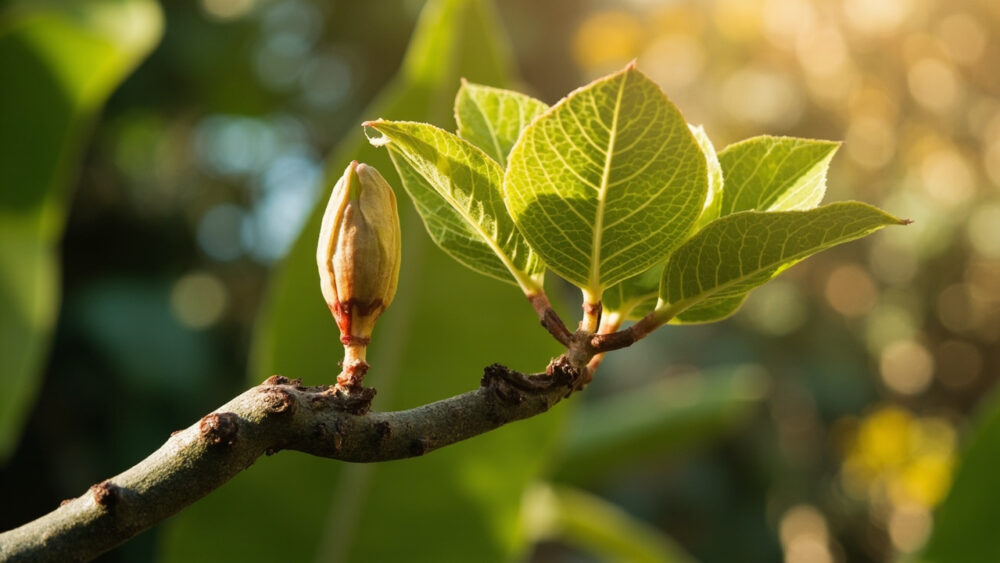
Check the branch tips specifically. A rounded, swollen tip means a bloom spike is likely coming. A pointed, narrow tip growing fast means the plant is in vegetative mode only.
Root and pot problems show consistent symptoms across the whole plant, weak new growth everywhere, not just missing flowers. Age and season issues are the only ones where the plant otherwise looks completely healthy.
Once you have matched your symptom, the real question is how long the fix takes to show results.
Will It Recover?
Sunlight, feeding, and dormancy fixes usually show results within one growing season, sometimes the same season if you catch it early enough in spring. Move a shaded plumeria into full sun in April and you can reasonably expect bloom spikes by mid to late summer.
Age-related non-blooming resolves on its own with time and good care, typically within one to two more growing seasons as the plant branches out.
Cold damage and root problems take longer, often a full year to fully recover, since the plant needs to rebuild both root mass and top growth before it has energy to spare for flowers.
The honest cut-your-losses point: a plumeria that has never bloomed after four or five full growing seasons of correct sun, feeding, and dormancy is unusual, and at that point it is worth checking whether you actually have a naturally shy-blooming variety rather than a care problem.
Getting it blooming once is only half the job, keeping it blooming every year is the other half.
How to Keep It From Happening Again
Sun is non-negotiable, so plan the plant’s permanent spot around your sunniest exposure, not your prettiest one.
Feed with a phosphorus and potassium forward formula through the growing season and taper off as fall approaches. Let the plant go properly dormant every winter, cool and nearly dry, no exceptions for houseplants brought inside.
Repot only when truly root bound, one size up at a time, and resist the urge to give it a huge pot hoping for faster growth.
Run through the checklist below any time bloom season arrives and your plumeria still is not cooperating.
Diagnosis Checklist
- Count the direct sun hours the plant actually gets today, and if it is under six hours, move it before checking anything else.
- Look at the trunk and branching, and if it is a single unbranched stem under two years old, the answer is simply time.
- Examine the branch tips, and if they are pointed and fast growing with no swelling, suspect too much nitrogen.
- Check recent nighttime temperatures, and if they have been under 60°F, warmth is your fix, not fertilizer.
- Pull the rootball and check for either loose soggy soil or tight circling roots, and correct the pot size accordingly.
- Recall last winter’s care, and if it stayed warm and watered with no rest period, plan a proper dormancy this year.
- Check the calendar against your local bloom window, and if you are early in the season, give it more weeks before worrying.
Most plumeria that refuse to bloom are simply asking for more sun and a real winter rest, nothing exotic about it.
Fix those two things first, and the flowers usually take care of themselves.