Norfolk Island pine needs bright, indirect to direct light for at least 4 to 6 hours a day, and most homes simply do not have enough of it. That is the honest starting point for norfolk island pine light requirements: this tree evolved on an open, sun-soaked island with nothing shading it, and a dim corner or a spot ten feet from the window is not going to cut it long term. It will tolerate lower light for a while, which is exactly what tricks people into thinking it is thriving there.
Here is the mistake that ruins most of these trees: the reader waits for brown, crispy needles before they believe there is a light problem. By then the damage on the lower branches is permanent. There is an earlier, quieter sign that shows up months before that, and almost nobody recognizes it for what it is.
There is also a seasonal trap that catches people who did everything right all summer, and a handful of placement fixes that solve this without a greenhouse or a grow light setup costing more than the tree did. Stick around for the save-able Norfolk Island Pine at a Glance card at the bottom, it has the exact hours, distances, and signs in one place.
How Much Light a Norfolk Island Pine Actually Needs
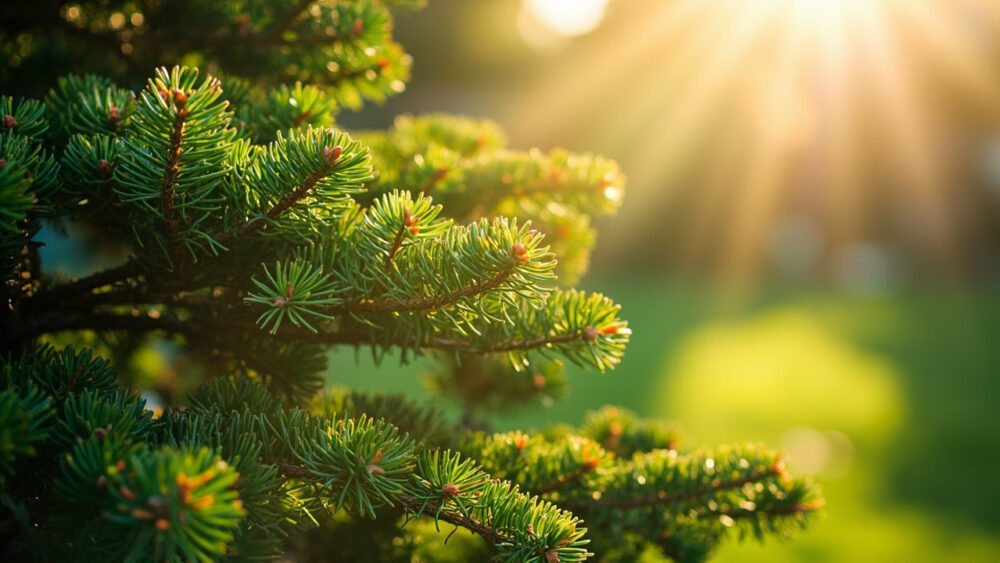
This is a full-sun to bright-light plant in its native habitat, and indoors that translates to needing the brightest spot in the room, not just a bright room. Aim for 4 to 6 hours of direct or very bright indirect light daily. A few hours of gentle morning sun followed by bright ambient light the rest of the day works well.
Low or medium light will not kill it fast. It will just slowly thin out, drop lower branches, and stretch toward whatever light it can find.
That slow decline is the part everyone underestimates.
What the Right Spot Actually Looks Like
If you guessed a north-facing window would do, that guess is where most of these trees start their decline. North light is too weak and too indirect for this species over the long haul, even though it feels bright to your eyes.
South or west-facing windows are the real answer, with the tree placed within 2 to 3 feet of the glass. An east window works too, especially if the tree gets several hours of direct morning sun before the light shifts. Outdoors in a sheltered spot, part sun to full sun suits it fine once temperatures are safely above 40°F.
Rotate the pot a quarter turn every week or two. Norfolk Island pines lean hard toward their light source, and an un-rotated tree develops a permanent lopsided lean that no amount of light fixes later.
Get the placement right and the next thing to watch for is what the needles are already telling you.
The Early Sign of Too Little Light Nobody Catches
Brown, dropping lower branches is the obvious, late sign of low light, and by the time you see it the branches are gone for good, they do not regrow. But there is an earlier tell: new growth that comes in thin, pale, and widely spaced, with longer gaps between each tier of branches than the growth below it. That stretched, leggy new growth is the tree visibly reaching for light it is not getting.
Catch that stage and a brighter spot can still turn things around. Miss it, and you are managing permanent bare branches instead of preventing them.
Too little light has a quiet warning sign, and too much light has its own set of clues that people misread just as often.
Signs of Too Much Light
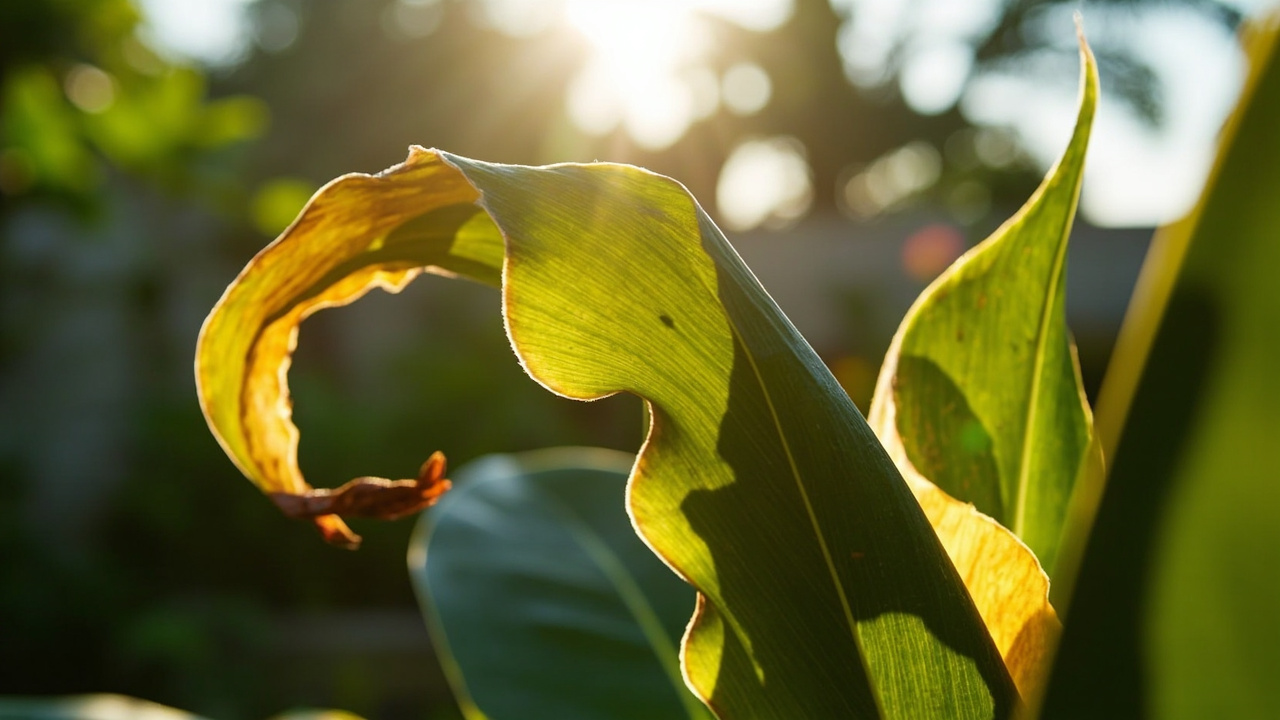
Norfolk Island pine can handle strong direct sun, but intense afternoon sun through unshaded glass, especially in summer, can scorch needles. Watch for needle tips turning brown, dry, or bleached-looking specifically on the side facing the glass, while the rest of the tree stays green. That is localized scorch, not a watering problem, and it will not spread if you pull the tree back 6 to 12 inches from the pane or add a sheer curtain during the hottest part of the day.
People often assume any browning means underwatering and respond by drenching the soil, which does nothing for scorch and can start root rot on top of it. Check the location and the pattern of the browning before you touch the watering can.
Light problems do not stay the same all year, and that is where a lot of well-intentioned owners lose ground without realizing it.
How Light Needs Shift With the Seasons
Here is the honest answer to the question this reader is probably about to ask: winter is when most Norfolk Island pines quietly decline, even indoors, even without a single obvious mistake. Days are shorter, the sun sits lower in the sky, and window glass itself blocks a meaningful amount of usable light. The same spot that was plenty bright in July can be genuinely inadequate by December.
Move the tree to your brightest available window for winter, ideally south-facing, and expect growth to slow down regardless. That slowdown is normal dormancy behavior, not a symptom to fix.
If you summered the tree outdoors, reintroduce it to indoor light gradually rather than dragging it straight from full sun to a dim living room overnight, the shock shows up as sudden needle drop within a couple weeks.
None of this means you need a sunroom, and the next section covers the fixes that work in an ordinary house.
Placement Fixes That Do Not Require a Greenhouse
You do not need a conservatory to keep this tree happy. A few practical moves close most of the gap:
- Move it closer to the glass: 2 to 3 feet from a south or west window beats 6 feet from any window.
- Add a full-spectrum grow light: run it 8 to 12 hours a day within a foot or two of the foliage if your brightest window still falls short, especially in winter.
- Clean the glass and the needles: dust on windows and on the tree itself blocks more light than most people assume.
- Rotate weekly: keeps growth even and prevents a permanent lean.
- Trim nearby obstructions: outdoor sheers, blinds left half-closed, or a tall plant crowding the window all cut into your light budget without you noticing.
Small, consistent changes like these usually beat one dramatic move to a new room.
With placement sorted, here is everything worth keeping in one place.
Norfolk Island Pine at a Glance
- Light needed: 4 to 6 hours of bright direct or very strong indirect light daily, more is generally better than less.
- Best window: south or west-facing, tree positioned 2 to 3 feet from the glass, east-facing works if it gets several hours of direct morning sun.
- Too little light looks like: pale, thin, widely spaced new growth first, followed later by permanent lower branch drop.
- Too much light looks like: brown or bleached needle tips only on the side facing the glass, a scorch pattern rather than an all-over problem.
- Seasonal shift: move to the brightest window available in winter, expect growth to slow, transition outdoor trees back indoors gradually.
- Easy fixes: move closer to glass, rotate weekly, clean dusty windows and foliage, add a grow light for 8 to 12 hours daily if natural light is weak.
- Outdoor tolerance: part sun to full sun once temperatures stay reliably above 40°F, hardy outdoors only in USDA zones 10 to 11.
If you remember one thing, remember this: watch the new growth, not just the old branches, because that is where a light problem shows up first and where it is still fixable.
Get the tree within a few feet of a bright south or west window, rotate it now and then, and it will hold its shape for years.