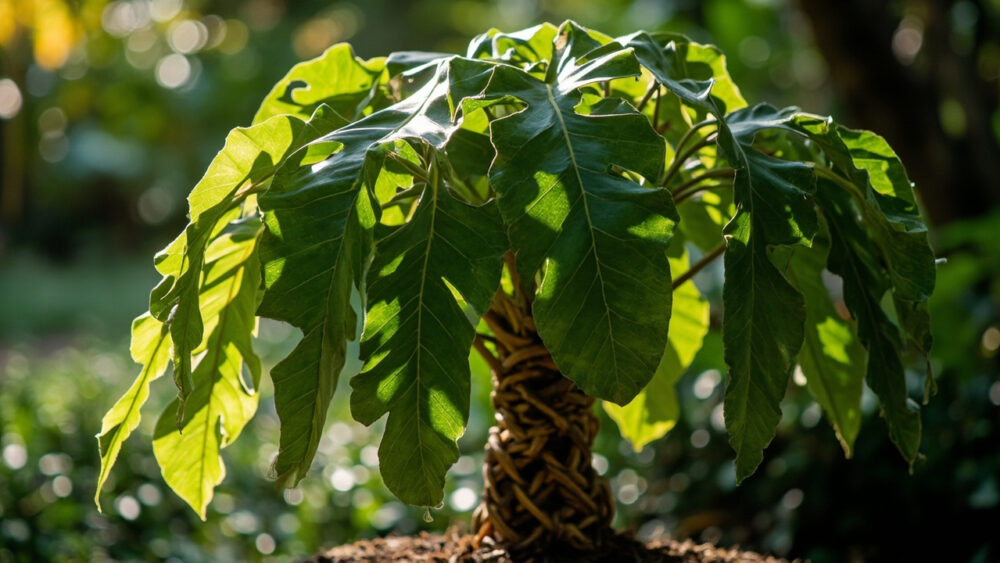
Money tree drooping almost always comes down to the roots, not the leaves you’re staring at. The most common cause by far is overwatering, either from watering too often or from a pot that never drains, and the fix is pulling the plant out, checking the roots, and resetting your watering habit before the leaves get any say in it. But that’s not the only cause, and guessing wrong here wastes weeks.
Everyone blames light first, dragging their drooping money tree to a sunnier window when light is rarely the actual problem. The real tell is somewhere else entirely: whether the drooping started at the bottom of the plant or the top, and whether the leaves feel soft and heavy or dry and papery.
That one detail is what tells you which of five or six causes you’re actually dealing with, and it changes your fix completely. Stick around for the tell-apart guide, an honest recovery outlook for each cause, and the two-minute diagnosis checklist saved for the very bottom.
Most to Least Likely Causes
1. Overwatering and root rot
Confirm it: slide the plant out of its pot. Roots should be firm and light tan to white. If they’re brown, black, mushy, or smell sour, this is your cause, especially if the soil has stayed wet for days and the pot has no drainage hole.
Drooping from root rot usually hits the whole plant at once, and leaves feel heavy and limp rather than dry.
Fix it: trim away any mushy roots with clean scissors, repot into fresh, fast-draining potting mix, and use a pot with a real drainage hole. Water only when the top 2 to 3 inches of soil are dry going forward.
Get the water right and most of the rest of this list stops mattering.
2. Underwatering and drought stress
Confirm it: check the soil 2 inches down with your finger. If it’s bone dry and the leaves feel dry, thin, or slightly crisp at the edges rather than mushy, the plant has simply run out of water.
This shows up fastest on the oldest, lowest leaves first.
Fix it: water thoroughly until it runs from the drainage holes, let the excess drain fully, and don’t let the pot sit in a saucer of standing water. Money trees like a proper soak followed by a real dry-down, not a sip every couple of days.
If the soil test doesn’t match either of those pictures, the cause is probably something environmental instead.
3. Low light
Confirm it: think about where the plant has lived for the past month or two. A spot more than a few feet from any window, or behind a sheer curtain that blocks most direct light, will slowly cause weak, drooping new growth and a leggy reach toward whatever light source exists.
This one is slow. It takes weeks to show up and weeks to fix, unlike watering problems that move fast in both directions.
Fix it: move the plant to bright, indirect light, near an east or west window is ideal. Avoid harsh, direct afternoon sun through glass, which can scorch leaves rather than perk them up.
Light problems are patient problems, and the next cause is the opposite: sudden and obvious.
4. Temperature shock or cold drafts
Confirm it: think about recent changes near the plant. A cold windowsill overnight, an air conditioning vent, an open door in winter, or a recent move from a warm greenhouse or store shelf to your house can all cause sudden, dramatic drooping within a day or two.
Leaves may droop and curl but often stay green rather than yellowing.
Fix it: relocate away from drafts, vents, and cold glass. Money trees are comfortable in the same range you are, roughly 65 to 80 F, and dislike swings below 50 F.
If nothing about the environment has changed recently, look closer at the pot itself.
5. Being rootbound or overdue for repotting
Confirm it: check if roots are circling the surface of the soil or poking out the drainage holes, and note how long it’s been since the last repot. Two or more years in the same pot is common for this to become the culprit.
Drooping here tends to come with slowed growth and soil that dries out unusually fast.
Fix it: repot into a container just 1 to 2 inches wider in diameter, not a drastically bigger one, using fresh well-draining mix. Going too large invites overwatering problems right back.
One more cause is worth ruling out before you settle on a diagnosis, and it’s the one people notice last.
6. Pests
Confirm it: look closely at stems, leaf undersides, and the points where leaves meet stems for spider mites, scale, or mealybugs, tiny cottony or shell-like bumps, fine webbing, or sticky residue on leaves.
Pest-driven drooping is usually localized to certain branches rather than the whole plant.
Fix it: isolate the plant, wipe down leaves, and treat with insecticidal soap or a horticultural oil, following the product label exactly. Repeat treatments are often needed since these pests hatch in waves.
With six real possibilities on the table, here’s how to line up the symptom in front of you with the right one.
How to Tell the Causes Apart
Where it starts matters most. Root rot and underwatering typically hit lower, older leaves first. Cold shock and pests are often patchy, hitting specific branches or leaves rather than the whole plant evenly.
Leaf feel is the second clue. Mushy, heavy, water-logged leaves point to overwatering. Dry, thin, papery leaves point to drought. Leaves that stay green but go limp overnight point to temperature shock.
Speed is the third clue. Root rot and drought both build over a week or more. Cold shock happens in a day or two. Low light and being rootbound build over months.
If you’ve matched your plant to a cause, the next honest question is how far back it can come.
Will It Recover?
Overwatering and root rot recover well if caught early, with new growth returning in 3 to 6 weeks after repotting. If more than half the root mass was rotted, the outlook is guarded, and severe cases sometimes don’t make it despite a full repot.
Underwatering almost always bounces back within days to a week once watered properly, as long as leaves haven’t gone fully crisp and brown.
Low light and cold shock both have good outlooks. Expect improvement over 2 to 4 weeks as the plant adjusts, though any leaves that dropped entirely won’t return, new ones will replace them.
Being rootbound resolves fully after repotting, usually within a month of new growth. Pest damage depends on how early you catch it, mild infestations recover fully, heavy infestations may cost you some leaves or stems even after treatment.
Whatever the prognosis, the real win is not needing this diagnosis again.
How to Keep It From Happening Again
Watering is where prevention pays off most. Check soil moisture with a finger before watering, every time, rather than sticking to a fixed schedule. Water thoroughly, then let the top 2 to 3 inches dry out before the next round.
Always use a pot with drainage, and dump any water that collects in the saucer within an hour.
Keep the plant in bright, indirect light year-round, and away from cold windowsills, heater vents, and drafty doors. Repot every 2 years or so into a pot only slightly larger than the last.
Inspect leaves and stems every few weeks while you’re watering anyway, catching pests early is far easier than treating an established infestation.
That habit loop is really the whole game, and now here’s the fast version you can run at the plant.
Diagnosis Checklist
- Feel the soil 2 inches down: if wet and leaves feel mushy, suspect overwatering or root rot, check the roots next.
- If soil is bone dry and leaves feel thin or crisp, suspect underwatering, water thoroughly and reassess in a day.
- Slide the plant from its pot: if roots are brown, black, or mushy and smell sour, confirm root rot, trim and repot into fresh, well-draining mix.
- Check the pot for a drainage hole: if there isn’t one, that alone may be the root cause, repot into a pot that drains.
- Note where the plant has sat for the past month: if it’s more than a few feet from a window, suspect low light, move it to bright, indirect light.
- Recall any recent cold drafts, vents, or moves: if drooping appeared within a day or two and leaves stayed green, suspect temperature shock, relocate away from the source.
- Check if roots circle the pot’s surface or poke through drainage holes: if so and it’s been 2 or more years since repotting, suspect rootbound growth, size up the pot by 1 to 2 inches.
- Inspect stems and leaf undersides for webbing, sticky residue, or small bumps: if found, treat for pests, following the product label exactly.
- Match the pattern: whole-plant and mushy points to water, lower-leaves-only and dry points to drought, sudden and green points to cold, slow and leggy points to light.
Most drooping money trees are telling you a water story, not a light story.
Fix the roots first, and the leaves usually follow.