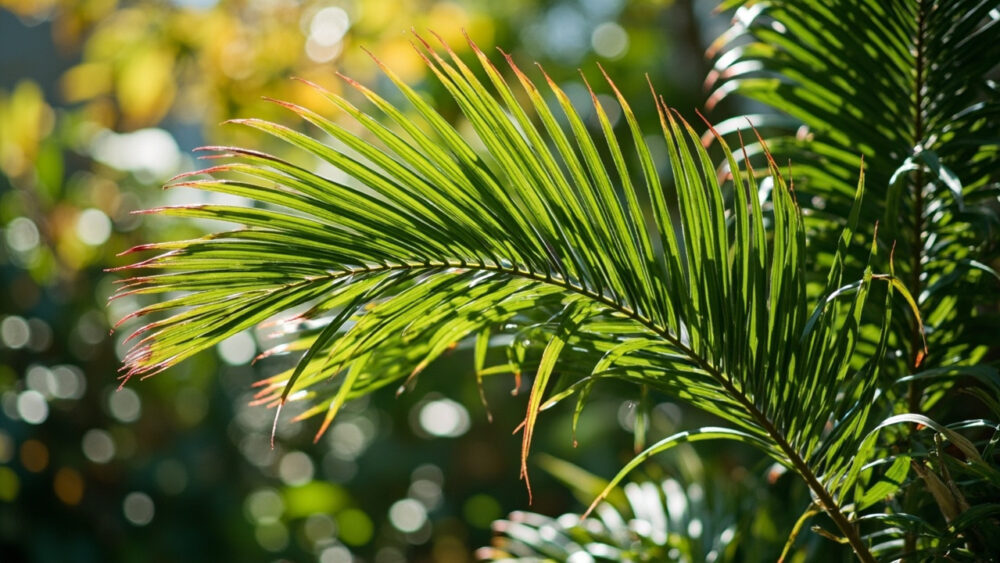
The most common reason a majesty palm droops is uneven watering, usually letting the soil go bone dry between waterings. This palm wants consistently moist soil, not the dry-then-flood cycle most houseplants tolerate fine. The fix is a schedule that keeps the top few inches damp at all times, not soaked, not dry, just steadily moist.
Everyone’s first instinct is to blame low humidity, and while majesty palms do like humidity, it is rarely the actual cause of sudden drooping. The real culprit is usually hiding in the roots or the watering habit, not the air. There is also one detail on the plant itself, where the drooping starts and which fronds it hits first, that tells you almost exactly which of the causes below you are dealing with.
And yes, some of these plants bounce back completely while others are already past saving, so I will give you the honest read on that too. Stick with me through the causes and the tell-apart section, because the save-able two-minute diagnosis checklist is waiting at the very bottom.
Causes of a Drooping Majesty Palm, Most to Least Likely
1. Inconsistent watering, especially letting it dry out
Confirm it: stick a finger 2 inches into the soil. If it is dry at that depth, or if you can remember the pot going fully dry in the last week or two, this is almost certainly it.
Majesty palms have fine, shallow-ish roots that do not store water well and sulk fast when the soil dries out completely.
Fix it: water thoroughly whenever the top inch or two feels barely damp, not after it has gone dry. In most homes that is every 5 to 7 days, more often near heat vents or in bright light.
Fronds usually perk back up within 3 to 5 days once the watering rhythm is corrected.
2. Overwatering and root rot
Confirm it: pull the plant slightly or check the pot’s weight. Soil that stays soggy for days, a sour or swampy smell, or dark, mushy roots when you tip the pot out all point here.
This is the one people miss because they assume drooping always means thirst, so they water more and make it worse.
Fix it: stop watering until the top 2 to 3 inches dry out. If roots are visibly brown, mushy, and slipping off in your hand, trim the dead ones with clean shears and repot into fresh, fast-draining mix.
Always make sure the pot actually has a drainage hole, this palm does not tolerate standing water.
3. Low light
Confirm it: think about where the pot has been sitting. If it is more than a few feet from a bright window, or behind sheer curtains all day, low light is a likely contributor.
Fronds in low light droop and reach, and new growth comes in thin and pale.
Fix it: move it to bright, indirect light, close to an east or west window, or a few feet back from a south-facing one. Rotate the pot a quarter turn every week or two so growth stays even.
Light fixes take weeks, not days, so patience matters here.
4. Temperature stress or cold drafts
Confirm it: check for nearby drafty windows, doors, or air conditioning vents. Majesty palms sulk below about 55°F and hate sudden temperature swings.
Drooping from cold stress often shows up within a day or two of a cold snap or a chilly car ride home from the nursery.
Fix it: move it away from drafts and cold glass, and keep it somewhere that stays reliably between 65°F and 80°F. If cold damage is severe, expect some fronds to yellow and die back even after you fix the temperature.
Once the plant is warm and stable again, watch the newest growth for signs it has resumed normal shape.
5. Low humidity
Confirm it: if your home sits below 40% humidity, especially in winter with the heat running, and the tips of the fronds look dry and crispy rather than just limp, humidity is playing a role.
This is real, but it is almost always a secondary stressor riding along with a watering problem, not a standalone cause of full-plant droop.
Fix it: group it with other plants, run a humidifier nearby, or set the pot on a pebble tray with water below the pot’s base. Misting helps briefly but does not move the needle much on its own.
If humidity was the only issue, you will see improvement in new growth over the following month.
6. Underlying pest problem
Confirm it: check the undersides of fronds and along the leaf spine for tiny webbing, sticky residue, or small brown bumps. Spider mites and scale are the usual suspects on majesty palms, especially in dry indoor air.
Pest damage tends to show up as stippled, dull, or yellowing fronds alongside the droop, not droop alone.
Fix it: wipe down fronds with a damp cloth, isolate the plant, and treat with insecticidal soap or horticultural oil, following the product label exactly. Repeat treatments are usually necessary a week or two apart to catch newly hatched pests.
Pests rarely cause droop on their own, so keep checking watering and light even after you treat them.
How to Tell the Causes Apart
Where the droop starts matters most. Bottom, older fronds going soft and yellow first usually points to overwatering or root rot. New growth drooping while older fronds look fine points more toward underwatering, cold stress, or low light.
Uniform droop across the whole plant, with dry soil, is classic underwatering. Uniform droop with wet, heavy soil is classic overwatering.
Crispy brown tips with otherwise upright fronds is humidity, not droop at all, though people often describe it the same way.
Stippled or webby fronds alongside droop means check for pests before you touch the watering can.
Once you know where the symptom started, the next question is simple: how bad is the damage, and can this frond, or this plant, actually come back.
Will It Recover?
Underwatering has the best odds. Fronds usually firm back up within days once watering is consistent, and only the worst-affected leaf tips stay damaged permanently.
Overwatering and root rot depend entirely on how far the rot has spread. Catch it with just a few soft roots and a repot into fresh soil usually saves the plant. Catch it with a mushy, blackened root ball and a sour smell throughout, and you are often better off taking healthy top growth as a lesson learned rather than fighting a losing battle.
Low light and temperature stress recover well once conditions improve, but existing droopy fronds rarely un-droop. New growth will look normal again over the following weeks.
Humidity and pest issues resolve steadily once addressed, with visible improvement in a month or so of new growth.
In every case, a frond that has already turned brown and crisp is not coming back, so trim those off and focus your hope on new growth instead.
How to Keep It From Happening Again
Build a watering rhythm instead of a schedule. Check the soil with a finger every few days and water when the top inch or two feels barely damp, rather than watering on autopilot every Sunday.
Use a pot with a drainage hole and a mix that drains well but holds some moisture, like a standard potting mix with a bit of perlite added.
Keep it in bright, indirect light year-round, and keep it away from cold windows, exterior doors, and heat or AC vents.
Run a humidifier nearby in dry winter months, and wipe down fronds occasionally so you catch pests before they spread.
Get those four habits right and most majesty palm trouble simply stops showing up, but when it does, here is the two-minute checklist to run right at the plant.
Diagnosis Checklist
- Check the soil 2 inches down: if dry, suspect underwatering, if wet and heavy for days, suspect overwatering.
- Smell the soil: a sour or swampy smell means check the roots for rot right now.
- Tip the pot and inspect roots if rot is suspected: firm and white or tan is healthy, mushy and brown or black is rot.
- Note where the droop started: older bottom fronds points to rot, new growth points to underwatering, cold, or low light.
- Check the plant’s location: within a few feet of a bright window is fine, further back or behind sheers means low light is a factor.
- Check for drafts: cold windows, exterior doors, and vents nearby all point to temperature stress.
- Check frond tips: crispy and brown with otherwise upright growth points to low humidity, not true droop.
- Flip a few fronds over and inspect closely: webbing, sticky spots, or small bumps mean check for pests before changing your watering routine.
- Match your findings to the matching cause above and apply that fix only, resist the urge to change five things at once.
Save that checklist, because most majesty palm droops trace back to one of the first two causes, and a few minutes of honest inspection will tell you which.
Fix the actual cause instead of guessing, and this palm rewards you with fast, visible improvement.