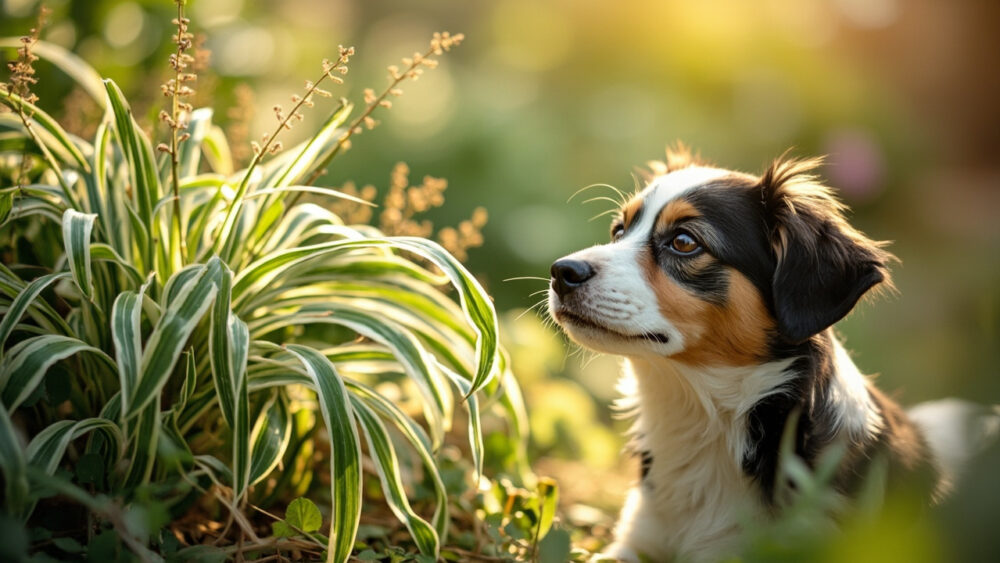
Here is the short version: no, spider plant is not considered toxic to dogs. The ASPCA lists it as non-toxic to dogs and cats. That said, “non-toxic” and “harmless to eat a whole pot of” are two different things, and there are a few honest wrinkles to the answer that most quick searches skip.
Some dogs still get an upset stomach from spider plant, there is a mildly odd behavioral reaction some cats and dogs show after chewing it, and the plant itself can look enough like other houseplants that people relax about the wrong one. So this is not just a yes-or-no page.
Stick with me through the sections below and you will know exactly what to watch for, what actually happens if your dog chews a leaf, and what to do about it. Save the quick-reference card at the bottom for the next time you are staring at a chewed-up plant and can’t remember the details.
The Plain Answer: Spider Plant Is Non-Toxic
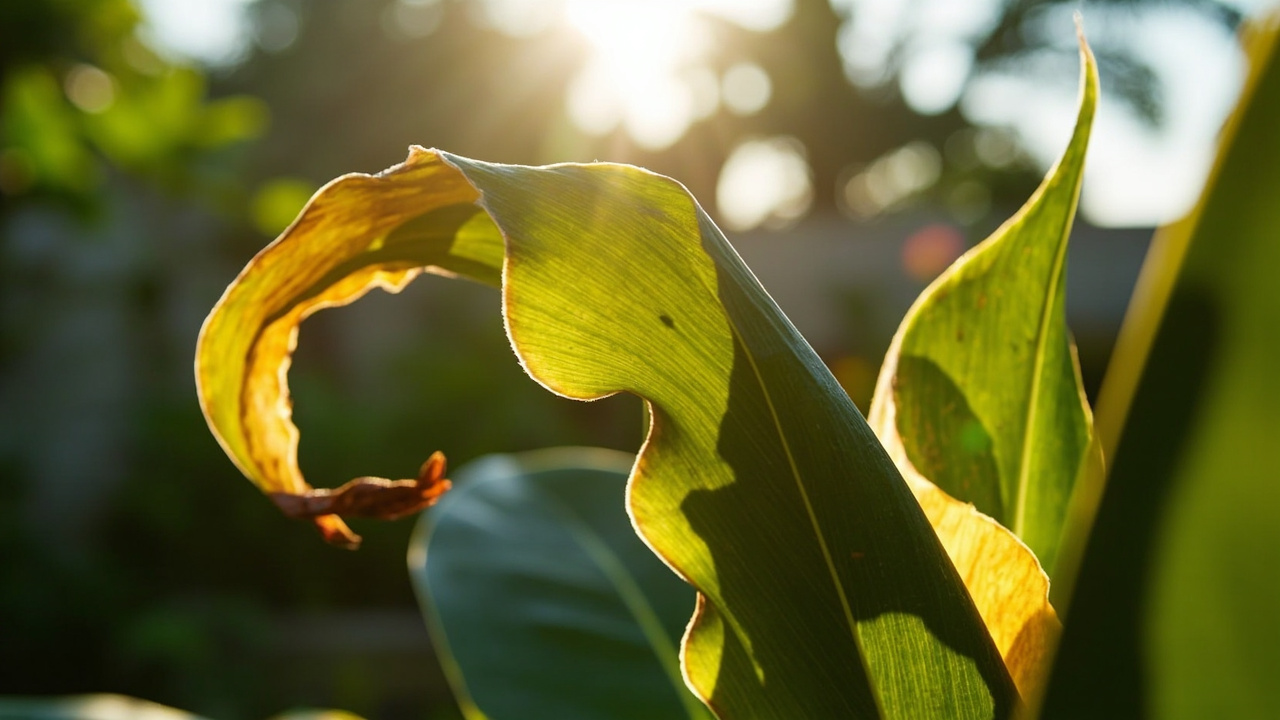
Spider plant (Chlorophytum comosum) does not contain the compounds that cause serious poisoning in dogs. It is not in the same category as sago palm, lilies, or azalea, all of which can cause organ damage or worse.
Veterinary toxicology references classify it as non-toxic, meaning it is not expected to cause life-threatening illness even with a reasonable amount of ingestion.
That is genuinely good news if you have a chewer, but “non-toxic” still comes with a catch worth knowing.
Why Dogs Still Get Sick From It Anyway
Spider plant contains mild compounds that can irritate a dog’s digestive tract, and the fibrous leaves themselves are rough on a stomach that is not built to process plant matter in bulk.
The amount matters more than the plant. A dog that nibbles one leaf tip is very different from a dog that shreds and swallows half a hanging basket.
There is also a persistent claim that spider plant has a mild hallucinogenic or catnip-like effect on cats, and occasionally dogs, tied to compounds chemically similar to opioid alkaloids found in the plant. The evidence for this is thin and mostly anecdotal, but it explains why some pets get oddly obsessed with chewing this particular plant over others.
Knowing why matters less than knowing what it actually looks like when it happens.
Signs to Watch For After Ingestion
Most reactions to spider plant are mild and pass on their own. Still, know what to look for so you can tell mild from something else going on.
- Vomiting, usually within a few hours of chewing
- Loose stool or mild diarrhea
- Drooling or lip-licking from the plant’s fibrous texture
- Unusual agitation, restlessness, or dilated pupils, most often reported in cats but occasionally in dogs
- Reduced appetite for a meal or two
None of these are emergencies on their own if they are mild and short-lived. But “mild reaction to a non-toxic plant” and “something else is actually wrong” can look alike at first.
That is exactly why the next section matters, even for a plant this low-risk.
What To Actually Do If Your Dog Ate It
If you catch your dog eating spider plant, do not panic, but do not just shrug it off either. Note how much they ate and how long ago, and note whether the piece they swallowed was leaf, stem, or a chunk of root.
Call your veterinarian or an animal poison control line if your dog seems unwell, vomits repeatedly, seems lethargic, or if you are simply unsure how much they ingested. This is true even for a plant considered non-toxic, because individual dogs react differently and other underlying issues can complicate the picture.
Bring or describe the plant if you can, ideally a photo or the actual leaf, since misidentifying a look-alike plant is a real risk in a mixed houseplant collection.
Do not give home remedies, induce vomiting, or wait to “see how it goes” if your dog is showing more than mild, brief symptoms. Let a vet make that call.
If everything checks out fine, it is worth thinking about what else is sharing shelf space with that spider plant.
Safer Look-Alikes and Companions Worth Growing
Part of what makes spider plant a good pick for pet owners is that it is genuinely one of the safer trailing houseplants out there. If you want more of that same low-drama, dog-friendly look, a few others belong on the shortlist.
- Areca palm: non-toxic, adds height and texture without the risk of true palms like sago
- Boston fern: non-toxic, similar trailing habit, likes more humidity than spider plant
- Calathea varieties: non-toxic, showier foliage for the same safety profile
- Haworthia: non-toxic succulent alternative if you want something low-water
Plants to avoid if you have a chewer include pothos, philodendron, snake plant, and any true lily, all of which are genuinely toxic in varying degrees and far riskier than spider plant.
Now here is everything from above, condensed into the version you can actually save.
Spider Plant: Quick Reference
- Core answer: spider plant (Chlorophytum comosum) is classified as non-toxic to dogs and cats by the ASPCA
- What can still happen: mild vomiting, diarrhea, or drooling from the fibrous texture, especially with larger amounts chewed
- Unusual reaction: some cats and occasionally dogs act briefly agitated or “high” after chewing it, likely tied to mild alkaloid compounds in the plant
- When to call the vet: any repeated vomiting, lethargy, large ingested amount, or uncertainty about what and how much your dog ate
- What to bring to that call: the amount eaten, time since ingestion, and a photo or sample of the actual plant
- Never do: give home remedies, induce vomiting, or wait out symptoms that go beyond mild and brief
- Safer swaps if you want variety: areca palm, Boston fern, calathea, haworthia
Spider plant earned its reputation as a pet-friendly houseplant honestly. Keep this card handy, and let your vet handle anything beyond a curious nibble.