Learning how to care for phalaenopsis orchid comes down to four things it cannot live without: bright but indirect light, a thorough soak followed by real drying time, chunky bark-based mix instead of potting soil, and temperatures that stay above 60°F. Get those right and the plant will rebloom for years. Get the watering wrong and you will not get a warning, you will get a dead orchid with roots that look fine right up until they are mush.
Here is what trips up almost everyone. The plant that looks thirsty is usually overwatered, not underwatered, and by the time the leaves show it, the root damage already happened weeks ago. There is also a rebloom myth that costs people years of flowerless plants, and a sign of “thriving” that has nothing to do with flowers at all.
Stick with me through the sections below and I will walk through light, watering, feeding, the repotting schedule nobody tells you about, and the problems that actually kill these plants versus the ones that just look scary. Save-able specifics are waiting in the Phalaenopsis Orchid at a Glance card at the very bottom, but the reasoning behind each number is worth reading first.
Light and Placement: Bright Shade, Not a Sunny Windowsill
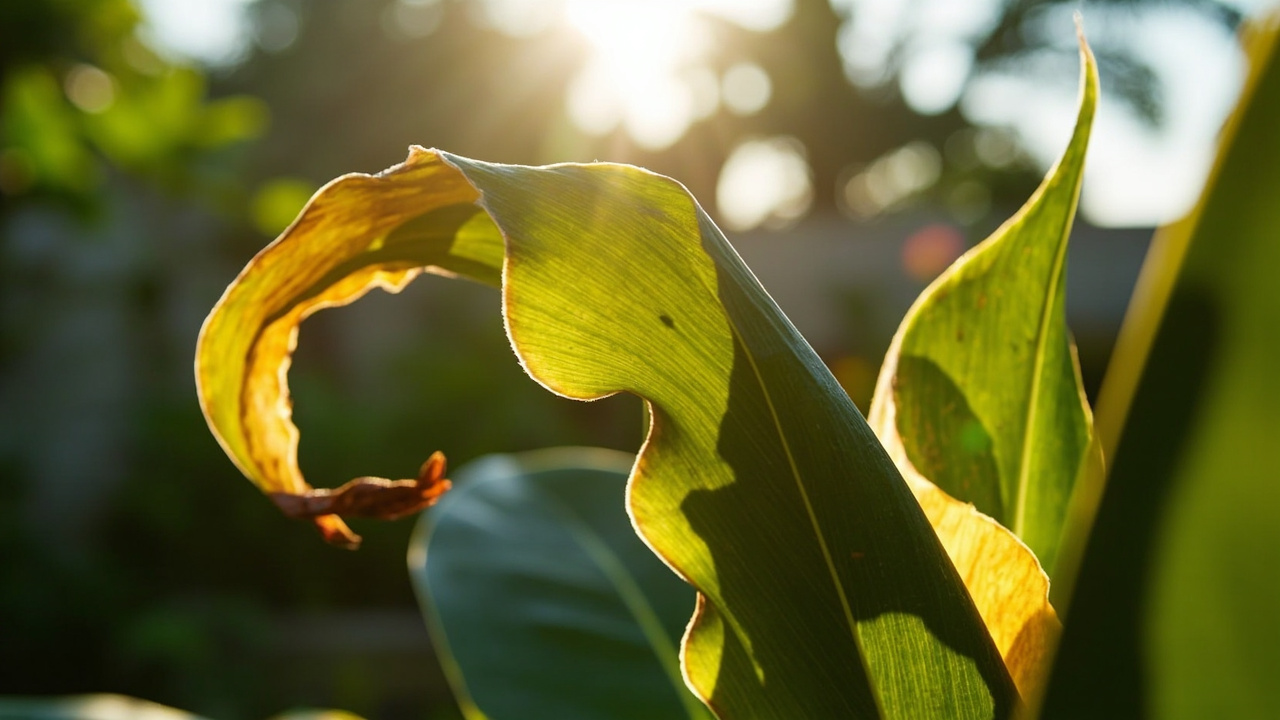
Phalaenopsis wants bright, indirect light, the kind you get a few feet back from an east or north window, or filtered through a sheer curtain in a south or west window. Direct midday sun will scorch the leaves with a bleached, papery patch that never turns green again.
Leaf color tells you almost everything. Healthy leaves are a medium olive green. Dark, glossy green leaves mean not enough light, and the plant will refuse to rebloom even though it looks perfectly healthy.
Keep it away from cold glass in winter and away from heating vents year round. These orchids like a steady 65 to 80°F by day and appreciate a 10 to 15 degree drop at night, especially in fall, since that swing is what triggers flower spikes.
Placement solves more problems than any fertilizer ever will.
Watering Phalaenopsis: The Mistake That Kills Almost Every One
If you assumed limp, wrinkled leaves mean the plant needs more water, that guess is exactly what kills most phalaenopsis. Wrinkled leaves usually mean the roots have already rotted from too much water and can no longer take up any at all.
Water thoroughly, then let the mix go almost completely dry before watering againtypically every 7 to 10 days, longer in winter. Run water through the pot at the sink until it drains freely, then let it sit for a few minutes and dump any water pooled in the saucer or the decorative outer pot. Standing water in the bottom is the single most common way these plants die.
Check by feel, not by calendar. Stick a finger an inch into the bark, or lift the pot: light and dry means water now, still heavy means wait a few more days.
Healthy roots are firm and green or silvery white when dry. Roots gone brown, hollow, and mushy are dead and will not recover; if most of the root system looks like that, the plant is in real trouble and needs an emergency repot into fresh, dry mix just to have a chance.
Get the roots right and the leaves take care of themselves.
Potting Mix and Feeding: Why Regular Soil Is a Death Sentence
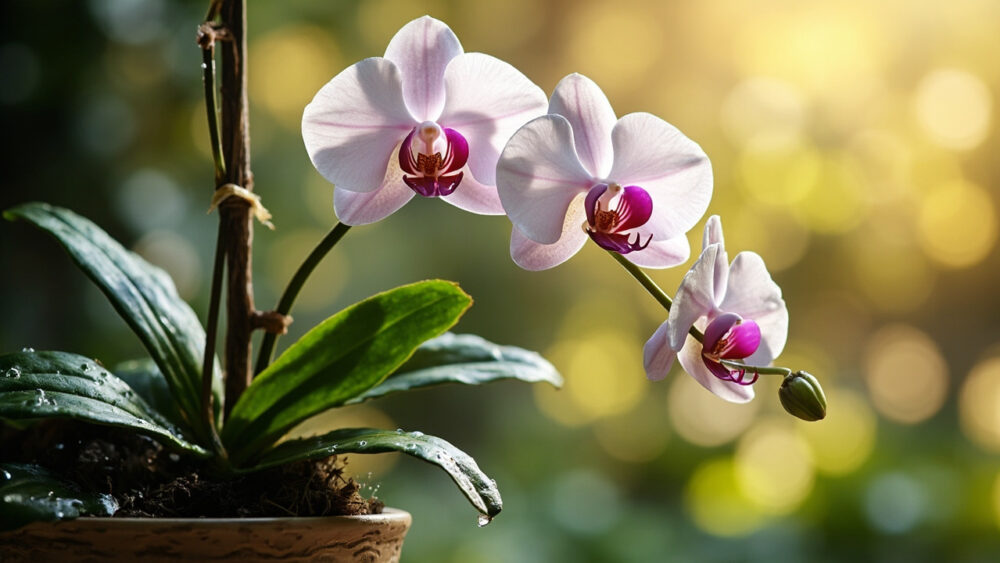
Phalaenopsis roots need air. They grow on trees in the wild, not in the ground, so packing them into dense potting soil suffocates them within weeks. Use a coarse orchid mix of fir bark, perlite, and sometimes sphagnum moss or charcoal, in a pot with generous drainage holes.
Clear plastic orchid pots are genuinely useful here, not a gimmick, because they let you see root color and moisture without digging around.
Feed lightly and often rather than heavily and rarely. A quarter to half strength balanced liquid orchid fertilizer every other watering during active growth, spring through early fall, is plenty. Skip feeding in winter or when the plant is in bloom, since it is not pushing new growth then and excess fertilizer just builds up as salt in the mix.
Next comes the maintenance schedule that decides whether this plant reblooms at all.
Repotting, Pruning, and the Rebloom Timing Nobody Explains
Repot every 1 to 2 years, or the moment the bark breaks down into dark, mushy, compost-like bits instead of staying chunky. Old, broken-down mix holds too much moisture against the roots and is a slow-motion cause of rot.
Bump up only one pot size, since phalaenopsis actually prefers being a little snug. Best time to repot is right after flowering finishes, while the plant is heading into active root growth rather than in the middle of a bloom cycle.
What to do with a spent flower spike
Here is the part most people get backward. The instinct is to cut the flower spike all the way down the moment the last bloom drops, but that is not always the right move.
If the spike is still green, cut it back to just above a node a few inches from the base; it may send out a side shoot and rebloom in a couple of months. If the spike has turned yellow or brown, cut it off at the base instead, because a dead spike will not produce more flowers and is just using the plant’s energy.
Wipe leaves occasionally with a damp cloth to keep dust off and let them photosynthesize properly, and always use clean, sharp scissors on any cut to avoid spreading disease between plants.
Handled this way, most phalaenopsis rebloom once or twice a year without ever needing a “rest period” gimmick.
Problems That Actually Show Up: Rot, Scale, and Bud Blast
The scariest-looking problem is usually cosmetic, and the quiet one is usually serious. Here is how to tell them apart.
- Root rot: brown, hollow, mushy roots and a wobbly plant in the pot. Caused almost always by overwatering or old, soggy mix. Unpot, trim away dead roots with clean scissors, and repot into fresh dry bark.
- Bud blast: buds that yellow and drop before opening, usually from a sudden temperature swing, a cold draft, or being moved right as buds were forming. Nothing to fix except giving the next spike a stable spot.
- Scale or mealybugs: small brown bumps or cottony white spots on leaves and stems, sap feeders that weaken the plant over time. Wipe them off with a damp cloth or cotton swab dipped in isopropyl alcohol, and for a bigger infestation follow the label directions on an insecticidal soap.
- Crown rot: mushy, discolored tissue right where the leaves meet at the center, usually from water sitting in the crown after watering. Tip the plant sideways when you water so the crown stays dry, and if caught early it can be blotted out with a paper towel.
Most of these trace back to water sitting where it should not, which is worth remembering every single time you water.
What Genuinely Thriving Looks Like
Flowers are not actually the best sign of health, which surprises most people. A phalaenopsis can rebloom on a weakening plant for a season or two before it runs out of reserves.
The real signal is new leaf growtha fresh leaf emerging from the center that is slightly lighter green than the older ones, plus firm green or silvery roots visible through the pot or above the mix. New root tips showing bright green growing points are a particularly good sign.
A thriving plant also holds its leaves upright and slightly arched, not flat and floppy, and does not drop lower leaves faster than it grows new ones. One or two older leaves yellowing and dropping a year is normal aging, not a problem.
Everything above boils down to a handful of numbers worth keeping close by, so here they are in one place.
Phalaenopsis Orchid at a Glance
- Light: bright, indirect light near an east or north window, or a filtered south or west window, never direct midday sun.
- Temperature: 65 to 80°F by day, with a 10 to 15 degree nighttime drop in fall to help trigger blooming.
- Watering: soak thoroughly and drain fully, then wait until the mix is nearly dry, typically every 7 to 10 days.
- Potting mix: coarse fir bark and perlite blend in a well-draining pot, never regular potting soil.
- Feeding: quarter to half strength balanced orchid fertilizer every other watering during spring through early fall, skip in winter and while blooming.
- Repotting: every 1 to 2 years, right after flowering, moving up only one pot size.
- Healthy signs: firm green or silvery roots, upright arched leaves, and new leaf growth from the center.
If you remember one thing, remember this: dry the roots out between waterings and give bright shade instead of direct sun. Everything else on this page is just detail in service of that one habit.