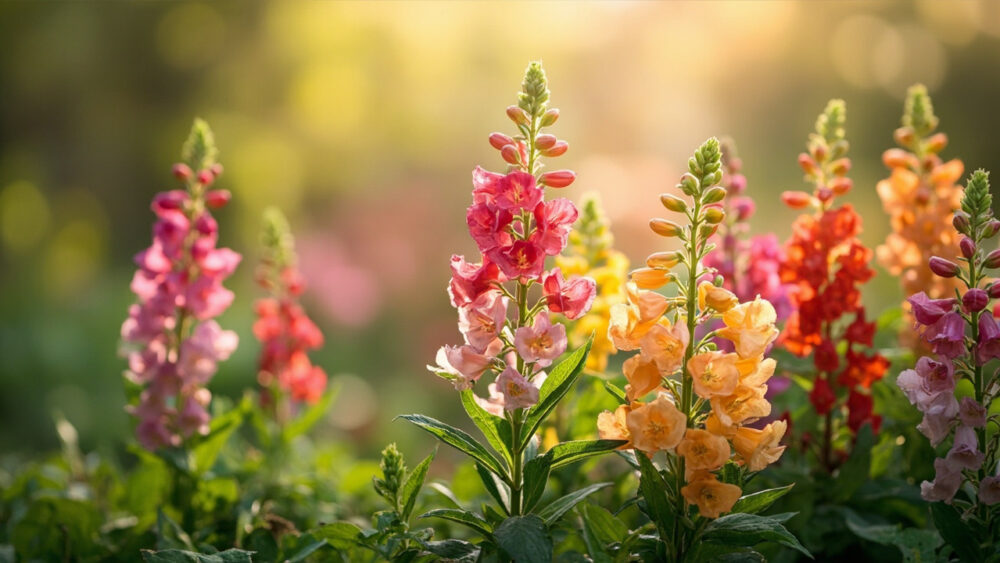
Snapdragons are technically short-lived perennials, but in most yards they behave like annuals and won’t reliably return next season. They’re only truly perennial in USDA zones 7 through 10, where mild winters let the roots survive. Everywhere colder, a hard freeze kills the plant outright, root and all.
But that’s not the whole story, and the fine print here actually matters. Your zone, your winter, and even the spot in your yard can flip this answer completely.
Below I’ll walk through how to tell what’s going to happen in your specific garden, how to actually get a snapdragon to come back if you’re on the borderline, and when you’re better off just treating them as annuals and moving on. There’s a save-able quick reference card at the bottom that sums up the whole thing.
The Honest Answer, By Zone
In zones 7 to 10, snapdragons often survive winter and return in spring, sometimes even reseeding themselves in nearby soil. In zones 8 and 9 especially, established plants can come back for two or three years before they get woody and stop blooming as well.
In zones 3 to 6, winter temperatures drop low enough, long enough, to kill the roots. These are grown as annuals, full stop. No amount of mulch changes that math once the ground freezes solid for weeks.
Zone 6 is the real gray area. A mild winter with good snow cover can let some plants limp through. A typical zone 6 winter kills them. This is exactly why so many gardeners get inconsistent results from the same variety two years in a row.
Your zone gives you the odds, but your own yard tells you the truth.
What Actually Happens Over Winter
If you’re in a marginal zone, don’t guess. Check the base of the plant, right where it meets the soil.
A snapdragon that’s coming back will show new green growth low at the crown, usually as the soil warms in early to mid spring. The old top growth will look dead, brown, and crispy, and that’s normal, it dies back every winter even where the plant survives.
A snapdragon that’s gone stays bare at the crown with no green anywhere, and the roots underneath will be mushy, blackened, or simply gone when you tug gently on the stem. If you’re not sure by six weeks after your last frost, it’s not coming back.
Microclimate matters more than the zone map suggests. A plant against a south-facing wall or in a raised bed with sharp drainage can survive a winter that kills its siblings ten feet away in a low, wet spot.
So how much can you actually influence that outcome?
How to Help Them Overwinter
If you’re in zone 6 or 7 and want to improve the odds, a few things genuinely help.
- Mulch heavily after the first hard frost, 2 to 3 inches of straw or shredded leaves over the crown, to insulate roots from freeze-thaw cycles.
- Cut plants back to 3 to 4 inches once they die back, rather than leaving tall dead stems that trap moisture and invite rot.
- Skip fall fertilizing. Feeding late in the season pushes soft new growth that has no time to toughen up before cold hits.
- Improve drainage if your bed stays soggy in winter. Wet roots freeze and rot far faster than dry ones.
None of this works miracles in zone 4. Mulch buys you a few degrees of insulation, not a new climate.
If your winters are genuinely brutal, there’s a better use of your energy, and it’s next.
When Treating Them as Annuals Is Just Smarter
If you garden in zone 6 or colder, stop trying to overwinter snapdragons and start treating them like the reliable annual color they actually are. This isn’t giving up, it’s working with the plant instead of against it.
Snapdragons bloom fastest and heaviest in cool weather anyway, spring and fall, and they often stall out or go leggy in peak summer heat. Buying or starting fresh plants each year gives you full, vigorous blooms right when you want them, instead of a tired, half-dead survivor putting out a few sparse flowers.
Many gardeners even in zones 8 to 10 replant every year or two for this exact reason: fresh plants simply outperform old, woody ones.
The workaround for more flowers without buying new plants annually is letting a few spent blooms go to seed in fall. Snapdragons self-sow readily in mild climates, and you’ll often get volunteer seedlings popping up on their own next spring, which is functionally the same as the plant “coming back” even if the original roots didn’t survive.
That seed trick is the closest thing to a free lunch this plant offers.
Snapdragons: Quick Reference
- Core answer: snapdragons are short-lived perennials in zones 7 to 10, but grown and killed off as annuals in zones 3 to 6.
- Zone 6 to 7: the gray zone, survival depends on winter severity, mulch, and drainage, results vary year to year.
- Sign they survived: new green growth at the base of the crown, usually a few weeks after your last frost.
- Sign they didn’t: bare crown, mushy or blackened roots, no green by six weeks post-frost.
- How to help them return: mulch 2 to 3 inches after first hard frost, cut back to 3 to 4 inches, skip fall fertilizer, keep roots well drained.
- Best strategy in cold climates: treat as an annual, replant each year, or let a few blooms go to seed for volunteer seedlings.
Save this card, and next spring you’ll know in one glance whether to wait or replant.
Either way, you’re getting flowers, just on slightly different terms depending on where you garden.