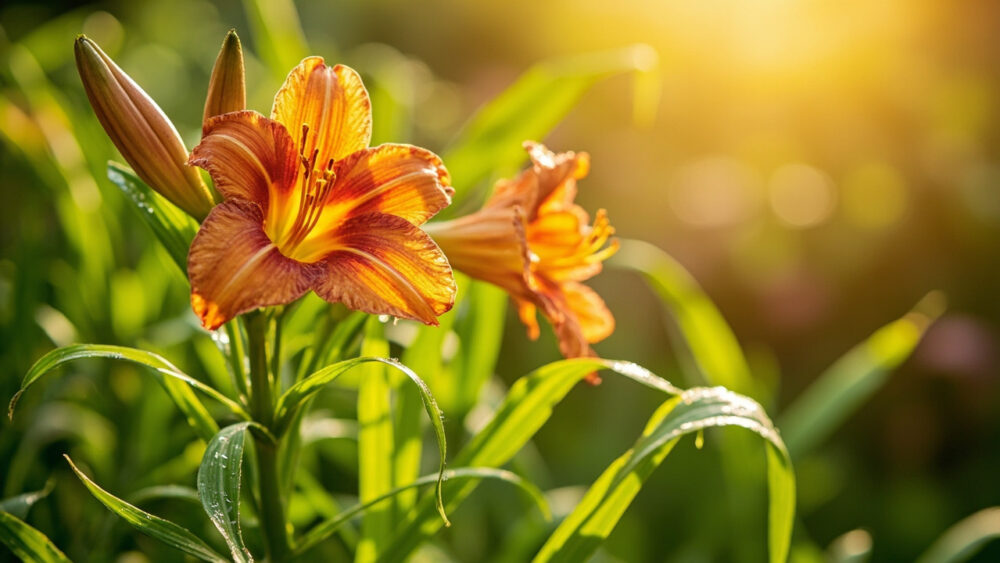
Yes, daylilies come back every year. They are one of the toughest perennials you can plant, reliably hardy in USDA zones 3 through 9, and a healthy clump will return bigger and bloom more heavily each spring for years without you doing much of anything.
But “every year” hides some real variation. How your daylily comes back depends on your zone, whether it’s in the ground or a pot, and whether you divide it before the clump gets congested and stops blooming well.
There’s also a sign a lot of first-year growers misread as the plant dying when it’s actually just doing exactly what it’s supposed to do. Stick around for the quick-reference card at the bottom, it’s the save-this version of everything below.
The Plain Answer, and Where It Changes
In the ground, in zones 3 through 9, a daylily is a true perennial. The foliage dies back to the ground after a hard frost, the roots survive the winter, and new leaf fans push up again in spring without any replanting from you.
The zone question matters less than people expect. Daylilies are genuinely one of the most cold-hardy and heat-tolerant perennials sold, which is why they show up in nearly every climate from Minnesota to Florida.
The real exceptions are containers left outside over a hard winter and a small number of tropical or near-evergreen daylily types grown well outside their comfort zone, both covered below.
Next up: what your plant is actually doing all winter, because it looks like nothing and it isn’t.
What Happens Over Winter
After the first hard frost, daylily foliage turns yellow, then brown, then collapses into a mushy mat at soil level. If you assumed that mess means the plant died, that guess causes more people to yank out perfectly healthy daylilies than any pest ever has.
That dieback is normal and expected. The energy the leaves made all summer already moved down into the fleshy root system, which is where the plant actually survives.
Cut the dead foliage back to a couple inches once it’s fully browned, or leave it as winter mulch and clean it up in early spring, either works fine.
Come spring, you’re watching the soil for a very specific green signal.
What to Expect Next Season
New leaf fans push up through the soil surprisingly early, often several weeks before your last frost, tolerating a light freeze without damage. That early green is the clump telling you it made it through fine.
Bloom size and count usually improve for the first three to four years as the clump fills in, then plateau. After that, a crowded clump often blooms less even though the foliage looks lush, which is the plant asking to be divided, not a sign of decline.
First-year transplants sometimes skip blooming entirely or bloom lightly while they establish roots. That’s normal, not a failure on your part.
Whether that comeback is automatic or needs your help depends on one thing: is this plant in the ground or in a pot.
Helping It Return: Ground vs. Containers
In garden soil, daylilies mostly take care of themselves. Water during dry spells the first year to establish roots, then let established clumps ride out normal weather with minimal fuss. A light layer of mulch in colder zones (3 to 5) protects against hard freeze-thaw cycles that can heave roots up out of the soil.
Containers are the real risk. Pot soil freezes solid much faster and deeper than ground soil, and a hard freeze can kill roots that would have survived fine in the earth.
If yours is in a pot
- Move it into an unheated garage, shed, or against a sheltered wall for winter.
- Or sink the whole pot into the ground up to its rim before the ground freezes.
- Water sparingly through winter, just enough that the roots don’t fully dry out.
Skip that step in a cold zone and you may be starting over with a new plant, which brings up when that’s actually the smarter choice.
When Treating It Like an Annual Actually Makes Sense
Most gardeners never need to think of daylilies as anything but permanent. But there are honest cases where replacing rather than overwintering is the better call.
Tender and evergreen-type daylily cultivars pushed well outside their hardiness range, say a warm-climate evergreen type grown in zone 4, often don’t survive a real winter no matter what you do. If you bought one on looks alone without checking its hardiness type, treating it as a one-season annual and replacing it is more realistic than fighting your climate every year.
A severely overcrowded, decades-old clump that’s stopped blooming can also cost more effort to rescue through division than it would take to buy fresh plants.
Those are the exceptions, though. For the overwhelming majority of daylilies in the ground in a reasonable zone, this is a plant you plant once and enjoy for a very long time.
Here’s the whole answer distilled into one list you can actually save.
Daylilies: Quick Reference
- Core answer: yes, daylilies are perennials that come back every year when planted in the ground in USDA zones 3 through 9.
- Winter appearance: foliage yellows, browns, and collapses after hard frost, this is normal dieback, not death.
- Spring signal: new green leaf fans emerge weeks before last frost and shrug off light freezes.
- Bloom pattern: flowering typically improves for three to four years, then plateaus or declines until the clump is divided.
- Containers are the risk: potted daylilies need winter shelter or burial in the ground, pot soil freezes harder than garden soil.
- When to treat as annual: tender or evergreen cultivars grown well outside their hardiness zone, or severely overcrowded old clumps not worth reviving.
Plant it right once, and a daylily will outlast most of the other decisions you make in that flower bed.
That’s the whole story, dirt simple, exactly like the plant itself.