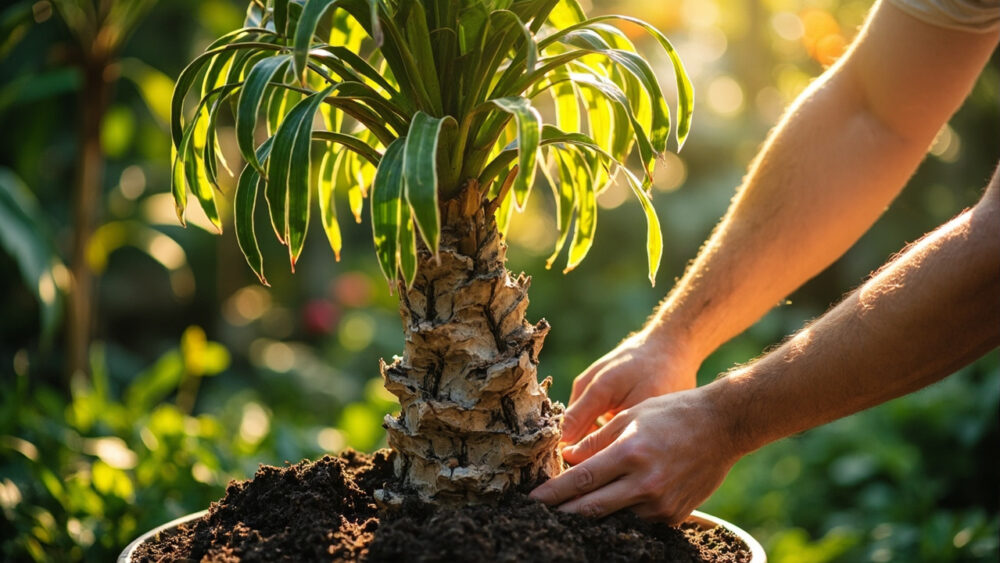
How to care for ponytail palm comes down to three things this plant demands and one thing it hates: give it bright light, water it deeply but rarely, plant it in fast-draining soil, and never let it sit in wet feet. Get those right and a ponytail palm will outlive most furniture in your house. It stores water in that bulb-shaped base at the bottom, which is exactly why almost everyone kills it the same way.
That base is not decoration. It is a canteen, and the single mistake that ends most ponytail palm attempts is treating it like a thirsty tropical houseplant instead of the desert-adapted survivor it actually is.
Before we get to watering, there is a sign most people misread completely, a temperature issue nobody warns you about, and the honest truth about how big that trunk can actually get in a pot. Stick around to the end and save the Ponytail Palm at a Glance card, it has every number you need in one place.
Light, Placement, and Temperature
Ponytail palm wants as much bright light as your home can offer. A south or west-facing window, unobstructed, is ideal. It will tolerate medium light and survive, but it will not put on new growth or hold its shape, it just kind of sits there getting duller.
Direct sun is actually welcome here, unlike with a lot of houseplants. A few hours of direct afternoon sun through glass will not scorch it once it is acclimated. If you move a plant outdoors for summer, do it gradually over a week or two so the leaves do not burn.
Room temperature suits it fine, roughly 65 to 85°F. The one thing that trips people up is cold drafts near a winter windowsill. Keep it away from glass that gets genuinely cold to the touch, and away from heating vents blowing hot dry air directly on it.
Get the light right and the next question is almost always about the watering can.
Watering: How Much, How Often, and How to Tell
If you assumed a bulbous, water-storing base means this plant wants frequent watering to keep that reservoir topped off, that guess is exactly backward, and it is the number one killer. The bulb stores water so the plant can go long stretches without any, not so you can keep it constantly moist.
Let the soil dry out completely between waterings, all the way down, not just the top inch. Stick a finger or a wooden chopstick in the pot. If it comes out with any damp soil clinging to it, wait.
In active growth months that usually means watering every 2 to 3 weeks. In winter, when growth slows way down, stretch that to once a month or even longer depending on your home’s humidity and heat.
When you do water, soak it thoroughly until water runs from the drainage hole, then let it drain fully and never let the pot sit in a saucer of standing water. A soft, spongy, or shrinking base is your plant asking for water. A base that feels mushy or looks discolored near the soil line means the opposite problem, and we will get to that.
Nail the watering rhythm and the soil underneath it needs to cooperate, not fight you.
Soil, Pots, and Feeding
Ponytail palm needs a fast-draining, gritty mix, basically a cactus or succulent blend, or regular potting soil cut with perlite and coarse sand at roughly equal parts. Heavy, water-retentive potting mix is a slow death sentence for that base.
The pot matters as much as the mix. Always use one with a drainage hole, no exceptions, and terracotta is a smart choice because it wicks away excess moisture through the walls.
Feed lightly. A balanced liquid houseplant fertilizer diluted to half strength, applied once a month during spring and summer, is plenty. Skip feeding entirely in fall and winter when the plant is barely growing and has no use for the extra nutrients.
Overfeeding pushes weak, leggy growth faster than this slow grower can support, so less is genuinely more here.
Soil and food set the foundation, but the plant still needs regular upkeep to look its best.
Pruning, Repotting, and Cleaning
Ponytail palm needs almost no pruning. Snip off brown, dead leaf tips with clean scissors any time you see them, cutting at an angle to mimic the leaf’s natural shape rather than cutting straight across.
Repotting is rare and that is by design. This plant actually prefers being slightly root-bound, and a too-large pot holding too much damp soil is a common way people accidentally drown it. Repot only every 2 to 3 years, moving up just one pot size, ideally in spring.
Here is the size truth nobody mentions at the garden center: indoors in a pot, ponytail palm grows slowly and stays modest for years, often just 2 to 4 feet tall, even though outdoors in the ground in warm climates it can eventually reach 15 to 20 feet. Your living room is not going to produce a tree.
Wipe the strappy leaves occasionally with a damp cloth to clear dust, which also lets you spot pests early.
Speaking of pests, here is what actually goes wrong with this plant and how to read the warning signs correctly.
The Problems That Actually Show Up
The overwhelming majority of ponytail palm problems trace back to overwatering, not underwatering, even though the plant’s dramatic drooping when thirsty makes people assume the opposite.
- Soft, mushy, or blackening base: almost always root rot from overwatering or poor drainage. Unpot it, trim any black or mushy roots with a clean blade, repot into dry fast-draining mix, and hold off watering for a week or two. Severe rot at the base itself is often not recoverable.
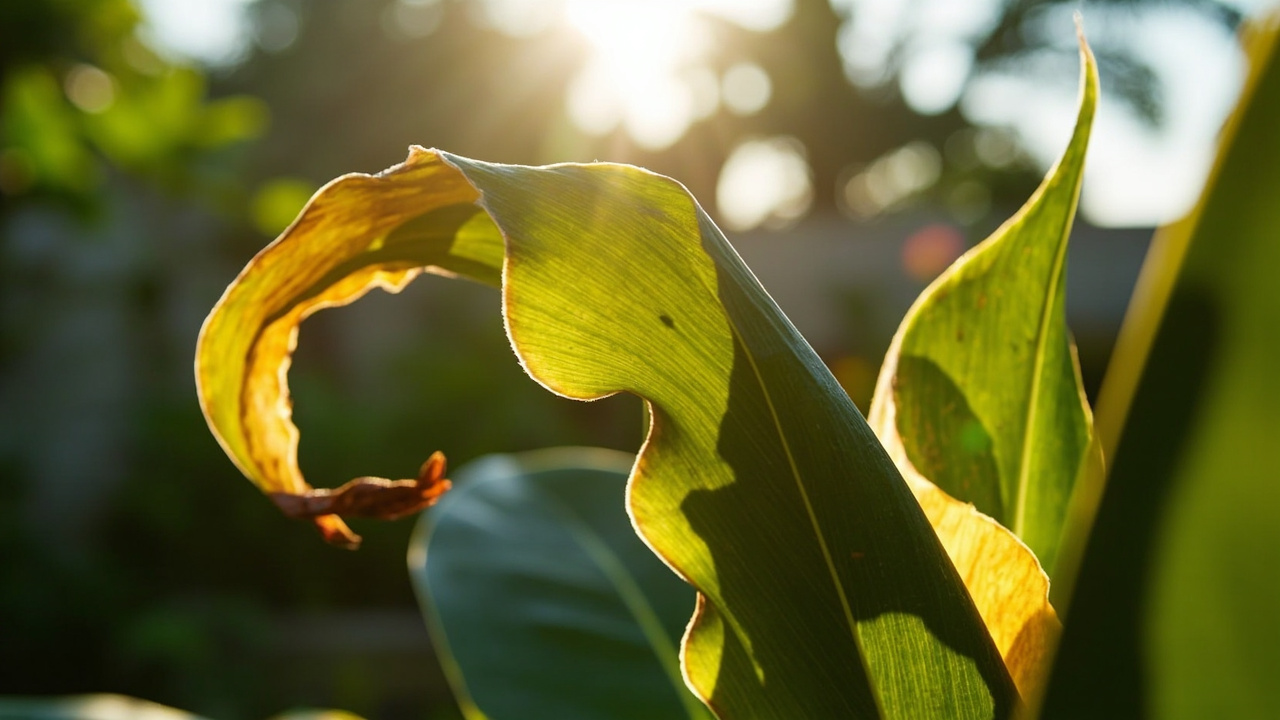
- Brown, crispy leaf tips: normal aging, low humidity, or tap water minerals. Just trim them, this is cosmetic and not a crisis.
- Shrinking, wrinkled base: the plant is dehydrated and pulling on its reserves. Water it thoroughly and it should plump back up over the following weeks.
- Spider mites or mealybugs: look for fine webbing or small cottony clusters, especially where leaves meet the trunk. Wipe pests off and treat with insecticidal soap or neem, following the product label exactly.
- Leggy, pale new growth: not enough light. Move it closer to a bright window rather than feeding it more.
Ponytail palm is considered non-toxic to cats and dogs according to general houseplant toxicity guidance, but if a pet chews on any houseplant and seems unwell afterward, call your veterinarian rather than waiting it out.
Once you have ruled out these issues, the far more satisfying question is what real health looks like.
The Signs Your Ponytail Palm Is Actually Thriving
A genuinely happy ponytail palm has a firm, plump, rounded base, not shrunken and not soft. That bulb is the single best health gauge on the whole plant, better than the leaves.
New growth emerges as a fresh, lighter-green tuft right at the crown center. Seeing that even once or twice a year, since this is a slow grower, means conditions are right.
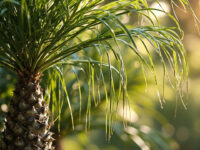
The strappy leaves should arch outward in a loose fountain shape, with older lower leaves naturally browning and dropping while new ones keep emerging above. That is normal turnover, not decline.
A thriving plant also tolerates being ignored, which is honestly the whole point of owning one.
Ponytail Palm at a Glance
- Light: as much bright light as possible, direct sun through a south or west window is ideal, tolerates medium light without thriving in it.
- Watering: soak thoroughly, then let soil dry out completely before watering again, roughly every 2 to 3 weeks in active growth, monthly or less in winter.
- Soil and pot: gritty, fast-draining cactus or succulent mix, always in a pot with a drainage hole.
- Feeding: balanced liquid fertilizer at half strength, once a month, spring and summer only.
- Temperature: 65 to 85°F, kept away from cold drafts and hot heating vents.
- Repotting: every 2 to 3 years, one pot size up, in spring, since it prefers being slightly root-bound.
- Warning sign to trust: a firm plump base means healthy, a soft or mushy base means overwatered and rotting, a wrinkled shrunken base means thirsty.
If you remember one thing, remember the base. Water it deeply, then leave it alone until that base tells you otherwise.