Nine times out of ten, a drooping bird’s nest fern is thirsty or has been thirsty too many times in a row. Underwatering and inconsistent watering are the top cause by a wide margin, and the fix is a deep soak followed by a real watering routine, not a splash on top of dry soil. But there are four or five other culprits that produce the same limp, sagging fronds, and guessing wrong can cost you the plant.
Most people blame the sun first. That is usually not it. A bird’s nest fern grown in bright light will scorch before it droops, and the drooping you are looking at right now is much more likely to be about water, roots, or cold than about light.
The detail that actually tells you which cause you have is where on the plant the drooping starts, and whether it hits old fronds, new fronds, or all of them at once. Stick around for the tell-apart guide, the honest recovery odds for each cause, and the two-minute diagnosis checklist saved for the very bottom of this page.
Causes, Most to Least Likely
1. Underwatering or an inconsistent watering schedule
Confirm it: stick a finger 1 to 2 inches into the soil. If it is dry and crumbly at that depth, and the pot feels light for its size, this is your cause. Fronds often go limp and slightly rubbery rather than crispy.
Fix it with a thorough soak, water until it runs from the drainage holes, then let the top inch dry before the next watering. Bird’s nest ferns want evenly moist soil, never bone dry and never soggy.
Get the routine right and you fix the most common cause for good.
2. Overwatering and root rot
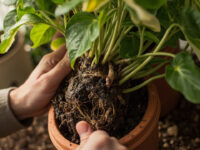
Confirm it: the soil feels wet or heavy days after your last watering, and the fronds droop while feeling soft or mushy at the base rather than dry. Pull the plant gently and check for roots that are brown, black, or slimy instead of firm and pale.
If roots are rotted, trim away the dead ones with clean shears, repot into fresh, fast-draining potting mix, and cut back watering until the plant shows new growth.
This one is more serious than underwatering, and the next section explains why.
3. Low humidity
Confirm it: soil moisture checks out fine, but the frond tips are also browning or curling, and the air around the plant is dry, near a heat vent, air conditioner, or drafty window.
Raise humidity with a pebble tray, a nearby humidifier, or grouping plants together. Misting helps briefly but is not a real fix on its own.
Humidity problems rarely act alone, so check what else is going on nearby.
4. Cold drafts or a temperature drop
Confirm it: the drooping showed up suddenly, within a day or two, and lines up with a cold snap, a drafty window, or the plant sitting near an AC unit or an exterior door. Fronds may look uniformly limp with no browning yet.
Move the plant somewhere steady, ideally 60 to 80 degrees Fahrenheit with no cold drafts, and it often perks back up within a few days once the shock passes.
If the plant does not bounce back after a move, look harder at the roots.
5. Root-bound pot
Confirm it: the plant has not been repotted in two or more years, water runs straight through without the soil holding moisture, and roots are visible circling at the drainage holes or pushing up at the soil surface.
Repot up one size, no more, into fresh well-draining mix. Bird’s nest ferns actually prefer being slightly snug, so do not jump several pot sizes at once.
A tight pot mimics thirst, which is why this one gets missed so often.
6. Fertilizer burn or excess salts
Confirm it: you have been feeding regularly, you see a white or crusty buildup on the soil surface or pot rim, and frond edges look scorched or brown along with the drooping.
Flush the soil with plain water, several times the pot volume, letting it drain fully each time, and skip fertilizer for a month or two.
Overfeeding is an easy habit to fall into on a plant that actually needs very little.
How to Tell the Causes Apart
Location on the plant is your best clue. Outer, older fronds drooping first while the center stays upright usually points to underwater or root-bound stress. All fronds drooping at once, including new growth, points more toward overwatering, cold shock, or root rot.
Texture matters too. Dry and thirsty fronds go limp but stay somewhat pliable. Rotted fronds and roots feel mushy, dark, and sometimes smell sour or musty at the base.
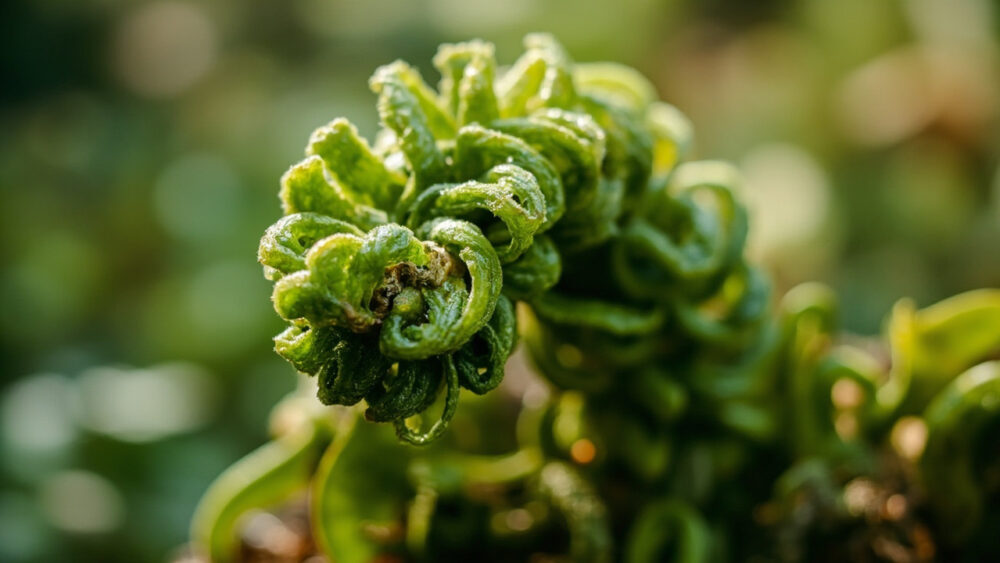
New, unfurling fronds (called fiddleheads) that droop or turn brown before opening are often the earliest sign of root rot, since new growth is the first thing a damaged root system fails to support.
Once you have narrowed it down, the next question is whether the plant can actually come back from it.
Will It Recover?
Underwatering has the best odds. Most plants perk up within 24 to 48 hours of a good soak, and full recovery of affected fronds happens within a week or two.
Cold shock and low humidity also recover well once conditions are fixed, usually within a few days to a week, though any frond that browned and crisped will not turn green again.
Root rot is the honest exception. Caught early, with healthy white roots still present after trimming, the plant often recovers over several weeks. If most of the root system is dark and mushy, the odds drop fast, and sometimes the most reliable move is starting a new plant from a healthy division if one exists, rather than fighting to save a fully rotted crown.
Fertilizer burn and root-bound stress are middle-of-the-road: expect gradual improvement over a month or so, not an overnight fix.
None of this matters much if the same mistake happens again, so here is what actually prevents a repeat.
How to Keep It From Happening Again
Water on a check, not a calendar. Feel the soil at 1 to 2 inches deep every few days and water only when it has started to dry, rather than on a fixed weekly schedule that ignores season and light.
Keep it out of drafts, away from AC vents, heaters, and exterior doors that swing open in cold weather.
Feed sparingly, a diluted balanced fertilizer every four to six weeks during active growth, none in winter.
Repot every one to two years into fresh, well-draining mix, sizing up just one pot size at a time.
Bird’s nest ferns like bright, indirect light and steady humidity, and getting those two things right removes most of the stress that leads to drooping in the first place.
Diagnosis Checklist
- Check the soil 1 to 2 inches deep: if dry and the pot feels light, suspect underwatering, water deeply, and reassess in two days.
- If the soil is wet or heavy and fronds feel soft or mushy at the base, suspect overwatering, check roots for brown or slimy tissue.
- If roots are brown, black, or slimy, trim dead roots and repot into fresh, fast-draining mix, then cut watering back.
- If soil moisture is fine but frond tips are browning and the air feels dry, raise humidity with a pebble tray or humidifier.
- If drooping appeared suddenly after a cold snap or near a draft, move the plant to a steady 60 to 80 degree spot with no cold air hitting it.
- If it has been over two years since repotting and roots are visible at the drainage holes, size up one pot with fresh soil.
- If you see white or crusty buildup on the soil or pot rim, flush the soil thoroughly and pause fertilizer for a month or two.
- If new fiddlehead fronds are browning before they unfurl, treat this as an early root rot warning and check roots immediately.
Run through that list once and you will know exactly which fix to make, not just that something is wrong.
Fix the cause instead of the symptom, and this plant rewards you with fronds that hold themselves up for years.