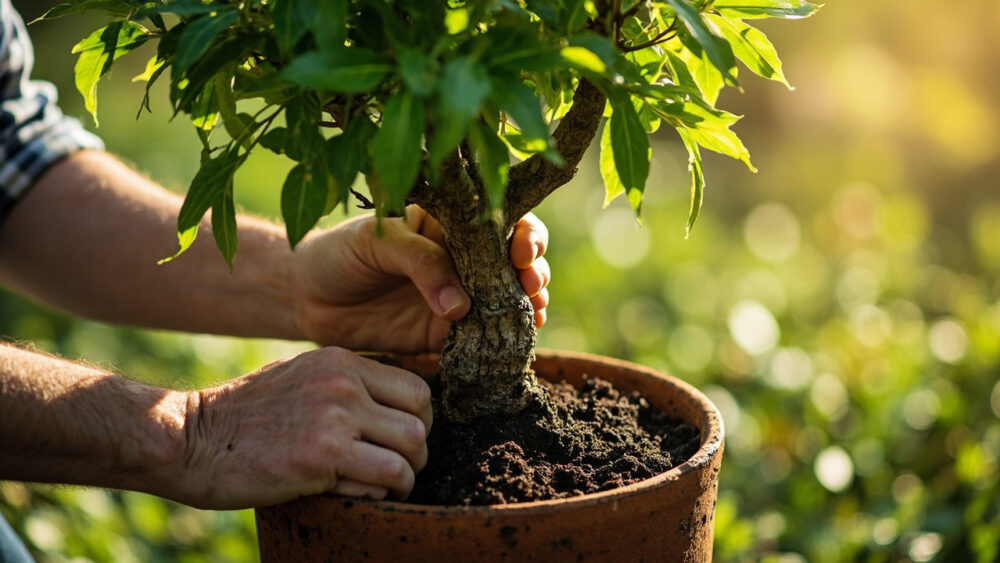
Growing a money tree (Pachira aquatica) indoors comes down to three things: bright indirect light, a well-draining pot you don’t overwater, and warmth above 60°F year-round. Get those right and you have a genuinely tough, fast-growing houseplant that can live for decades. Get the watering wrong and you’ll watch a healthy-looking tree collapse in about two weeks flat, which is exactly how most first attempts end.
There’s one mistake behind almost every dead money tree, and it isn’t neglect. It’s the opposite, and I’ll get into exactly why below.
There’s also a sign people misread constantly: those thin, glossy trunks that come pre-braided at the store aren’t a special variety, they’re just young stems twisted while flexible, and how you treat that braid later matters more than most owners realize. And if you’re wondering whether your money tree will ever actually flower or fruit indoors, I’ll give you the honest answer, because it’s not what the marketing photos imply. Stick around for the Money Tree at a Glance card at the bottom, it’s the version worth saving to your phone before you head to the nursery.
When to Plant or Repot a Money Tree
Money trees are tropical houseplants, so there’s no frost date to anchor this to. Instead, anchor it to the growing season: repot or start new plants in spring through early summerwhen active growth means roots recover fast from disturbance.
Indoor temps should sit above 65°F for repotting stress to resolve quickly. If you keep yours outdoors on a porch for summer, USDA zones 10 to 12 can leave it out year-round; everyone else brings it in once nights drop toward 50°F.
Repot every 2 years, or sooner if roots are circling the drainage hole.
Next comes the part that actually determines whether that repot helps or hurts: the pot and soil you put it into.
Choosing the Spot and Preparing the Soil
Bright, indirect light is non-negotiable. A spot a few feet back from an east or west window works well. Direct hot afternoon sun through south-facing glass can scorch the leaves; deep shade causes leggy, sparse growth reaching for light.
Soil is where most trouble starts. Use a well-draining potting mixstandard indoor potting soil cut with perlite or orchid bark, roughly 3 parts soil to 1 part perlite. Straight garden soil or anything that holds water like a sponge sets you up for root rot.
The pot matters as much as the soil. Choose one with a drainage hole, only 1 to 2 inches wider than the current root ball. Too much extra soil volume holds moisture the roots can’t use yet, and that excess wet soil is the single biggest killer of this plant.
Once the spot and mix are right, planting itself is quick.
Planting a Money Tree Step by Step
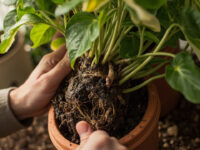
1. Check the roots first
Slide the plant out of its nursery pot. If roots circle tightly around the base, tease apart the bottom third gently with your fingers.
2. Set the depth
Plant at the same soil depth it was growing before, never deeper. Burying the trunk base invites rot at the stem.
3. Backfill and firm gently
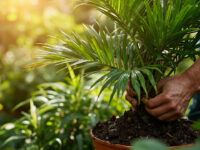
Add your perlite-amended mix around the sides, pressing lightly to remove air pockets. Don’t compact it hard, roots need air pockets to breathe.
4. Water once, thoroughly
Water until it runs from the drainage holes, then let the pot sit until the top 2 inches of soil dry out before the next watering.
That first watering sets the tone, and getting the rhythm right from here is where most people go wrong.
Watering and Feeding Through the Season
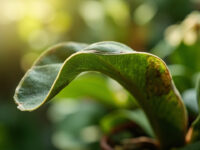
Here’s that mistake I promised. If you assumed a droopy, yellowing money tree needs more water, that guess kills more of these plants than dry soil ever does. Yellow leaves and a soft trunk almost always mean overwateringnot thirst, because the roots are suffocating and starting to rot.
Water only when the top 1 to 2 inches of soil feel dry to a finger poked in. In most homes that’s every 7 to 12 days in summer, stretching to every 2 to 3 weeks in winter when growth slows and light drops.
Feed monthly spring through early fall with a balanced liquid houseplant fertilizer diluted to half strength. Skip feeding in winter entirely. The plant isn’t using the nutrients and salts just build up in the soil.
Humidity above 40 percent keeps leaf tips from browning, so a nearby humidifier or pebble tray helps in dry heated rooms.
Even with watering dialed in, a few problems still show up on a regular basis.
Problems That Actually Strike Money Trees
- Root rot: mushy trunk base, yellow drooping leaves, soil that stays wet for days. Unpot, trim black mushy roots with clean shears, repot fresh and dry, and reduce watering going forward.
- Spider mites and scale: fine webbing or small bumps on stems, usually in dry indoor air. Wipe leaves down and treat with insecticidal soap or neem oil, following the product label exactly.
- Leaf drop after a move: money trees sulk hard when relocated or repotted, dropping a few leaves is normal stress, not a death sentence. Give it 2 to 3 weeks in stable light before reacting.
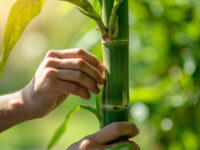
- Braided trunk splitting: as those pre-braided stems thicken with age, the braid can girdle itself. Loosen ties or twine if you see the trunk bulging tight against itself.
Now for the follow-up question almost everyone eventually asks: does this thing ever actually bloom or fruit?
When (and Whether) a Money Tree Matures, Blooms, or Fruits
Here’s the honest answer. In the wild, mature Pachira aquatica trees produce large cream-colored flowers followed by pods with edible nut-like seeds, sometimes roasted and eaten like chestnuts in their native range. Indoors, this practically never happens.
Houseplant money trees are grown for foliage, kept in pots far too small to let them reach the size and outdoor light levels flowering requires. If yours blooms indoors, it’s a genuine rarity, not a sign you did anything wrong by not seeing it.
What “harvest” really means for an indoor money tree is pruningnot picking fruit. Trim leggy stems back to a leaf node in spring to encourage bushier growth and control height, using clean shears just above a node.
One more honest note: Pachira aquatica is considered non-toxic to cats and dogs by most common toxicity references, but if a pet eats a large amount and shows vomiting, drooling, or lethargy, call your veterinarian rather than waiting it out.
All of that comes together in the card below, worth saving before your next watering day.
Money Tree at a Glance
- When to plant or repot: spring through early summer, when the plant is actively growing and indoor temps stay above 65°F.
- Light: bright, indirect light a few feet from an east or west window, no harsh direct afternoon sun.
- Soil and pot: well-draining mix, 3 parts potting soil to 1 part perlite or bark, in a pot only 1 to 2 inches wider than the root ball with a drainage hole.
- Watering: only when the top 1 to 2 inches of soil are dry, roughly every 7 to 12 days in summer, every 2 to 3 weeks in winter.
- Feeding: balanced liquid fertilizer at half strength, monthly from spring through early fall, none in winter.
- Common problems: yellow leaves and soft trunk mean overwatering and possible root rot, not thirst.
- Pruning: cut leggy stems back to a leaf node in spring for a fuller shape. Indoor flowering and seed pods are rare and not something to expect.
Most money tree failures trace back to one habit: watering on a schedule instead of checking the soil first.
Check the soil, not the calendar, and this plant will outlast most furniture in your house.