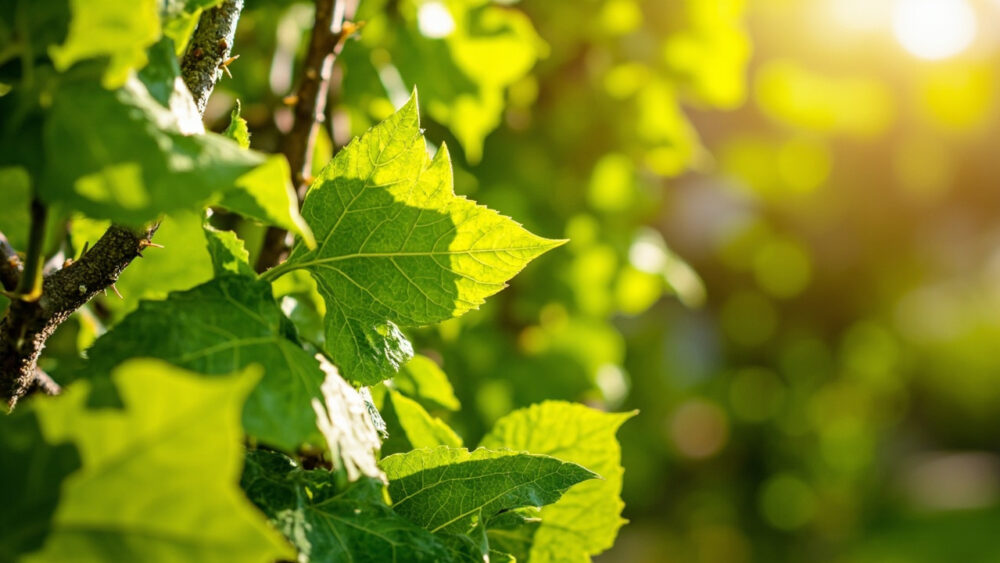
The most common reason a bougainvillea won’t bloom is too much kindness: rich soil, frequent water, and regular fertilizer push the plant into leafy growth instead of flowers. Bougainvillea blooms best when it’s a little stressed, dry between waterings, and rooted in lean soil. Fix that imbalance and flowers usually show up within four to eight weeks.
But that’s not the only cause, and it’s not even always the right one. Not enough light gets blamed constantly, but the real culprit is often something growers do without thinking, like pruning at the wrong time or feeding with the wrong fertilizer ratio. There’s also a specific tell on the plant itself, the color and density of the foliage, that points you straight at your actual problem.
Stick with this to the end and you’ll get a two-minute diagnosis checklist you can run right now, standing in front of the plant, to confirm exactly which of these is yours.
Causes, Most to Least Likely
1. Overfeeding or the Wrong Fertilizer
Confirm it: check what you’ve been feeding it. If it’s a balanced or high-nitrogen fertilizer (anything with the first number notably higher, like 20-5-5), or if you fertilize more than once a month during the growing season, this is likely your problem. The plant will look lush, dark green, and vigorous, with lots of new growth and almost no flowers.
Fix it: stop feeding for six to eight weeks, then switch to a bloom-formula fertilizer with higher phosphorus and potassium relative to nitrogen (something like 10-30-10), applied lightly every four to six weeks during active growth only.
Lush and green but flowerless is the single most recognizable bougainvillea complaint there is.
2. Too Much Water or Soil That Never Dries
Confirm it: stick a finger two inches into the soil. If it’s damp more days than not, or the pot sits in a saucer of standing water, this is it. Bougainvillea in the ground or in containers that stay evenly moist will grow green and refuse to flower.
Fix it: let the top two to three inches of soil go completely dry between waterings. In containers, water thoroughly, then don’t touch it again until the pot feels light and the soil is dry to a knuckle’s depth. This mild drought stress is what triggers blooming.
Water discipline sounds too simple to matter, but for this plant it’s often the whole fix.
3. Not Enough Direct Sun
Confirm it: count actual hours of direct, unobstructed sunlight hitting the foliage, not bright shade or filtered light through a window. Bougainvillea needs a minimum of six hours, and blooms far better with eight or more. Plants tucked under an eave, near a tall fence, or inside a covered porch rarely get enough.
Fix it: move containers to the sunniest spot you have, ideally a south or west exposure. In-ground plants that have grown shaded by trees or structures may need those pruned back, or the bougainvillea may need to be relocated entirely.
Light deficiency is real, but it’s rarely the first thing to check, because most people already put these in sun.
4. No Cold Stress or Dormant Period
Confirm it: if you’re in a warm zone (10 to 11) and the plant never experiences a cool, drier stretch, or if you’re overwintering one indoors in warm, stable conditions, it may simply never get the seasonal trigger it wants.
Fix it: outdoors, this often resolves on its own as nights cool into fall. Indoors or in mild climates, withhold water more aggressively for several weeks and drop nighttime temperatures if you can, even by a few degrees, to mimic the dry season it blooms in naturally.
This one surprises people because it means the fix is backing off, not doing more.
5. Pruned at the Wrong Time
Confirm it: think back over the last two to three months. Bougainvillea blooms on new growth, but heavy pruning right before or during the bloom period removes the wood that would have flowered.
Fix it: prune lightly right after a bloom cycle ends, not before one is expected. Shape it, don’t shear it, and expect the next flush six to ten weeks after a light trim.
Timing your pruning correctly fixes a problem you may not even know you caused.
6. Root-Bound or Recently Repotted
Confirm it: for container plants, check if roots are circling the pot’s edge or emerging from drainage holes, or if you repotted into a much larger container within the last few months.
Fix it: mild root-bound stress actually helps blooming, so don’t rush to upsize. If you just repotted into fresh, rich soil, let it settle for a season. Overpotting into too much soil volume keeps it in vegetative mode.
Sometimes the fix for a non-blooming bougainvillea is doing less to the roots, not more.
How to Tell the Causes Apart
Start with the leaves. Dark, glossy, oversized foliage with vigorous new shoots points to overfeeding or overwatering, the two most similar-looking causes.
Pale or sparse leaves with stretched, thin stems reaching toward one direction usually means insufficient light.
If foliage looks healthy and normal-sized but blooms simply never start, and you pruned recently, timing is your answer.
Uniform, all-over lack of bloom on an otherwise thriving plant in a stable warm climate points to missing dormancy. New leaves emerging fine but flowering is stalled after a recent repot signals root disturbance.
The pattern always sits in the leaves first, the flowers just tell you the story is finished.
Will It Recover?
The honest answer: yes, in almost every case, and usually faster than people expect once the actual cause is corrected.
Overfeeding and overwatering fixes typically show new bloom color within four to eight weeks of correcting the routine. Light and pruning-timing issues take a bit longer, often one full flush cycle, six to ten weeks.
Dormancy-related stalling can take a full season to resolve, particularly if the plant has never experienced cooler or drier conditions before.
The one situation to genuinely reconsider is a plant that’s been chronically overwatered for a year or more, since that can also cause slow root rot alongside the lack of blooms; if stems are going soft or the base smells sour, that’s a root problem, not just a bloom problem, and recovery odds drop considerably.
Most bougainvilleas aren’t broken, they’re just being managed a little too gently.
How to Keep It From Happening Again
Once it’s blooming again, the habits that keep it that way are simple. Water deeply, then wait until the soil dries well before watering again, every time, all season.
Feed sparingly with a bloom-formula fertilizer, and never during the two to three weeks after a hard prune.
Give it the sunniest spot available and don’t let nearby growth shade it out as seasons change.
Prune lightly and only right after a bloom flush finishes, keeping the plant a little pot-bound rather than rushing to upsize containers.
Bougainvillea rewards a bit of neglect, and that’s the whole secret worth remembering.
Diagnosis Checklist
- Check the leaf color and size: if dark, glossy, and oversized with lots of new green growth, suspect overfeeding or overwatering first.
- Stick a finger two inches into the soil: if damp, cut back watering frequency immediately and let it dry out fully between waterings.
- Recall your last fertilizer feeding: if it was high-nitrogen or applied more than monthly, stop feeding for six to eight weeks.
- Count direct sun hours honestly: if under six hours daily, plan a move to a sunnier spot.
- Think back on pruning: if you cut it hard in the last two to three months, wait for the next natural flush before judging it further.
- Check the pot and roots: if recently repotted into a much larger container, give it a full season to settle before expecting blooms.
- Check the base and stems for softness or a sour smell: if present, treat this as a root health issue and scale back watering drastically.
- If none of the above fit and the plant is otherwise healthy in a warm stable climate, consider it may simply be missing a seasonal dry, cool trigger.
Run through that list once and you’ll know exactly which fix to make today.
Bougainvillea forgives almost everything except constant comfort.