Caring for celosia comes down to four things: full sun, well-drained soil, water before it wilts rather than after, and warmth. This is a heat lover from the tropics, and almost every problem you’ll run into traces back to one of those four getting ignored. Give it six or more hours of direct sun, soil that never stays soggy, and consistent moisture without waterlogging, and celosia rewards you with those velvety flame or cockscomb blooms for months.
But there are a few things about this plant that trip up even experienced gardeners. The most common mistake isn’t underwatering, it’s the opposite, and it happens right after planting when the roots are still small and vulnerable. There’s also a sign of stress that looks exactly like a watering problem but isn’t one at all. And plenty of people ask the follow-up question before they even finish reading: does celosia come back next year, or is this a one-season plant? I’ll answer all of it, and at the bottom you’ll find a save-able Celosia at a Glance card with the numbers you’ll actually want on hand this weekend.
Light, Placement, and Temperature
Celosia wants full sun, at least six hours a day, and it genuinely performs better with eight or more. In anything less it gets leggy, flops over, and produces fewer, smaller blooms. This is not a shade-tolerant plant, no matter what the tag might imply.
Temperature matters just as much as light. Celosia is tropical at heart and stalls out, or dies outright, in cool soil. Don’t plant it outside until nighttime lows are reliably above 55°F and soil temperature has climbed past 60°F, which is usually two to three weeks after your last frost date, not right on it.
Plant too early into cold soil and you’ll get a stunted, purple-tinged plant that never really recovers even once it warms up.
Watering: How Much, How Often, and How to Tell
Water celosia when the top inch of soil feels dry to the touch, which in warm weather is often every two to three days for container plants and about once a week for ones in the ground, adjusted for rain. Soak deeply each time rather than sprinkling lightly and often.
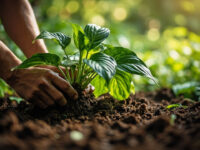
Here’s the mistake that ruins most attempts: overwatering right after transplant. Newly planted celosia has a small root system, and if you keep the soil constantly wet while it’s establishing, the roots rot before the plant ever gets going. Established celosia is actually fairly drought-tolerant once its roots are down.
The tell-tale sign of trouble is wilting, but here’s the twist: wilted, droopy celosia usually means too little water, while yellowing lower leaves with a soft, mushy stem base means too much. Same plant, opposite fixes.
Get the water right and the next thing to dial in is what’s under it.
Soil, Potting Mix, and Feeding
Celosia needs soil that drains fast. Heavy clay or a potting mix that stays soggy is a bigger threat to this plant than drought ever will be. Amend garden beds with compost to loosen dense soil, and use a standard well-draining potting mix in containers, ideally one with perlite or bark mixed in.
Aim for a soil pH in the neutral range, roughly 6.0 to 7.0. Celosia isn’t picky about fertility, but it does bloom harder with a little feeding.
Work a balanced, slow-release fertilizer into the soil at planting, then follow up with a diluted liquid feed every three to four weeks through the growing season. Skip nitrogen-heavy formulas, since they push leafy growth at the expense of flowers.
Good soil and modest feeding set the stage, but the plant still needs regular upkeep to keep performing.
Pruning, Deadheading, and Other Routine Tasks
Pinch young celosia plants once, when they’re about 4 to 6 inches tall, snipping off the top set of leaves. This forces branching and gives you a fuller plant with more flower spikes instead of one tall, single-stemmed one.
Deadhead spent blooms through the season to keep new flowers coming. Some gardeners let a few plumes go to seed on purpose late in the season, since celosia self-sows readily and often comes back on its own the following year in mild climates.
Spacing matters here too. Plant celosia 8 to 12 inches apart depending on variety, plume types needing more room than the compact wheat celosia types.
Crowded plants trap humidity around the foliage, and that dampness is exactly what invites the next problem.
The Problems Most Likely to Strike
The two big culprits are fungal issues and a handful of common pests, and both are manageable if you catch them early.
- Root rot and stem rot: caused by soil that stays wet too long. Fix by cutting back watering and improving drainage; badly affected plants often can’t be saved and are better replaced.
- Leaf spot: shows up as brown or dark spots on foliage in humid, crowded conditions. Improve airflow by spacing plants properly and water at the soil line instead of overhead.
- Aphids and spider mites: look for sticky residue, fine webbing, or curled leaves. A strong spray of water knocks down light infestations; for heavier ones, follow the label on an insecticidal soap or horticultural oil.
Celosia is not toxic to dogs, cats, or horses according to standard pet-safety references, so it’s a reasonably worry-free choice if you have animals wandering the garden.
Catch these issues early and you’re really just watching for one thing: whether the plant looks like it’s thriving or just surviving.
How to Tell Celosia Is Actually Thriving
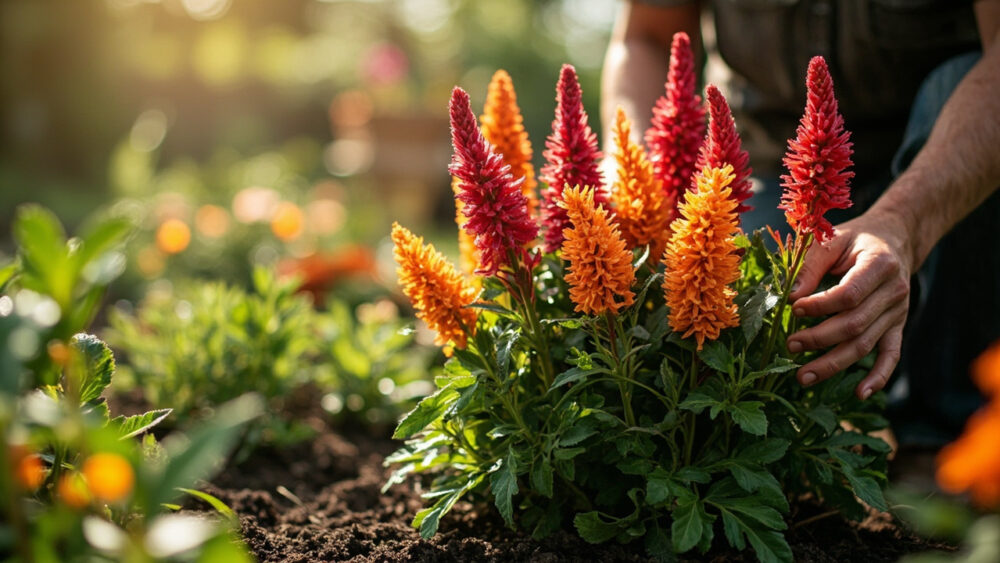
A thriving celosia has firm, upright stems, foliage with good color, and it’s constantly pushing new flower spikes rather than sitting still. The blooms hold their color, whether that’s the deep red of a plume type or the bright coral of a cockscomb, without fading or browning at the tips.
If you assumed a tall, fast-growing celosia is automatically a healthy one, that’s not quite the full picture. Rapid, floppy growth with pale or sparse blooms often means too much nitrogen and not enough sun, not genuine vigor.
Real thriving looks compact, sturdy, and floriferous, not just tall.
Once you know what healthy looks like, the rest is just keeping the numbers straight, which is exactly what’s below.
Celosia at a Glance
- When to plant: two to three weeks after your last frost, once nighttime lows stay above 55°F and soil is past 60°F.
- Light: full sun, six to eight or more hours of direct light daily.
- Water: when the top inch of soil is dry, roughly every two to three days in containers, weekly in the ground, adjusted for rain.
- Soil: fast-draining, fertile, pH 6.0 to 7.0, amended with compost if heavy.
- Spacing: 8 to 12 inches apart depending on variety.
- Feeding: balanced slow-release at planting, then diluted liquid feed every three to four weeks.
- Watch for: root or stem rot from overwatering, leaf spot in crowded humid conditions, aphids and spider mites in dry heat.
Get the sun, drainage, and timing right, and celosia mostly takes care of itself from there.
When in doubt, check the soil with your finger before you check the calendar.