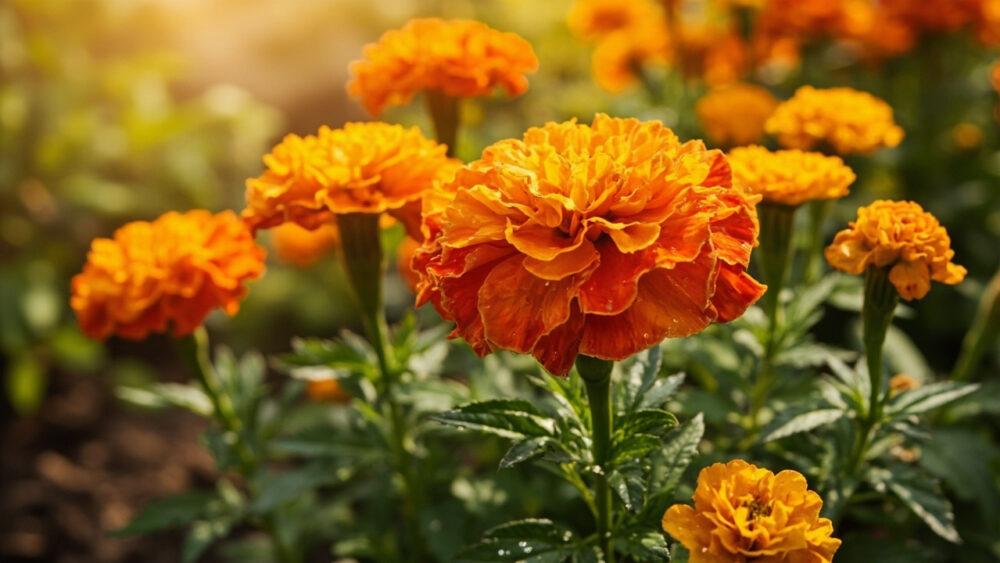
No, most marigolds do not come back on their own. The marigolds sold at garden centers, French and African types, are true annuals that finish their life cycle in one season and die with the first hard frost. If you’re asking do marigolds come back every year expecting a perennial, the honest answer is no, but there’s more nuance here than that flat statement suggests.
A few things change this picture. Where you garden matters, what you do with the plant in fall matters, and there’s a sneaky way marigolds “return” that has nothing to do with the original plant surviving.
Stick with me through the sections below and you’ll know exactly what to expect in your own yard next spring, plus the one thing you can do this fall to get marigolds back without spending a dime on seed packets. There’s a save-able quick-reference card waiting at the bottom.
The Plain Answer: Annual, Not Perennial
Marigolds (Tagetes) are grown as annuals everywhere in the United States, regardless of zone. There is no hardiness zone where a mature marigold plant survives winter outdoors and resumes growing in spring. The cold kills the roots, not just the foliage.
This surprises people because marigolds behave so vigorously all summer that they seem tough enough to weather anything. They aren’t. A freeze in the 28 to 32 F range will blacken and collapse the whole plant within a day or two, and that’s the end of that individual marigold’s life.
So no zone gets a free pass on this one, but zone does affect something else entirely.
What Actually Comes Back, and Why It Feels Like Magic
Here’s the part that trips people up. If your marigolds dropped seed last fall, you may well see marigold seedlings pop up in that same bed next spring, sometimes thick as grass. That’s not the same plant returning. It’s self-seeding, and it’s genuinely common with marigolds because they set seed heavily and readily.
If you assumed those spring seedlings meant your marigold was secretly perennial, that guess is wrong but understandable. What actually happened is the parent plant died completely over winter, and its scattered seed germinated once soil warmed. The new plants are genetically similar but not identical, especially if you grew a hybrid variety, so flower color and form can drift a little from what you planted.
Whether this happens in your yard depends on whether you deadhead. Gardeners who diligently remove spent blooms all summer rarely get volunteer seedlings, because they never let the plant set seed in the first place.
That tradeoff, tidy garden versus free seedlings, is worth understanding before next season.
What Winter Actually Does to the Plant
Once night temperatures start dropping into the upper 30s, marigolds slow down and bloom quality drops even before a killing frost arrives. The first hard freeze finishes the job: leaves go dark and limp, stems turn to mush, and the plant is done for good.
There’s no reviving a frozen marigold. Don’t cut it back hoping for regrowth from the base the way you might with a true perennial. The root system dies right along with the top growth, so there’s nothing left to push new growth in spring.
In pots left outside, the freeze happens faster and harder because container soil offers less insulation than ground soil. A potted marigold can be killed by a frost that only lightly damages the same variety planted in the garden bed.
Knowing the plant is truly finished is what makes the next question worth asking.
Can You Overwinter a Marigold Indoors?
Technically yes, but it’s rarely worth the trouble. Marigolds can be dug up, potted, and brought indoors before frost, then kept alive on a bright windowsill through winter. They tend to get leggy, sparse-blooming, and prone to aphids indoors, and by spring the plant usually looks rough enough that starting fresh would have been easier.
The better move if you want that exact plant’s genetics back is saving seed, not saving the plant. Let a few of your best blooms go to seed in late summer, snip the dried flower heads, shake out the seeds, and store them somewhere cool and dry over winter. That’s a far more reliable path than nursing a struggling houseplant marigold for five months.
Either way, most gardeners land on the same conclusion once they’ve tried it once.
Why Treating Marigolds as Annuals Is Honestly the Smarter Play
Marigold seed is inexpensive, germinates readily in warm soil, and grows into a blooming plant in as little as 6 to 8 weeks from sowing. Given that speed, fighting biology to overwinter a plant that wants to be an annual rarely pays off compared to just starting new ones.
Starting fresh each spring also sidesteps a real problem: plants that struggled through a rough overwintering attempt are weaker and more susceptible to pests like aphids and spider mites, which can then spread to your other seedlings. A clean start avoids that risk entirely.
If you want marigolds back in the same spot with zero effort and don’t mind some color drift, skip deadheading on a few plants in late summer and let nature reseed the bed. If you want to keep a specific variety true to type, save seed deliberately instead.
Either path gets you marigolds again, just on different terms, and that’s really the whole decision.
Marigolds: Quick Reference
- Core answer: marigolds are annuals and do not come back on their own in any US hardiness zone, they die completely at first hard frost.
- Apparent exception: self-seeded volunteers can sprout the following spring if plants were allowed to set seed, but these are new plants, not the original returning.
- Deadheading tradeoff: regular deadheading means longer bloom and tidier plants all summer, but little to no volunteer reseeding next year.
- Frost sensitivity: foliage and roots both die at 28 to 32 F, there is no cutting back for regrowth like you would with a hardy perennial.
- Potted marigolds: freeze faster than in-ground plants due to less soil insulation, bring pots in or accept an earlier end of season.
- Best way to get them back: save dried seed heads in late summer and store seed cool and dry over winter, then resow once soil warms in spring.
Marigolds live fast, bloom hard, and check out at the first freeze, and that’s just what the plant is built to do.
Plant them knowing that, and next year’s marigolds are simply a five-minute reseeding job away.