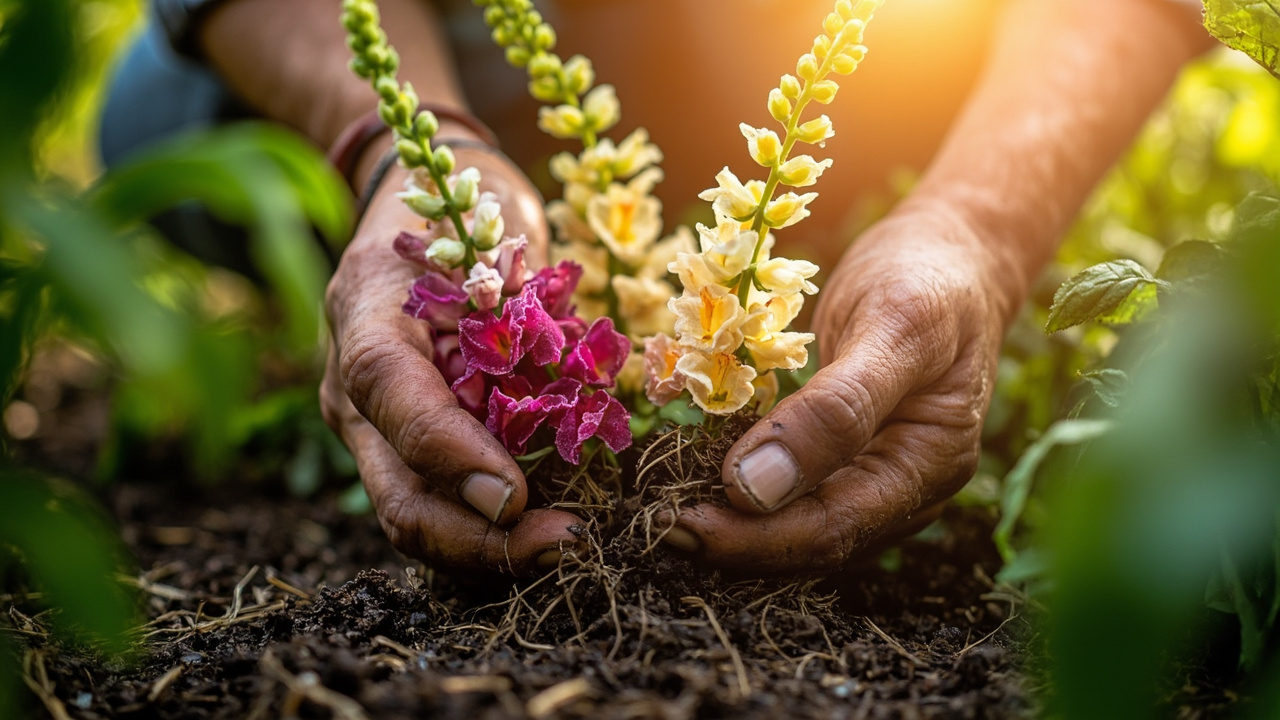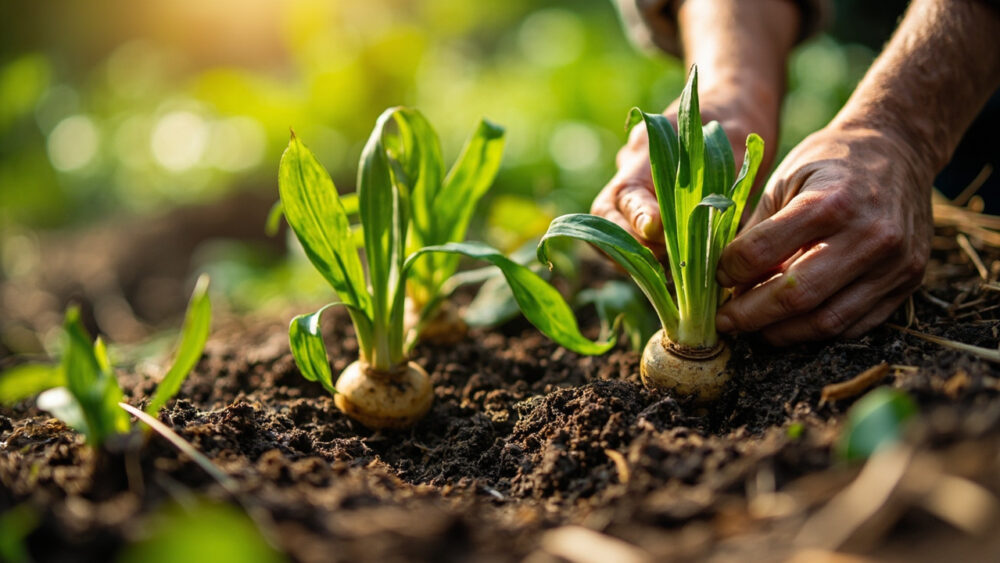
The real window for planting irises depends on which kind you’re growing, but for the bearded irises most people mean, it’s late summer into early fall, roughly six to eight weeks before your ground freezes solid, when soil temperatures are still in the 60s to low 70s Fahrenheit. That timing lets the rhizome grow real roots before winter instead of just sitting there. Plant iris bulbs (the true bulb types, like Dutch iris) in fall as well, right alongside your tulips and daffodils.
Here’s where most people go wrong, though, and it’s not the month. It’s planting depth and the assumption that “bulb” thinking applies to bearded iris rhizomes at all, which it doesn’t, and that mistake alone costs more blooms than a bad frost ever does.
There’s also a timing trap specific to iris: plant too late in fall and the rhizome technically survives but skips flowering the following spring, and almost nobody figures out why until a full year later. Stick with me and I’ll walk you through your actual window, the depth mistake, the too-early and too-late failure modes, and the prep that makes the difference. The save-and-screenshot “Irises at a Glance” card is waiting at the bottom.
The Planting Window, Anchored to Real Conditions
Bearded irises want to go in the ground six to eight weeks before your first hard freeze. In much of the country that lands somewhere between late July and early October, with cooler northern climates planting earlier in that range and mild-winter regions like the Gulf Coast or coastal California stretching later, sometimes into November.
Soil temperature matters more than the calendar. You want soil that’s still warm, in the 60s Fahrenheit at a few inches down, because that warmth is what pushes root growth before dormancy.
Bulb irises (Dutch iris, reticulata, and similar) follow bulb logic instead: plant in fall once soil has cooled below about 60°F, same general timing as tulips, so the bulb doesn’t rot in warm, wet ground.
Spring planting is possible for container-grown bearded iris but it’s a compromise, and that compromise has consequences worth knowing before you commit.
Finding Your Exact Window in Your Own Yard
Forget the calendar date and check two things: your average first frost, and the soil itself. Count back six to eight weeks from that frost date and you’ve got your target range.
Then confirm with your hands. Dig down 3 to 4 inches and feel the soil. It should be warm, crumbly, and workable, not the cold, damp clay of late fall.
If your region has a defined rainy season, aim to plant a few weeks before it starts. Wet, soggy soil right after planting is one of the fastest ways to rot a fresh rhizome before it roots.
Once you know your window, the next question is what actually happens if you miss it in either direction.
Plant Too Early and the Rhizome Rots or Rushes
If you assumed early is always safer, that guess costs blooms. Planting in the heat of mid-summer, especially in humid climates, invites soft rot before the rhizome ever gets established, because warm wet soil around a fresh-cut rhizome is exactly what rot organisms want.
Too early can also push premature top growth that then gets nipped by an early cold snap, weakening the plant heading into winter.
The fix isn’t complicated: wait for that six-to-eight-week window before frost, not the first cool morning that feels like fall.
Planting too late causes a quieter problem, and it’s the one that actually surprises people.
Plant Too Late and You Lose a Whole Year of Blooms, Not the Plant
Here’s the honest answer to the question you’re probably about to ask: no, a late planting usually won’t kill the iris. It will very likely survive winter. What it won’t do is bloom well the following spring, because the rhizome didn’t have enough weeks of warm soil to establish the root system that flowering depends on.
You’ll get healthy-looking leaves and no flowers, and it’ll look like a mystery problem when really it’s just a calendar problem from twelve months back.
If you’re already past your ideal window this year, plant anyway. Just expect a foliage-only season rather than a lost plant.
That one-year lag is exactly why the depth mistake below matters so much, since a bad depth compounds a late start.
The Depth Mistake That Ruins More Plantings Than Timing Does
Bearded iris rhizomes are not planted like bulbs, and treating them like one is the single most common failure. The rhizome should sit at or barely below the soil surface, with the top actually visible or just barely covered, roots spread downward and outward like a fan.
Bury it 3 or 4 inches deep the way you would a tulip bulb and it will very likely rot, especially in heavier clay soils or climates with wet winters.
In hot, dry climates you can get away with covering it slightly more, maybe an inch of soil over the top, but that’s the exception, not the rule.
Get the depth right and the next thing that decides success is spacing and prep before you ever put the rhizome in the ground.
Spacing and Prep Before the Window Opens
Space bearded iris rhizomes 12 to 18 inches apart, pointing the leaf end (the fan) away from the center if you’re planting a cluster, so they have room to multiply outward for two or three years before crowding forces a dig-and-divide.
Before the window opens, work the bed over: iris want full sun, at least six hours, and soil that drains well. Standing water around a rhizome is a death sentence regardless of season.
Amend heavy clay with compost or coarse sand ahead of time rather than at planting, so the bed has settled and isn’t loose enough to sink the rhizome too deep.
Skip fresh manure or heavy nitrogen fertilizer right before planting, since it encourages soft rot exactly where you don’t want it.
With the bed ready, the only other variable left is where you garden, and that changes the window more than most people expect.
Zone and Region Notes That Actually Change the Timing
In colder zones, roughly USDA zone 3 to 5, plant on the earlier edge, often August, so roots establish well before a hard freeze locks up the ground.
In milder zones, 6 to 8, September into October works fine, and you have more room to wait for that ideal warm, workable soil.
In hot-summer, mild-winter regions like the low desert Southwest or coastal California, hold off until soil temperatures actually drop, sometimes not until October or November, since planting into summer heat there is its own version of planting too early.
Siberian and Japanese iris are more forgiving of timing and wet soil than bearded types, so if your yard runs damp, those are worth choosing over bearded iris entirely.
Wherever you garden, the numbers below are the ones worth keeping on hand once the shovel’s already in your hand.
Irises at a Glance
- When to plant bearded iris: six to eight weeks before your first hard frost, when soil is still warm and workable, typically late summer into early fall.
- When to plant bulb iris (Dutch, reticulata): fall, once soil cools below about 60°F, alongside tulips and daffodils.
- Planting depth: rhizome top at or just below the soil surface, barely covered, never buried 3 to 4 inches deep like a bulb.
- Spacing: 12 to 18 inches apart, fans pointing outward from the center of a cluster.
- Site needs: full sun, at least six hours daily, well-drained soil, no standing water.
- Too early risk: soft rot in warm wet soil, or tender new growth damaged by an early cold snap.
- Too late risk: the plant survives but usually skips blooming the following spring due to underdeveloped roots.
Get the depth right and hit that six-to-eight-week window before frost, and irises largely take care of themselves for years.
Everything else, the soil amendments, the spacing, the zone adjustments, is just fine-tuning around those two decisions.