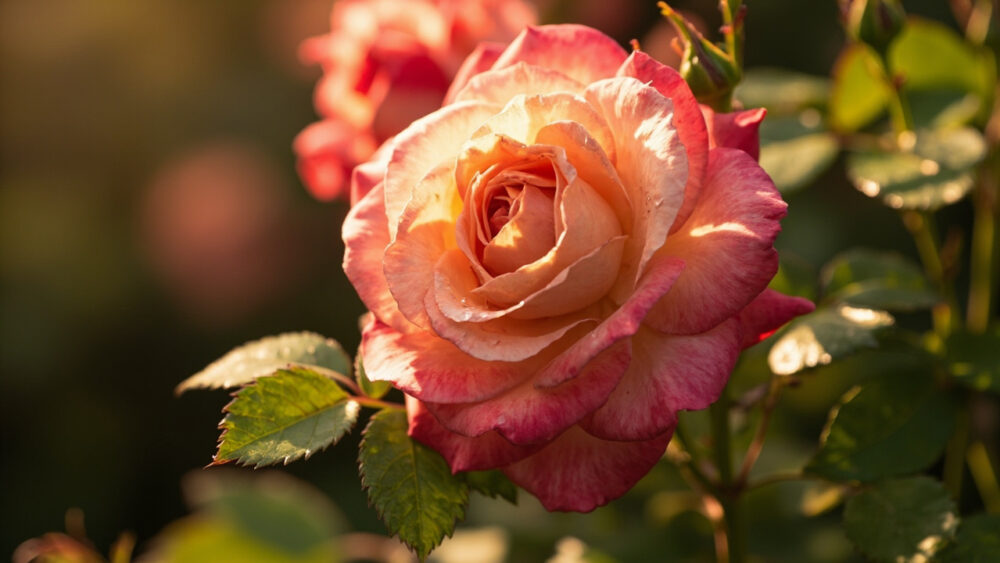
Most roses bloom from late spring through fall, typically starting around May or June and continuing until the first hard frost. That is the honest range for repeat-blooming roses, which is what most garden centers sell today. Old-fashioned once-bloomers are a different story, and they will fool you if nobody warns you.
The exact answer for your bush depends on which type you planted, how old it is, your climate zone, and honestly, how you have been pruning it. Two roses planted the same week in the same yard can bloom weeks apart if one is a hybrid tea and the other is a climber.
Below I will walk through what actually controls the timing, the pruning and feeding mistakes that shut down flowers, and the one deadheading habit that stretches the show by months. Save-able quick-reference card is at the bottom once you have the full picture.
The Bloom Window and How Long It Actually Lasts
Repeat-blooming roses, which includes most hybrid teas, floribundas, grandifloras, and modern shrub roses like Knock Out, work in flushes. You get a big flowering push in late spring to early summer, a lull for a few weeks in the heat of summer, then another strong flush in late summer through fall.
Each individual flush lasts roughly three to six weeks before it tapers, then the plant rests and rebuilds before the next round. In mild climates the flushes can overlap enough that the bush looks like it never stops. In hot, dry climates the summer lull is more pronounced and can look like the plant quit on you.
Once-blooming roses, mostly old garden roses and many climbing species roses, only flower in one big spring flush, usually lasting two to four weeks, and that is it for the year. If your rose looks like a solid wall of blooms once and then nothing but leaves afterward, you likely have one of these, and no amount of deadheading will bring a second round.
Knowing which category your rose falls into changes everything else you do to it.
What Actually Controls When Your Rose Blooms
Temperature and daylight length trigger the start of the season. Roses generally need soil temperatures to warm past the mid 50s Fahrenheit and consistent daylight increase before they push new growth and buds, which is why bloom start creeps later the farther north you garden.
Zone matters more than the calendar. Zone 8 and 9 gardeners might see first blooms in April. Zone 4 and 5 gardeners are often waiting until June. There is no single date that applies everywhere, only the local signal: new red-tinged growth pushing out means bloom is four to six weeks behind it.
Plant age plays a role too. A rose planted this spring, especially a bare root, often spends its first year building roots and may only give you a modest first flush. Full bloom potential usually shows up in year two or three.
Next is the part most people get backwards, and it is worth slowing down for.
How to Get More Blooms, and Longer Ones
If you assumed more fertilizer automatically means more flowers, that guess is what leaves a lot of roses lush and green with almost nothing blooming on them.
Feed for flowers, not just leaves. Nitrogen-heavy fertilizer builds foliage at the expense of blooms. Roses want a balanced or slightly phosphorus-and-potassium-forward feed through the growing season, applied every four to six weeks from spring into midsummer, then tapered off six to eight weeks before your first expected frost so the plant hardens off instead of pushing tender new growth into cold weather.
Sun and water do the heavy lifting. Roses want six or more hours of direct sun daily. Less than that and you get a leggy plant with sparse, weak blooms even with perfect feeding. Deep watering once or twice a week, enough to soak the root zone, beats frequent shallow sprinkles every time, and it directly affects flower size and count.
Prune with purpose in early spring, right as buds start to swell, cutting back to healthy outward-facing buds. This shapes the plant and forces it to put energy into fewer, stronger flowering canes instead of spreading itself thin over dead or crossing wood.
Even with all of that dialed in, plenty of roses still refuse to cooperate, so let’s talk about why.
Why Your Rose Isn’t Blooming
Too much shade is the most common cause, full stop. A rose that gets four hours of sun or less will grow green and healthy-looking for years while producing few or no flowers.
Overfeeding with nitrogen is the second most common cause, especially with lawn fertilizer drift or all-purpose feed applied too heavily. You get dark, thick foliage and almost no buds.
Other common culprits:
- Improper pruning timing, cutting off next season’s buds by pruning at the wrong point in the cycle
- A once-blooming variety mistaken for a repeat bloomer, so the gardener is waiting for a second flush that isn’t coming
- Root stress from transplant shock, drought, or a pot that’s outgrown, which can pause blooming for a full season
- Pest or disease pressure, such as aphids on buds or black spot stripping enough leaves that the plant can’t fund flower production
For pest and disease issues, treat the underlying problem, whether that means insecticidal soap for soft-bodied pests or improving airflow and using a labeled fungicide for black spot, and always follow the product label exactly rather than guessing at rates.
Fix the light and feeding issues first, since they solve the majority of no-bloom complaints without spending a dime on chemicals.
Deadheading and Aftercare That Stretch the Show
Deadhead spent blooms promptly on repeat-flowering roses, cutting down to the first five-leaflet leaf below the faded flower. This tells the plant to stop putting energy into seed production and redirect it into the next flush, often shaving a week or two off the wait for new buds.
Skip deadheading in early fall in cold climates, roughly six to eight weeks before your first frost, and let the last blooms form rose hips instead. This signals the plant to slow down and prepare for dormancy rather than pushing tender new growth that frost will just kill.
A light mulch layer, two to three inches, keeps roots cool and moisture even through summer heat, which reduces the stress that causes flowers to fade fast or buds to abort before opening.
Get deadheading and fall shutdown right and you will squeeze real extra weeks of color out of the same bush, which brings us to the card worth saving.
Roses: Quick Reference
- Bloom season: late spring through fall for repeat bloomers, typically May or June into first frost, with a single spring flush only for once-blooming varieties
- Flush length: three to six weeks per flush for repeat bloomers, with a summer lull, two to four weeks total for once-bloomers
- Trigger: soil warming past the mid 50s Fahrenheit and increasing daylight, timing shifts later the colder your zone
- Sun needed: six or more hours of direct sun daily for strong, consistent flowering
- Feeding: balanced or phosphorus-and-potassium-forward fertilizer every four to six weeks, stop six to eight weeks before first frost
- Most common no-bloom cause: insufficient sun, followed closely by nitrogen-heavy fertilizer
- Extend the show: deadhead promptly through summer, stop deadheading in early fall to let hips form and the plant harden off
Get the sun and feeding right, and most roses will bloom for months without much fuss.
The plant is telling you what it needs the whole time, you just have to read the leaves and light, not the calendar.