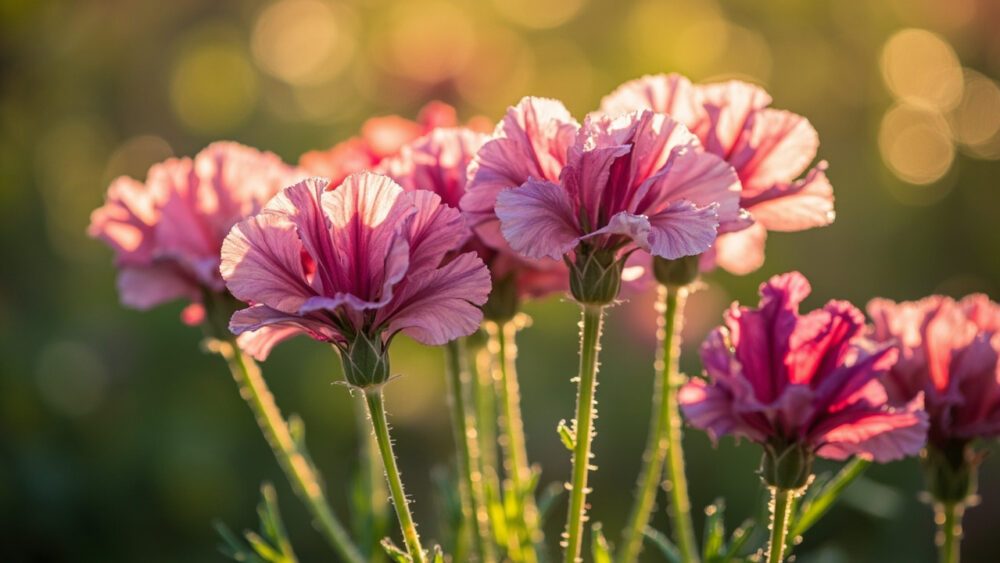
Most dianthus bloom from late spring through early summerroughly May into June depending on your climate, and many varieties will push out a second, lighter round in late summer or fall if you deadhead them. That first flush usually lasts four to six weeks. Some of the everblooming types sold as bedding plants will flower on and off from spring clear through frost.
But that range hides a few things worth knowing before you decide your plant is behaving badly. The variety you have changes the answer more than almost anything else, and if your dianthus has gone quiet in the middle of summer, that is not necessarily a failure, it is a plant doing something specific that most people misread.
Stick around for the part on getting a second and third round out of the same plants, because that’s really the whole game with dianthus. There’s also a save-able quick-reference card at the bottom with the bloom window and every condition that shifts it, worth screenshotting before you go outside.
The Bloom Window, and Why “How Long” Depends on the Type
Dianthus falls into a few loose groups, and they don’t bloom the same way. Sweet William (Dianthus barbatus) tends to be a big spring show, often just one strong flush of clustered blooms lasting several weeks, then done for the season unless you get lucky with cool fall weather. Cottage pinks and cheddar pinks (Dianthus plumarius and gratianopolitanus) bloom heavily in late spring to early summer and will rebloom lightly after deadheading. The modern hybrid series bred for containers and borders, often sold simply as annual dianthus, are the marathon runners, flowering in waves from spring through fall wherever summers aren’t brutally hot.
If you don’t know which type you bought, look at the flower shape. Tight, dense clusters on taller stems usually mean Sweet William. Single flowers on shorter, grassy mounds usually mean pinks or a hybrid bedding type.
Knowing which camp your plant falls into tells you whether to expect one big show or a long slow burn, and that changes what you do next.
What Actually Controls When Your Dianthus Blooms
Temperature drives this more than the calendar does. Dianthus is a cool-season bloomer at heart. It wants to flower when nights are still in the 40s and 50s F and days haven’t turned into a heat wave, which is why the biggest flush lands in late spring almost everywhere.
Heat is the real bloom-timing switch. Once daytime temperatures push consistently past the mid-80s, most dianthus slows down or stops setting new buds, even in full sun with plenty of water. It’s not dying, it’s waiting.
Zone matters too. In cooler zones (roughly 3 to 6), dianthus often blooms nearly all summer since heat never gets extreme. In hotter zones (7 and up), expect a strong spring bloom, a summer lull, and a real second act once nights cool back down in September.
Light matters as well. Dianthus wants six or more hours of direct sun to bloom well; part shade gets you a leafier plant with fewer flowers.
Once you know heat is the trigger, the mid-summer slowdown stops looking like a problem you caused.
How to Get More Blooms, and a Longer Season
If you assumed more fertilizer means more flowers, that guess backfires with dianthus. Too much nitrogen buys you lush foliage and fewer, weaker blooms. What actually works is more mechanical than chemical.
- Deadhead constantly. Snip spent flowers just below the flower head, or shear the whole plant back by a third after the first flush fades. This is the single biggest lever you have.
- Feed lightly with a bloom-focused fertilizer (lower nitrogen, higher phosphorus and potassium) every four to six weeks during active growth, not a heavy all-purpose feed.
- Water at the soil line, not overhead. Dianthus hates sitting in wet foliage and will sulk or rot before it will bloom.
- Give it real drainage. Raised beds, containers, or amended soil that dries between waterings beats rich, heavy, constantly moist ground every time.
Do the shear-back after the first flush without exception, and most dianthus will reward you with a second round in four to six weeks.
Why Your Dianthus Might Not Be Blooming at All
If it’s midsummer and there’s not a single bud in sight, work through this in order rather than guessing.
Heat stress is the most common cause, especially in zones 7 and warmer; the plant is resting, not failing, and will pick back up as nights cool.
Too much shade is the second most common cause. Dianthus planted under a tree canopy or on a north-facing porch will grow green and stay stubbornly flowerless.
Overfeeding with a high-nitrogen fertilizer (including lawn feed drift, which is a surprisingly common culprit for border plantings) pushes leafy growth at the expense of flowers.
Old, woody plants genuinely slow down after two to three years. Dianthus is a short-lived perennial in most climates, and if yours is three-plus years old and thinning out, decline rather than a fixable problem may be what you’re looking at. Division or fresh replacement plants solve this. Extra fertilizer won’t.
Poor drainage or soil that stays soggy will rot roots before it ever starves flowers, so check the soil an inch down. If it’s constantly damp and dark, that’s the fix to make first.
Rule out heat and shade first since they’re the most common and the easiest to simply wait out or correct.
Aftercare That Keeps the Show Going
Beyond deadheading, a few habits stretch the bloom season noticeably. Cut back hard after the first flush even if it feels drastic, leaving just a couple inches of foliage. New growth and buds follow within weeks.
Mulch lightly to keep roots cool through summer heat, which can shorten the mid-season lull in hot climates. Skip heavy mulch right against the crown, though, since dianthus rots easily if its base stays damp.
In fall, a light feed and consistent moisture as nights cool will often trigger that second real bloom, not just a few stray flowers.
None of this is complicated, but it’s easy to skip, and skipping it is the difference between one good month and a flower bed that keeps working through the season.
Dianthus: Quick Reference
- Main bloom window: late spring into early summer, roughly May through June in most zones.
- Bloom duration: four to six weeks for the first flush, longer with regular deadheading.
- Reblooming types: modern hybrid bedding dianthus can flower in waves from spring to frost in milder climates.
- One-flush types: Sweet William typically blooms once heavily in spring, with only a light chance of fall rebloom.
- Heat effect: daytime temperatures consistently above the mid-80s F usually pause flowering until it cools again.
- Light needed: six or more hours of direct sun for strong, reliable blooms.
- Biggest fix for no blooms: shear back spent flower stalks by about a third after the first flush.
- Plant lifespan: two to three strong years for most varieties before division or replacement is worth considering.
Give it sun, decent drainage, and a ruthless haircut after the first flush, and dianthus will keep working for you most of the season.
That’s genuinely the whole trick, and it works whether you’ve got one pot on a balcony or a whole border of it.