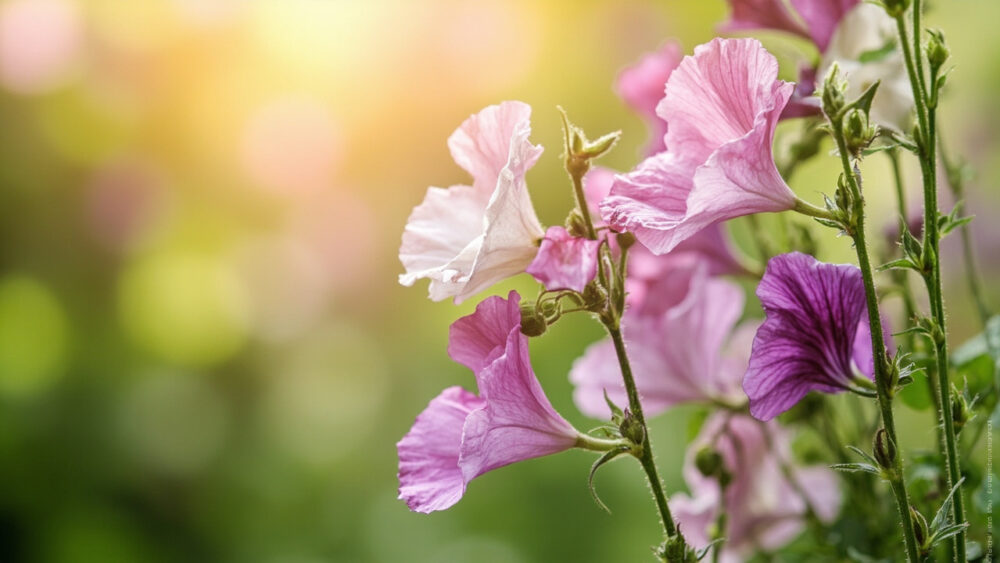
Sweet peas bloom for six to ten weeks, usually starting in late spring to early summer, though the exact window shifts hard depending on your climate and when you planted. In cool coastal or northern gardens, that can mean blooms from May into July or even August. In hot inland climates, the show often starts earlier and ends fast once temperatures climb.
That range is not the whole story, though. The same seed packet planted two different ways can bloom a full six weeks apart, and one mistake at planting time is the reason most people get a short, disappointing flush instead of a long one.
There is also a heat cutoff that catches a lot of gardeners off guard, and it has nothing to do with how well you watered. Stick with me and I will show you how to read your own vines, get more flowers out of the ones you have, and troubleshoot a plant that is all leaf and no bloom. The save-able quick-reference card is waiting at the bottom once you have the full picture.
The Bloom Window and How Long It Actually Lasts
A healthy sweet pea vine blooms for six to ten weeks once it starts, sending up new flower stems every few days as long as conditions stay favorable. Fall-sown plants in mild-winter regions (roughly zones 7 through 9) often start blooming in early to mid spring and can run eight or more weeks before heat shuts them down.
Spring-sown plants in colder zones typically start six to eight weeks after sowing and bloom through early to mid summer, sometimes stretching into August if you keep them cool and picked.
The bloom season is not one long steady bloom, it is a relay: new buds form continuously at the growing tip while older flowers finish, so the display looks constant even though no individual flower lasts more than a few days.
Next, the part that actually decides where you land in that six-to-ten-week range.
What Really Controls Bloom Timing
Temperature controls sweet peas more than the calendar does. They germinate and grow best in cool soil, want daytime temperatures in the 60s to low 70s F, and start shutting down flower production once days consistently hit the mid 80s and above.
That is why gardeners in hot-summer climates get a shorter bloom season no matter how early they plant. The vine is racing the heat, not the clock.
Day length matters too. Sweet peas are somewhat day-length sensitive, and plants that go into winter with a strong root system before long days arrive tend to bloom earlier and longer than ones started late and forced to bloom and bulk up at the same time.
If you assumed a later planting just means a later bloom, that guess is only half right. A late-started plant often blooms on a similar schedule but for far fewer weeks, because it hits the heat wall at the same time everyone else’s vines do.
So timing sets the stage, but daily habits decide how much you actually get to cut.
How to Get More Flowers, and a Longer Show
Pick constantly. This is the single biggest lever you have. Sweet peas bloom to set seed, and once a flower is allowed to form a pod, the vine reads that as mission accomplished and slows new bud production. Cut every open stem, even for the compost pile if you have no one to give them to.
Feed lightly but consistently. A phosphorus-and-potassium-leaning fertilizer (skip heavy nitrogen, which pushes leaves over flowers) every few weeks keeps buds coming.
Water at the root, deeply, once or twice a week rather than a daily sprinkle. Sweet peas have a deep taproot and shallow, frequent watering encourages a weak root system that fades fast once heat arrives.
Mulch the base to keep roots cool. Since heat is what ends the bloom season, anything that buys the root zone a few extra cool weeks buys you extra flowers.
Full sun helps too, at least six hours, though in genuinely hot climates a little afternoon shade actually extends bloom by delaying the heat shutdown.
Get those five habits right and you are already ahead of most gardeners, but a plant that will not bloom at all needs a different conversation.
Why Your Sweet Peas Might Not Be Blooming
Too much nitrogen is the most common cause. Rich compost or a lawn-type fertilizer nearby produces a huge, dark green, vigorous vine that puts all its energy into leaves and tendrils and skips flowers almost entirely.
Not enough sun is next. Sweet peas grown against a shady fence or under trees will vine and vine looking for light and bloom sparsely, if at all.
Heat arriving before the plant matured is common with late spring sowings in warm climates. If the vine is small and thin and the weather is already hot, it may simply run out of time.
Root stress from tight pots or a rootbound start is another quiet cause, since that taproot does not like being disturbed or cramped.
- Lush green growth, few or no flowers: cut back nitrogen, add a bloom-boosting feed instead.
- Thin, pale, stretched vines: move to more sun or thin out crowded plants.
- Buds form then brown and drop: usually heat stress or inconsistent watering.
Fix the cause and most sweet peas recover within a couple of weeks, but there is one more habit that decides how the whole season ends.
Deadheading and Aftercare That Stretch the Season
Deadhead anything you did not cut for a bouquet. A spent flower left on the vine will swell into a pod within days, and pods are the real bloom-killer, far more than any single missed watering.
Check every few days during peak bloom and snip any flower that has started to fade before it can set seed.
Keep climbing supports secure. A vine that flops or tangles puts energy into righting itself instead of budding, so trellis or netting installed at planting time pays off in flower count later.
When heat finally does end the season, pull the plants rather than letting them limp along, since sweet peas do not rebound once they have bolted to seed in hot weather. Save that space for a heat-loving summer flower instead.
That is the whole cycle, start to finish, and here is the short version to save before you go.
Sweet Peas: Quick Reference
- Core bloom window: late spring through mid summer for most gardeners, six to ten weeks of active flowering once blooming begins.
- Fall-sown, mild climates: can bloom early to mid spring and run eight or more weeks before heat ends the show.
- Spring-sown, cold climates: typically bloom six to eight weeks after sowing, running into early or mid summer.
- Ideal temperature range: 60s to low 70s F, with bloom slowing hard once days hit the mid 80s and up.
- Biggest flower-boosting habit: cut or deadhead constantly so the vine never sets seed pods.
- Most common no-bloom cause: too much nitrogen, producing a lush leafy vine with few flowers.
- End of season sign: sustained heat, yellowing lower leaves, and pods forming despite deadheading.
Get the timing and the cutting habit right, and a single sweet pea sowing can fill a vase every few days for close to two months.
After that, it is the heat that decides, not you.