The most common reason dahlias won’t bloom is too much nitrogen or not enough sun, and both fixes are simple: cut back on high-nitrogen fertilizer and make sure the bed gets at least six to eight hours of direct sun. If the plant looks lush, green, and huge but just will not flower, that’s almost always your answer. If dahlias not blooming is the problem staring at you right now, though, there are five or six other culprits worth ruling out before you touch the fertilizer at all.
Most people blame the tubers first, assuming they got a bad batch or planted them upside down. That is rarely the issue once a plant is up, leafy, and healthy looking. The real cause usually shows up in a detail you can check in under a minute: where the new growth is happening, how dark the leaves are, and whether you’ve been deadheading spent blooms or letting them dry on the stem.
Some of these causes fix themselves in two to three weeks. Others cost you the whole season. I’ll tell you honestly which is which, and at the very bottom there’s a two-minute diagnosis checklist you can run right at the plant to land on your answer.
Most Likely Causes, Ranked
1. Too much nitrogen
Confirm it: the foliage is dark green, thick, and vigorous, almost too healthy looking, with few or no buds forming even on a plant that’s been in the ground eight weeks or more. Check what you’ve been feeding it. Lawn fertilizer runoff, compost heavy in fresh manure, or a balanced all-purpose feed applied too often will all push leaf growth at the expense of flowers.
Fix it: stop nitrogen-heavy feeding immediately. Switch to a fertilizer lower in nitrogen and higher in phosphorus and potassium, something like a 5-10-10 ratio, applied every three to four weeks through summer. Bud formation usually picks up within two to three weeks of the switch.
If your dahlia looks perfectly fine except for the flowers, this is where to look first.
2. Not enough sun
Confirm it: the plant is tall, a little floppy or stretched, with growth leaning toward one direction, and leaf color is a normal green rather than dark. Dahlias need six to eight hours of direct sun to flower well. Four or five hours will keep a plant alive and green but rarely pushes it into heavy bloom.
Fix it: if it’s in a container, move it. If it’s in the ground and shaded by something temporary, like a neighboring plant that’s since filled in, prune back what’s blocking light. A permanent shade problem, like a tree canopy that’s grown in, means relocating the tubers next season is the real fix.
Sun and nitrogen cause the same symptom from two different directions, which is exactly why the next culprit trips people up.
3. Not deadheading, or letting seed pods form
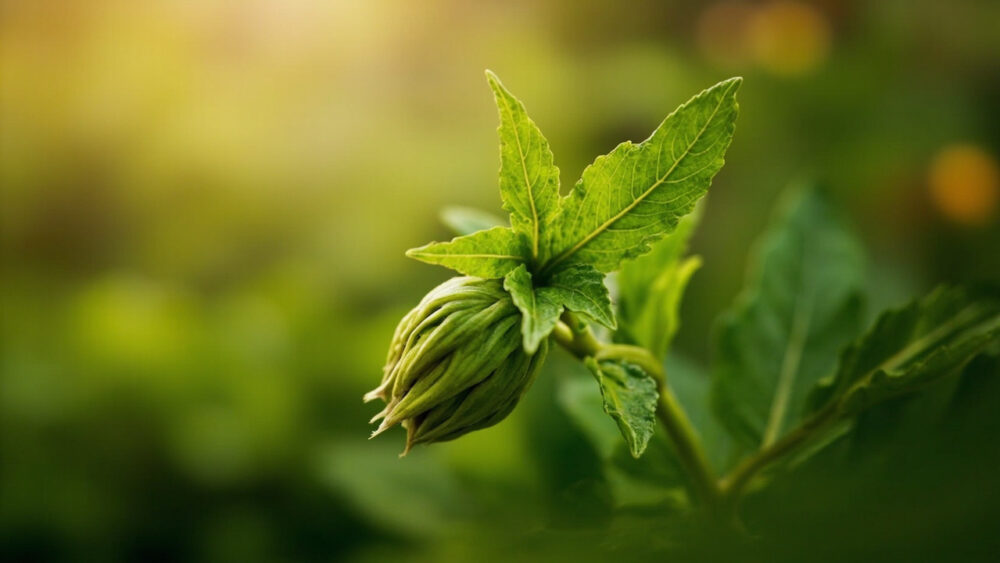
Confirm it: look closely at spent blooms. If you see round, hard, pointed buds forming just behind faded flowers, those are seed pods, not new flower buds. New flower buds are rounder and softer at the tip. A plant that’s been left to form seed pods will slow down and eventually stop producing new blooms almost entirely.
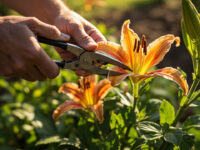
Fix it: deadhead ruthlessly. Cut spent blooms off just above the next leaf set, not just the flower head, since dahlias branch and rebloom from that junction. Do this weekly through the season.
This one is sneaky because the plant looks totally healthy right up until it just quits flowering.
4. Tubers planted too late, or too shallow and stressed
Confirm it: the plant is smaller than expected for its age, went into the ground later than usual, or you planted the tuber less than 4 to 6 inches deep in a warm climate. Dahlias generally need 90 to 120 days from planting to first bloom depending on variety. A late start means blooms may not show until late summer or not at all before frost.
Fix it: nothing fixes this season’s timing once the tuber is in the ground late, but you can plant earlier next year, right around your last frost date once soil has warmed to at least 60°F. In the meantime, keep the plant healthy so it has the best shot at blooming before fall.
Timing problems are frustrating because there’s no shortcut, only patience or a better plan next spring.
5. Heat stress in high summer
Confirm it: the plant stalled on flowering specifically during the hottest weeks of summer, with daytime temperatures regularly above 85 to 90°F, then started budding again once things cooled slightly. Dahlias genuinely slow bud production in extreme heat, especially combined with dry soil.
Fix it: keep soil evenly moist with deep watering two to three times a week in hot stretches rather than light daily sprinkling, and mulch to keep root zones cooler. Afternoon shade in the hottest climates helps more than people expect.
This cause resolves itself with the weather, which makes it one of the least worrying on this list.
6. Poor tuber quality or a weak division
Confirm it: the plant emerged small, weak, or slow from the start, with thin stems and sparse foliage compared to other dahlias in the same bed getting identical care. Small or shriveled tuber divisions, or ones without a healthy eye, often produce a weak plant that never gathers enough energy to bloom.
Fix it: there’s no fixing a weak tuber mid-season. Keep it fed and watered and see what happens, but plan to source larger, firmer divisions with visible eyes next year.
If everything else checks out and the plant just seems underpowered, this is the quiet explanation.
How to Tell the Causes Apart
Look at where the problem shows up. Dark, oversized leaves with no buds points to nitrogen. Normal green color with a stretched, leaning habit points to low light. A plant that blooms fine early then stops abruptly usually means seed pods were left on. A plant that’s simply behind schedule all season points to late planting or a weak tuber.
Heat stress is the easiest to place on a timeline, since it tracks directly with the hottest weeks of summer and eases as temperatures drop.
Once you’ve matched the pattern, the fix is usually just a matter of committing to it for a few weeks.
Will It Recover?
Nitrogen and light problems recover well, usually within two to four weeks once you correct feeding or exposure. These are the most fixable causes on this list.
Deadheading neglect also recovers, though it takes discipline. Once you start removing spent blooms consistently, new buds typically return within two to three weeks.
Late planting and weak tubers are the honest exceptions. Nothing accelerates a tuber’s internal clock, and a genuinely weak division may never produce much this season. Heat stress resolves on its own as temperatures drop, so patience is the whole fix there.
Knowing which category you’re in tells you whether to keep working the problem or just wait it out.
How to Keep It From Happening Again
Feed with bloom-supporting fertilizer, not all-purpose, starting once plants are 12 to 15 inches tall, and skip nitrogen-heavy feeds entirely after early growth.
Plant tubers 4 to 6 inches deep once soil has warmed past 60°F, and choose a site with a full six to eight hours of direct sun before you dig the hole, not after.
- Deadhead weekly once blooming starts, cutting back to the next leaf junction.
- Water deeply two to three times a week rather than a little every day, especially in heat.
- Divide and store tubers properly over winter, discarding any shriveled or soft divisions come spring.
Get the sun, timing, and feeding right at planting, and most bloom problems never show up at all.
Diagnosis Checklist
- Check leaf color and size: if unusually dark, thick, and lush with no buds, suspect too much nitrogen.
- Check daily sun exposure: if less than six hours of direct light, suspect low light before anything else.
- Check spent blooms for hard, pointed seed pods: if present, start deadheading weekly.
- Check planting date and depth: if planted late or shallower than 4 inches, expect delayed blooms this season.
- Check the calendar against the heat: if the stall lines up with the hottest weeks, expect it to ease as temperatures drop.
- Check overall vigor against neighboring dahlias: if noticeably weaker from the start, suspect a poor tuber division.
- Match your findings to the fix, commit to it for three full weeks, then reassess.
Dahlias are generous bloomers once the basics are right, but they will not argue with bad sun or too much nitrogen.
Fix the cause, give it a few weeks, and the buds usually follow.