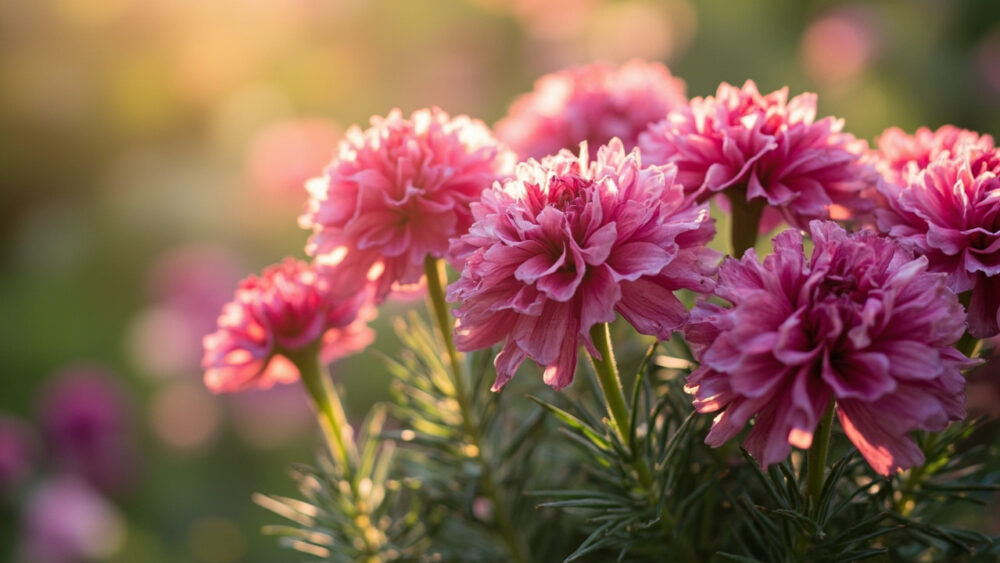
Most dianthus are perennials, and yes, they come back year after year in USDA zones 3 through 9, usually returning as new growth at the base of the plant once the weather warms in spring. Some kinds are true short-lived perennials that fade out after two or three years even with perfect care. A few types sold at garden centers are actually biennials or grown as annuals in colder zones, and they will not return at all.
Which one you have changes everything about what happens to your plant this winter, and most people cannot tell just by looking at the tag. There is also a mistake almost everyone makes in late summer that quietly kills off plants that would otherwise have come back fine.
Stick with me through the zone breakdown, the winter reality check, and the exact moves that get you another season of blooms, because the save-able quick-reference card is waiting at the bottom.
So Is Your Dianthus Actually a Perennial?
The genus Dianthus covers a wide range of plants, and nurseries blur the lines constantly. Garden pinks (Dianthus plumarius) and cheddar pinks (Dianthus gratianopolitanus) are dependable perennials, often hardy to zone 3 or 4. Sweet William (Dianthus barbatus) is technically a biennial, it grows leaves the first year and blooms the second, then usually declines.
Many of the ruffled, brightly colored dianthus sold in six-packs at big box stores in spring are hybrids bred for a huge first-year bloom show. They are gorgeous but genetically short-lived, and some gardeners in colder zones simply grow them as annuals.
Check the plant tag or receipt if you kept it. If it just says “dianthus” with no species name, treat it as a one-to-three-year plant and be pleasantly surprised if it goes longer.
Your zone decides whether that perennial nature ever gets a chance to show up.
The Zone Breakdown That Actually Matters
In zones 4 through 8, established dianthus reliably survive winter outdoors with no special help, as long as drainage is decent. In zone 3, hardy types like cheddar pinks and garden pinks usually make it through with a light mulch, but the flashier hybrids are a gamble.
In zones 9 and up, winter is not the problem, summer is. Dianthus hate hot, humid nights, and many plants decline or rot in their second summer even though the cold never touched them.
Containers change the math everywhere. A pot freezes solid faster and deeper than garden soil, so a dianthus that would sail through winter in the ground can die in a pot in the same yard.
Knowing your zone tells you the odds, but your own plant will show you the real answer next spring.
What Actually Happens Over Winter
Above ground, dianthus foliage typically goes semi-evergreen in mild zones and dies back to a low mat of grayish-green leaves in colder ones. That low mat is normal and is not a sign of failure.
If the center of the plant turns black or mushy going into winter, that is crown rot from wet soil, not cold, and that plant will not return regardless of zone. Dry, straw-colored foliage that stays intact is fine and expected.
Do not judge the plant by how it looks in January. Judge it by what the crown looks like once soil temperatures climb back above roughly 50°F in spring.
New growth at the base, even tiny, is the only signal that actually counts.
How to Help Yours Come Back
Drainage is the single biggest factor in dianthus survival, more than mulch, more than variety. Wet feet in winter kill more dianthus than cold ever does.
Here is the routine that gets the best odds of a second and third season:
- Plant or transplant in soil that drains fast, raised beds or slightly mounded rows if your soil is heavy clay.
- Stop deadheading and shearing by roughly six weeks before your average first frost, so the plant stops pushing soft new growth right before cold hits.
- Cut back to about 2 to 3 inches of foliage after a hard frost has knocked the plant back, not before.
- Apply a light, loose mulch, straw or pine needles work well, only after the ground has started to cool, never while it is still warm and wet.
- Pull mulch back in early spring as soon as new growth starts, since piled mulch against wet crowns in spring causes the same rot problem as winter.
The one mistake that ruins most attempts is shearing hard in early fall thinking you are “cleaning up,” which forces tender new growth right before frost kills it back to nothing.
Get the timing right and even a marginal-zone dianthus has a real shot at spring.
When Treating It as an Annual Is Honestly Smarter
If you are in zone 9 or warmer, or your soil stays heavy and wet all winter no matter what you do, fighting for perennial behavior from dianthus is often not worth the effort. Buy fresh plants each spring instead and get a bigger, better bloom show for less work.
The same goes for those big ruffled hybrid dianthus bred mainly for first-year color. Expecting three strong years from a plant bred for one spectacular year sets you up for disappointment.
Sweet William gardeners should plan for it too, since a strong bloom this year from a plant that was already growing last year usually means this is its final season.
Treating a short-lived plant as an annual on purpose is not failure, it is just matching your expectations to what the plant actually is.
Whichever path fits your yard, here is everything in one place to save before you walk away.
Dianthus: Quick Reference
- Core answer: most dianthus are perennials and return in zones 3 through 9, but some hybrids and Sweet William are short-lived or biennial and will not.
- Best odds zones: 4 through 8, where established plants reliably survive winter with no extra protection.
- Riskiest zones: zone 3 for winter cold, zone 9 and up for summer heat and humidity, not winter.
- Biggest killer: wet soil and crown rot, not cold temperatures on their own.
- Timing rule: stop deadheading about six weeks before first frost, cut back only after a hard frost, mulch after the ground cools, uncover in early spring.
- Real sign of survival: new green growth at the base of the plant once soil warms in spring, not the look of the foliage in winter.
- When to just replant annually: hot humid climates, poorly draining soil, or big ruffled hybrid varieties bred for one strong season.
Dianthus rewards patience more than fuss, so give it drainage and the right timing and let spring tell you the rest.
Check the crown before you write it off, most plants surprise you.