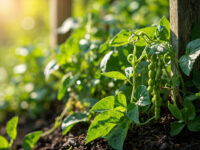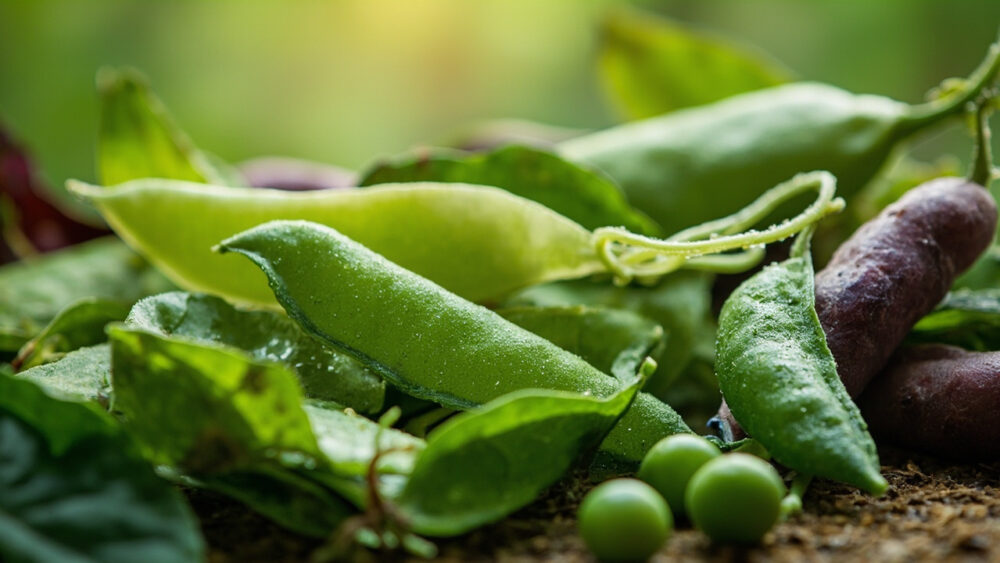
The fastest way to sort out types of peas is by what you eat: shelling peas give you just the seeds, snap peas give you a full edible pod with plump seeds inside, and snow peas give you a flat edible pod eaten before the seeds swell at all. Everything else, from vine height to how early it crops to how much frost it can shrug off, is a variation inside those three groups.
Most people grab whatever pea seed packet has the prettiest photo, which is usually a snap pea, and end up disappointed when their soil or season was never right for it. Meanwhile there is one old-fashioned shelling pea that market growers still plant every year because nothing else holds flavor after picking as well, and most home gardeners have never heard of it.
Down at the bottom, number 13 is the pea most people buy thinking it is a snap pea when it is actually something else entirely, and it trips up a lot of first-timers. After the full list, you will get a short, no-nonsense method for picking the right pea for your space, climate, and how much fussing you actually want to do this spring.
Shelling Peas (English Peas)
These are the classic pod-and-shell peas, grown for the round seeds inside, not the pod itself.
1. Little Marvel
A compact, heavy-yielding shelling pea that tops out around 15 to 18 inches, so it rarely needs support. It matures early, usually 60 to 65 days, and suits gardeners short on trellis space or patience for staking.
2. Wando
The heat-tolerant shelling pea bred for gardeners in warmer zones who still want a spring crop before summer shuts peas down. It handles a bit more warmth at the tail end of the season than most shelling types without turning starchy.
3. Green Arrow
The one market growers plant for flavor that holds after picking, with long pods carrying 9 to 11 peas each. Vines run 24 to 28 inches, need light support, and the yield per plant is noticeably higher than older heirloom shelling types.
4. Lincoln (Homesteader)
An old heirloom shelling pea valued for sweetness and reliability rather than speed, maturing in about 70 days. Vines reach 24 to 30 inches and this one tolerates poorer soil better than most modern hybrids.
Shelling peas reward patience at harvest, but the pod-eating types trade that wait for speed and crunch.
Snap Peas
Snap peas have thick, sweet, fully edible pods with fat seeds inside, meant to be eaten whole, pod and all.
5. Sugar Snap
The original snap pea and still the tallest, climbing 5 to 6 feet on a trellis. It needs real support and takes about 62 to 70 days, but the pods are thick, crisp, and among the sweetest of any pea you can grow.
6. Sugar Ann
A dwarf version of Sugar Snap bred for containers and small beds, staying around 18 to 24 inches with only light staking needed. It matures a week or two earlier than its tall parent, which matters if your springs are short.
7. Cascadia
A snap pea bred for disease resistance, particularly powdery mildew, which is the single biggest thing that ends a pea season early in humid climates. Vines stay a manageable 24 to 30 inches and pods hold their crunch well even if you pick them a day or two late.
8. Super Sugar Snap
An improved Sugar Snap with better resistance to common pea diseases and slightly more vigorous vines. It still wants a tall trellis, 5 feet or more, and rewards gardeners who keep picking every couple of days to keep production going.
If you assumed all flat, crisp-podded peas are the same thing, that guess is exactly what trips people up in the next group.
Snow Peas
Snow peas are picked flat, before the seeds inside swell, and the whole pod is tender enough to eat raw or stir-fried.
9. Oregon Sugar Pod II
The standard snow pea for home gardens, with vines around 24 to 30 inches and good resistance to common wilts. It is forgiving of a late harvest, staying tender a bit longer than older snow pea types before the pods toughen.
10. Mammoth Melting Sugar
A tall, old-fashioned snow pea that climbs 4 to 5 feet and produces large, wide pods with genuinely tender texture, hence the name. It needs a sturdy trellis and suits gardeners who want volume for stir-fries over a long picking window.
11. Dwarf Grey Sugar
A short, ornamental-leaning snow pea with attractive purple flowers on 24 to 30 inch vines, often grown as much for looks as for eating. It is an heirloom, so expect a bit more variability in pod size than modern hybrids.
The tender, snow pea group is where good looks and good eating overlap, but the next category is where confusion actually happens.
Specialty and Field Peas
This group covers peas grown for something other than a fresh dinner plate, and it is where mislabeling causes the most disappointment.
12. Purple Podded Pea
A shelling pea with striking violet pods that turn green seeds inside, mostly grown for visual interest and seed saving rather than heavy eating. Vines run 4 to 5 feet and it is a genuine heirloom, so pod set is lighter than a modern hybrid shelling pea.
13. Sugar Daddy
The pea most people mistake for a true snap pea because of the name, but it is actually a semi-leafless snap type bred with tangled tendrils instead of broad leaves, which lets vines partly support each other. It still benefits from light staking, stays compact at 24 to 30 inches, and is genuinely stringless, which the classic Sugar Snap is not always.
14. Austrian Winter Pea
Not a vegetable pea at all in most gardens, but a cover crop and field pea used to fix nitrogen and protect soil over winter. It is edible as shoots and young peas, but gardeners grow it for soil health, sown in fall in mild climates or early spring further north.
15. Golden Sweet
A yellow-podded snow pea that is as much a curiosity as a crop, with bright golden pods on 5 to 6 foot vines and purple flowers similar to Dwarf Grey Sugar. It is an Asian heirloom type, tender-podded, and a good pick if you want a pea patch that looks as good as it tastes.
Once you can name the type in front of you, picking the right one for your garden comes down to a short checklist.
How to Choose the Right One
- Check your space first: dwarf types under 24 inches need no support, tall snap and snow peas over 4 feet need a real trellis, not just a few sticks.
- Match your climate: cool-spring, hot-summer regions do best with fast, early varieties like Little Marvel or Sugar Ann, since peas stop producing once daytime temperatures push past the mid-80s.
- Decide your purpose before you buy seed: shelling peas for freezing and soups, snap peas for fresh eating and snacking, snow peas for stir-fries and quick cooking.
- Weigh your disease pressure: humid, wet-spring climates favor mildew-resistant types like Cascadia or Super Sugar Snap over older heirlooms.
- Be honest about your care appetite: semi-leafless types like Sugar Daddy need less staking fuss, while tall heirlooms reward more attention with better flavor and yield.
- Plant as soon as soil can be worked and sits around 40 to 50 degrees, since peas germinate in cool soil and sulk once real heat arrives.
Pick based on what you actually plan to cook, not what looks best in the catalog photo, and the rest of the growing season takes care of itself.