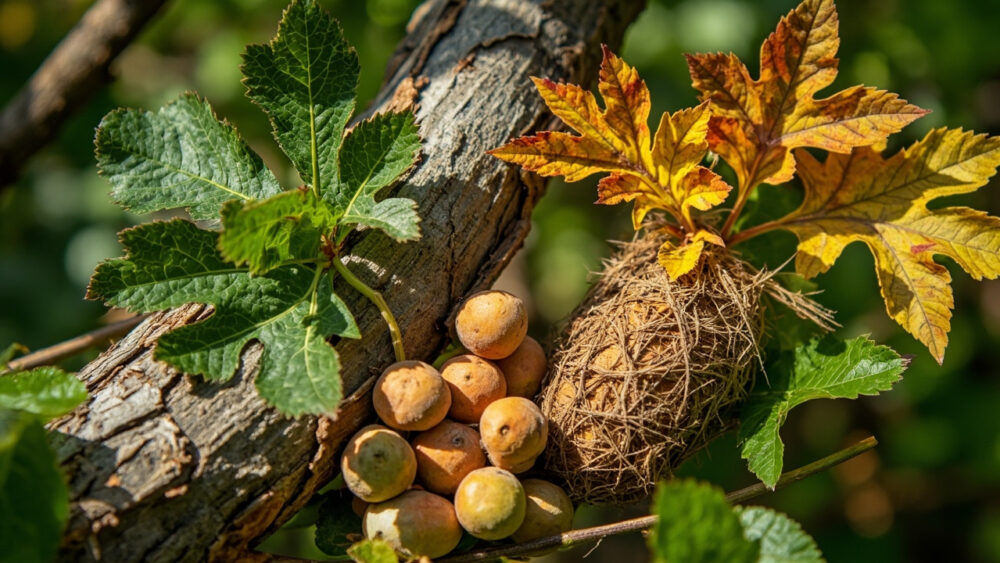
The fastest way to sort types of hickory trees is by their nut husk and bark, not their leaves, since most hickory leaves look like variations on the same theme while husks and bark differ enough to nail an ID from across the yard. Shagbark hickory peels itself into long curling plates. Pecan husks are thin and smooth. Bitternut hickory buds are mustard yellow. Learn those three tells and you can sort out half this list before you even get close to the tree.
Most people who plant a hickory pick a shagbark because it is the famous one, and then spend the next twenty years waiting on a tree that will not produce a real nut crop until it is well past its second decade. That is not a reason to skip it, but it is a reason to know what you are signing up for. The tree experienced growers quietly plant instead is further down this list, and it earns its spot for reasons that have nothing to do with nuts at all.
Stick with me to number 13, which is the hickory most people misidentify on sight and then plant in the wrong spot entirely because of it. The last few entries and a straightforward method for choosing between all fifteen are waiting at the bottom, after you have seen the full range of what this genus actually offers.
The Classic Nut Producers
These are the hickories people plant specifically to harvest, and they reward patience more than any other trait.
1. Shagbark Hickory
Shaggy, curling bark plates that peel away from the trunk in long strips are the signature here, visible even on young trees once they hit ten or fifteen years old. It grows 60 to 80 feet tall, hardy in zones 4 to 8, and produces genuinely sweet, thin-shelled nuts, but expect to wait 15 to 20 years before a meaningful harvest. Full sun and deep, well-drained soil are non-negotiable; this is not a tree for tight urban lots.
2. Shellbark Hickory
The largest nut of any hickoryoften over 2 inches across, comes from the largest tree in the genus, reaching 100 feet in good bottomland soil. It prefers moist, rich sites near streams or floodplains, hardy zones 5 to 8, and tolerates wet feet better than shagbark does. The shell is thick and hard to crack, which is the tradeoff for that size.
3. Pecan
Smooth gray bark and a thin, easily opened husk separate pecan from every hairy-barked cousin on this list. It is the only hickory bred into named cultivars for consistent nut quality, thrives in zones 6 to 9 with long hot summers, and needs another pecan tree nearby for reliable pollination. Northern gardeners in short-season climates will get flowers but often no ripe nuts before frost.
4. Northern Pecan
A cold-hardy pecan strain bred and selected from wild trees growing further north than the classic Southern pecan belt, tolerating zone 5 winters that would kill standard pecan cultivars. Nuts run smaller than Southern pecans but the tree matures a crop in a shorter season. It is the pick for gardeners in the upper Midwest who still want a real pecan harvest.
5. Nutmeg Hickory
A small, sweet nut with a distinctive nutmeg-shaped shell gives this rare Southern species its name, and it is genuinely uncommon in cultivation outside its native range in the lower Mississippi valley. It grows 60 to 80 feet, hardy zones 6 to 9, and is worth seeking out mainly for collectors rather than casual planters since nursery stock is hard to find.
Nut production takes patience, but the next group trades that wait for a harder problem: a nut nobody wants to eat.
The Bitter and Ornamental Types
These hickories are grown for the tree itself, not the nut, and knowing which is which saves you from cracking open a mouthful of tannin.
6. Bitternut Hickory
Bright mustard-yellow winter buds are the single easiest ID mark in this entire list, visible from a distance even in dead winter with no leaves at all. It grows fast for a hickory, 50 to 75 feet, hardy zones 4 to 9, tolerates wetter and less ideal soil than most hickories, but the nut is bitter enough that even squirrels leave it for last. Plant this one for shade and toughness, never for eating.
7. Pignut Hickory
A pear-shaped nut husk that barely splits open at maturity is the tell, and the name is honest: pignut nuts range from mildly bitter to genuinely unpalatable depending on the individual tree. It reaches 50 to 80 feet on dry ridges and rocky slopes where richer soil hickories struggle, hardy zones 4 to 9. Good for naturalizing a tough site, not for a nut orchard.
8. Red Hickory
Reddish inner bark visible when a twig is scraped, plus a nut quality that lands between sweet shagbark and bitter pignut depending on genetics, since red hickory is understood to be a natural hybrid of the two. It grows 60 to 80 feet, hardy zones 5 to 8, and behaves like a slightly smaller, slightly less shaggy shagbark. Most gardeners who have one inherited it rather than planted it on purpose.
9. Mockernut Hickory
An extremely thick husk relative to a small kernel is the joke buried in the name, and it is an accurate one; you do a lot of work for very little edible nut. It tops out around 60 to 80 feet, hardy zones 5 to 9, tolerant of dry rocky soils, and grown mostly for its dense hardwood and shade rather than the harvest.
If nuts were never the point for you, the next category is where hickory earns its keep as a landscape tree.
Landscape and Shade Choices
This is the group experienced gardeners reach for when they want a hickory’s toughness without decades of nut mess on the lawn.
10. Sand Hickory
Small stature for a hickorytypically staying under 60 feet, and genuinely tolerant of dry, sandy, infertile soils where most other hickories sulk. Hardy zones 6 to 9, it is the underrated pick for a Southeastern yard with poor soil that still wants real shade in ten to fifteen years rather than thirty. Nut production is light and inconsistent, which most people planting it consider a feature, not a flaw.
11. Water Hickory
Built for standing water and seasonal flooding along Southern river bottoms, this is the hickory to plant if your lot floods every spring and nothing else woody survives it. It reaches 60 to 100 feet, hardy zones 6 to 9, with a bitter nut nobody bothers harvesting. Choose it for site tolerance alone.
12. Black Hickory
Nearly black, deeply furrowed bark that stays tight rather than shaggy distinguishes this Southern species from its shagbark cousin at a glance. It grows 40 to 60 feet on dry, rocky, upland sites in zones 6 to 9, and its modest size makes it a realistic shade tree for a smaller lot that could never fit a full-size shagbark or shellbark.
The Hybrids and the One Everyone Misreads
Number 13 is here, and it is the tree most people confuse for a pecan until it is thirty feet tall and clearly is not.
13. Hican
A natural hybrid between hickory and pecanhican splits opinion because the nut quality is wildly inconsistent tree to tree, ranging from genuinely excellent to barely worth cracking. The foliage and bark look enough like pecan that people plant it expecting reliable pecan-style production, then get confused when yields are thin and irregular. It grows 60 to 80 feet, hardy zones 5 to 8. Treat any hican as a gamble, and buy from a nursery that can tell you which parent-quality strain you are actually getting.
14. Southern Shagbark Hickory
A warm-climate variant of classic shagbarksometimes called Carolina shagbark, adapted to the humid heat of zones 7 to 9 where standard shagbark can struggle with fungal leaf issues in wet summers. It keeps the same peeling bark and sweet nut, just on a tree better suited to Southern summers. If you love shagbark’s look but garden south of zone 7, this is the version to look for by name at a native plant nursery.
15. Kingnut Hickory
Another name applied to shellbark hickory in some regional nursery catalogsreferring to the same species and its oversized nut, though a few sources use it to distinguish a particularly large-fruited shellbark strain. If a nursery tag says kingnut, ask directly whether it is straight shellbark or a selected large-nut form before you buy, since labeling is inconsistent enough to cause real confusion at point of sale.
How to Choose the Right One
Run through these in order and you will land on the right hickory faster than by comparing leaf shapes all afternoon.
- Measure your space first: shagbark and shellbark need 60 to 80 feet of eventual clearance, sand hickory and black hickory fit smaller lots.
- Match your climate zone: pecan and hican want zones 6 to 9 with long hot summers, Northern pecan and shagbark tolerate zone 4 and 5 winters.
- Check your soil and drainage: water hickory and shellbark accept wet bottomland, sand hickory and pignut accept dry, rocky, poor soil.
- Decide if you actually want to eat the nuts: shagbark, shellbark, pecan, and Northern pecan are worth the wait, bitternut, pignut, and water hickory are not.
- Be honest about your patience: any true nut-bearing hickory needs 10 to 20 years before a real harvest, so plant for the next generation, not this one.
- Buy from a nursery that names the species clearly, especially with hican and kingnut, since mislabeling is common enough to catch experienced buyers off guard.
Hickories reward the long game more than almost any other tree you can plant. Pick one that fits your soil and patience level, and let it do the rest over the next few decades.