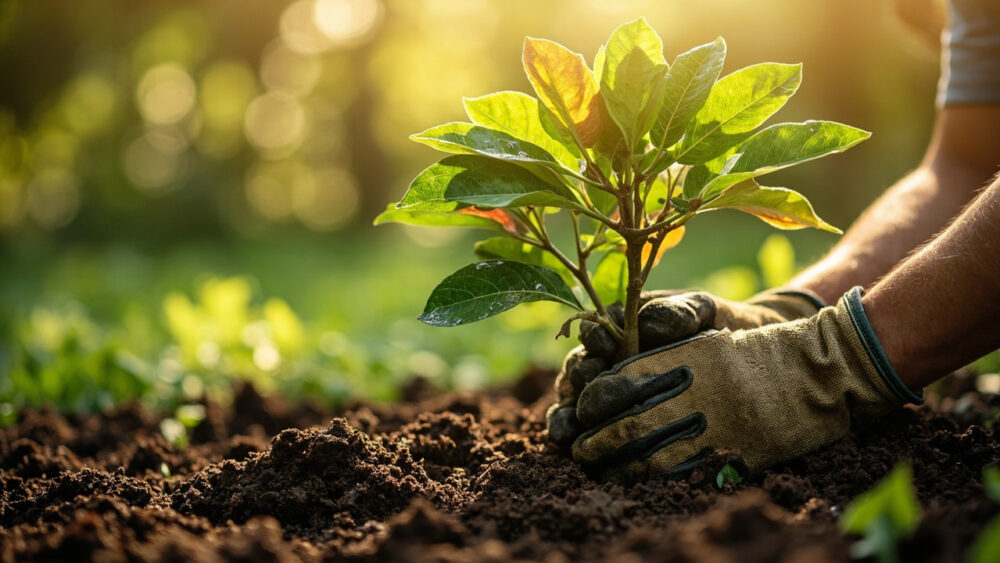
The best time to plant a magnolia tree is fall, about four to six weeks before your ground typically freezes, or early spring after the soil has thawed and warmed but before the tree pushes new leaves. Fall is the better of the two in most of the country because roots keep growing in cool soil even after top growth stops. Nail this window and the tree spends its energy on roots instead of fighting heat or cold, which is the whole game with magnolias.
Most people blow this in one of two ways: they plant in the heat of summer because that is when the nursery display looks irresistible, or they plant a container tree too deep because the root flare is buried in bagged soil and nobody thinks to check. Both mistakes are quiet killers. The tree does not keel over in week one, it just never quite settles in, and by year two you are wondering why it looks tired.
There is also a sign a lot of people misread completely: a magnolia that drops leaves or looks droopy right after transplant is not necessarily dying, and it is not automatically a watering problem either. Stick with this and I will tell you what that sign actually means, plus the prep that matters more than the planting date itself. The saveable at-a-glance card with everything condensed is waiting at the bottom.
The Actual Planting Window, Anchored to Real Conditions
Fall planting works best once nighttime temperatures settle into the 40s and 50s Fahrenheit and the soil is still workable, roughly four to six weeks before your average first hard freeze. That gives roots time to establish before the ground locks up. In much of the country that lands somewhere between mid September and late October.
Spring planting works too, and it is often the safer default in colder zones (5 and below) where a hard winter can heave a fall-planted root ball before it anchors. Wait until soil temperature is reliably above 50°F at a 4 to 6 inch depth and the threat of a hard freeze has passed, which usually trails your last frost date by a couple of weeks.
Summer planting is where most nursery impulse buys happen, and it is the one time of year magnolias genuinely struggle to establish.
How to Read Your Own Yard Instead of a Calendar
Forget the calendar for a second. Squeeze a handful of soil from where you intend to plant. If it forms a muddy ball that won’t crumble, it is too wet and too cold still. If it crumbles easily and feels cool but not cold, you are close.
A soil thermometer pushed 4 to 6 inches down is worth the five dollars. You want it consistently at or above 50°F for spring planting, and still above roughly 45°F for a fall planting so roots have time to work before dormancy.
Watch your local deciduous trees too. When maples and oaks nearby are dropping leaves in fall, or just breaking bud in spring, that is your practical green light in either direction.
Once your soil passes that test, timing stops being the risky part.
Plant Too Early or Too Late, and Here Is What Actually Happens
Plant too early in spring, while soil is still cold and wet, and roots sit stalled in soggy ground. That is when root rot moves in, not because you overwatered but because the tree could not use the water fast enough. The tree survives, often, but stunted and yellow-leafed for a full season.
Plant too late in fall, right before a hard freeze, and the root ball never anchors before winter. Frost heave can actually lift a shallow-rooted magnolia right out of the ground over winter, exposing roots to killing cold.
Plant in the heat of summer and you are asking a stressed, still-adjusting root system to support full leaf transpiration in 85°F-plus heat. This is where that post-transplant leaf drop and droop comes from, and here is the part most people get wrong: it is usually not underwatering. It is the tree shedding leaf surface on purpose to cut water loss while roots catch up. Keep soil evenly moist, do not panic-feed it, and give it two to three weeks before judging.
Timing avoids that stress entirely, but a little prep beforehand makes the window even more forgiving.
What to Do Before the Window Opens
Pick the spot months ahead if you can. Magnolias want full sun to light shade, at least 4 to 6 hours of direct sun, and they hate having their roots disturbed later, so get the location right the first time.
Dig the hole only as deep as the root ball and two to three times as wide. The most common planting mistake I see, more than timing itself, is burying the root flare, that slight swell where trunk meets roots. It needs to sit at or slightly above grade, not under an inch of extra soil or mulch.
Loosen the surrounding soil so roots do not stay trapped in a hole-shaped bathtub. Skip heavy fertilizer at planting time, it pushes leaf growth the roots cannot yet support. A 2 to 3 inch mulch ring, kept off the trunk itself, does more good than any bagged amendment.
- Space standard magnolias 15 to 25 feet from structures and other large trees, depending on the variety’s mature spread.
- Water deeply right after planting, then keep soil consistently moist, not soggy, for the first full year.
- Stake only if the site is windy, and remove the stake after one growing season.
Get the hole and the flare right, and the calendar does most of the rest of the work for you.
Zone and Region Notes Worth Knowing
In USDA zones 7 through 9, where most Southern and mid-Atlantic magnolias like Southern magnolia and saucer magnolia thrive, fall planting is genuinely the better default. Winters are mild enough that root establishment continues most of the season.
In zones 4 through 6, spring planting is usually the safer call, since a harsh winter following fall planting can undo a root system that has not had time to anchor. Star magnolia and some of the hardier hybrids handle these zones best.
Coastal and humid Southern gardeners should also watch drainage more than timing. Magnolias tolerate a lot, but they do not forgive a low spot that stays wet through winter.
Wherever you garden, the same at-a-glance basics apply, and here they are in one place.
Magnolia Trees at a Glance
- When to plant: fall, four to six weeks before average first hard freeze, or early spring once soil holds steady above 50°F.
- Soil check: crumbly, cool but not cold, never a muddy ball when squeezed.
- Planting depth: root flare at or slightly above grade, hole no deeper than the root ball.
- Spacing: 15 to 25 feet from buildings and other large trees depending on mature spread.
- Sun needs: full sun to light shade, at least 4 to 6 hours direct sun.
- Zones 7 to 9: favor fall planting for a longer root establishment window.
- Zones 4 to 6: favor spring planting to avoid winter frost heave on unestablished roots.
Get the timing and the flare depth right and almost everything else forgives itself. A magnolia planted well settles in quietly and just gets on with growing.