Most magnolia trees grow 1 to 2 feet per year, which puts them in the moderate camp, not fast and not painfully slow. A few varieties push closer to 3 feet a year under good conditions, and a handful of the slower, showier types barely manage a foot. So how fast do magnolia trees grow in your yard specifically depends on which magnolia you planted, and that answer changes everything else.
The variety you have is the biggest loop to close here, because a saucer magnolia and a Southern magnolia are not playing the same game at all. There is also the question everyone gets wrong: a magnolia that looks like it is doing nothing for two years is not necessarily failing, it is doing something you cannot see yet.
Stick around for the stage-by-stage timeline, the honest list of what actually speeds growth up (and the popular tricks that do not), and a save-able quick-reference card at the bottom with the core numbers in one place.
The Realistic Growth Rate, Honestly Stated
Across the board, magnolias average 12 to 24 inches of new growth a year once established. That is the range you should plan around for budgeting patience and picking a planting spot.
Faster growers like the saucer magnolia (Magnolia x soulangeana) and the tulip magnolia can hit the top of that range or slightly beyond in their vigorous young years. Southern magnolia (Magnolia grandiflora) usually sits mid-range, steady but unhurried. Star magnolia and the smaller Little Gem cultivar are the slow end, often closer to 6 to 12 inches a year.
None of these numbers apply in year one after planting, and that is the part almost nobody expects.
What Actually Controls the Speed
Variety sets the ceiling, but conditions decide how close you get to it. Two identical saucer magnolias planted the same week can end up a foot apart in height after five years for reasons that have nothing to do with luck.
Sun matters more than most people assume. Magnolias planted in full sun to light shade push noticeably more growth than ones tucked against a shady north wall.
Soil is the other lever. Magnolias want soil that is rich, slightly acidic, and drains well but never dries to dust. Heavy clay that stays soggy or thin sandy soil that dries out fast will slow a magnolia down no matter how good the variety’s reputation is.
Climate zone plays a role too. Magnolias in warmer zones (7 through 9) grow through a longer season and generally outpace the same variety struggling through a short, cool season further north.
Get the site right and the tree does most of the rest of the work itself.
Stage by Stage: What to Expect and When
Here is the timeline broken into the stretches that actually matter to someone watching their own tree.
- Year 1: Almost no visible top growth. The tree is rebuilding roots lost at transplant, and this stall is normal, not a warning sign.
- Years 2 to 3: Growth picks up to 1 to 2 feet a year as roots establish and the tree settles in.
- Years 4 to 10: The fastest stretch of the tree’s life. This is when you see the steadiest annual gains and the shape start to fill in.
- First bloom: Most magnolias flower within 5 to 10 years from planting, though some grafted saucer and star magnolias can bloom in as little as 3 to 5 years.
- Maturity: Depending on variety, a magnolia reaches its mature height anywhere from 10 to 25 years after planting, then growth slows to a crawl as the tree shifts energy into maintenance rather than expansion.
If you assumed a magnolia that is not blooming yet must be unhealthy, that guess is usually wrong.
How to Speed It Up (And What Wastes Your Time)
You cannot make a magnolia grow twice its natural rate, but you can absolutely keep it from underperforming its own potential.
Water consistently the first two years. A deep soak once a week during dry spells beats frequent shallow watering and does more for root establishment than anything else on this list.
Mulch 2 to 3 inches deep out to the drip line, keeping it off the trunk. This holds moisture and keeps roots cooler in summer, which magnolias appreciate.
Feed lightly in spring with a balanced, slow-release fertilizer formulated for trees or acid-loving plants, and only once the tree is past its first year. Skip heavy nitrogen pushes, they force soft, weak growth that winter damages easily.
What does not work: pruning hard to “stimulate” growth. Magnolias heal slowly and resent heavy cuts, and this habit sets a tree back more than it helps. Overwatering does not speed things up either, it just drowns roots and invites rot.
The honest fix for a slow magnolia is almost always patience plus consistency, not a product.
When Slow Growth Is Normal, and When It Is a Problem
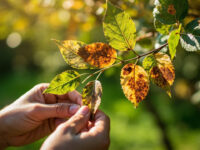
A magnolia adding less than 6 inches a year, no new leaves in spring, or leaves that are pale, small, or dropping early is telling you something is actually wrong, not just that it is being a slow variety.
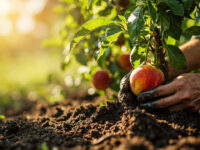
Check the planting depth first. Magnolias planted too deep, with the root flare buried under soil, will sulk for years and never hit their stride. This is one of the most common, and most fixable, causes of a stalled tree.
Also rule out compacted or waterlogged soil, root damage from nearby construction or trenching, and simple underwatering during the first two summers. Any of these will flatten growth well below the normal range.
If the tree is otherwise green, adding some new growth every year even if modest, and holding its leaves through the season, it is fine. Some magnolias are just built slow, and that is not a symptom of anything.
Here is everything from above condensed into one card you can save.
Magnolia Trees: Quick Reference
- Average growth rate: 12 to 24 inches per year once established, varying by type.
- Fastest varieties: saucer magnolia and tulip magnolia, up to 2 to 3 feet a year in good conditions.
- Slower varieties: star magnolia and Little Gem, often 6 to 12 inches a year.
- Year one: expect little to no visible growth while roots establish, this is normal.
- First bloom: typically 5 to 10 years from planting, sometimes 3 to 5 years for grafted types.
- Best conditions for speed: full sun to light shade, rich slightly acidic soil, consistent moisture, and zones 7 through 9 for the longest growing season.
- Biggest slowdown culprit: planting too deep so the root flare is buried, along with waterlogged or compacted soil.
Magnolias reward patience more than intervention. Give a young tree two seasons to settle in and the growth you’re waiting for tends to show up on its own.