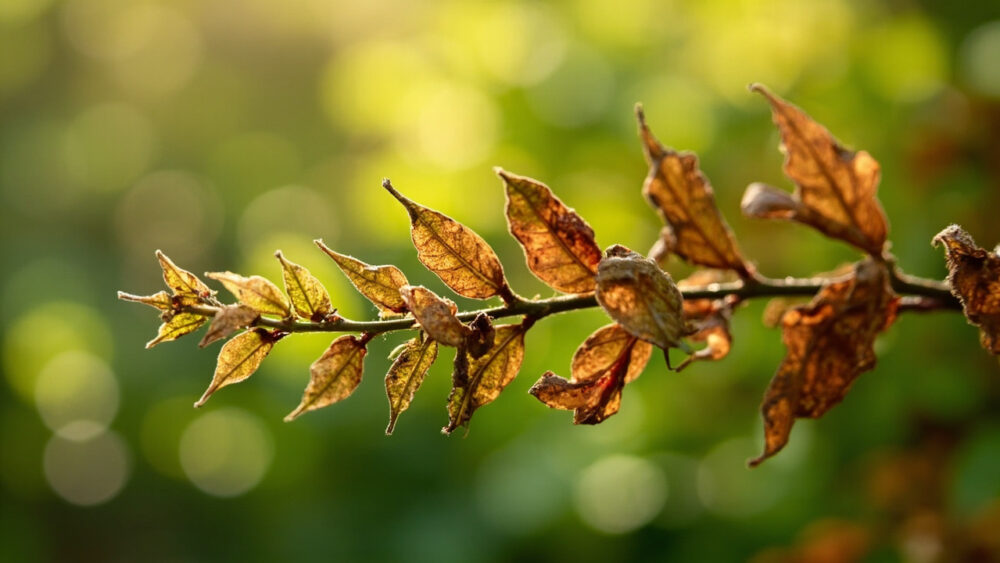
Most spirea leaves turning brown come down to one of two things: dry roots or a fungal leaf spot, and you can usually tell which by touching the soil before you touch the leaves. If the soil an inch or two down is dust dry and the browning starts at leaf edges and tips, water is your problem. If the soil is damp and the brown spots are round with a yellow ring, spreading from the inside of the shrub outward, you are dealing with a fungus, not thirst.
Everyone blames the sun first, especially on a shrub sitting in full afternoon light, but scorch is actually one of the less common causes once you rule out watering and disease. The real tell is usually somewhere specific on the plant: which leaves went first, whether it is old growth or new growth, and whether the pattern is scattered or spreads from one point. That single detail narrows this down fast.
Whether your spirea bounces back depends entirely on which cause you have, and the honest answer ranges from “fully recovers in two to three weeks” to “this branch is done, move on.” Stick around for the tell-apart guide and the two-minute diagnosis checklist at the bottom, it is built to run right at the plant with your hands still in the dirt.
Causes, Most to Least Likely
1. Underwatering or drought stress
This is the most common cause, especially on spirea planted in the last one to two years or growing in fast-draining, sandy soil. Confirm it by pushing a finger two inches into the soil near the root zone. If it comes out dry and crumbly, and the browning starts at leaf margins and tips before creeping inward, that is drought stress talking. Fix it with a slow, deep soak, roughly one to one and a half inches of water delivered over a few hours rather than a quick surface sprinkle, then check soil moisture every two to three days until you see new growth flush green.
Get the water right and you fix most of what you are looking at right now.
2. Fungal leaf spot
Spirea is prone to a handful of leaf spot fungi that show up as small round or irregular brown spots, often with a yellow halo, usually worse after a wet spring or a stretch of humid weather. Confirm it by looking for spots scattered across leaves at different ages, sometimes with a slightly fuzzy or dark center, rather than uniform browning from the edges. It tends to start on lower, older leaves and climb upward. Fix it by removing and disposing of affected leaves and fallen debris underneath the shrub, improving air circulation with a light thinning prune, and watering at the soil line instead of overhead. If it is heavy or recurring every year, a fungicide labeled for ornamental leaf spot can help; follow the product label exactly on timing and rate.
Fungal spot rewards patience and airflow more than any spray.
3. Overwatering or poor drainage
Less common than drought stress but easy to miss because the symptom looks similar: brown, sometimes mushy patches on leaves, often paired with yellowing and leaf drop. Confirm it by checking the soil at root depth. If it is soggy, dark, and smells faintly sour, or if the spirea sits in a low spot where water pools after rain, drainage is the issue, not a lack of water. Fix it by holding off watering until the top few inches dry out, and if the site stays wet for days after a normal rain, plan to improve drainage or move the shrub to higher ground next dormant season.
Too much water rots roots quietly before the leaves ever show you why.
4. Transplant stress
A spirea moved or planted within the last few months browns easily while its root system reestablishes, especially if it went in during a hot stretch. Confirm it by checking the planting date and looking for even, all-over browning on a shrub that otherwise looks structurally fine, no spots, no pattern, just tired. Fix it with consistent moisture, a two to three inch mulch ring kept off the stems, and patience. Skip fertilizer until you see fresh growth; feeding a stressed root system does not speed recovery.
New transplants sulk before they settle, and that sulking looks a lot like disease if you do not know the planting history.
5. Sunscorch or heat stress
Real, but overblamed. Confirm it by checking for browning concentrated on the side of the shrub facing full afternoon sun, especially after a sudden heat spike, with crisp, papery brown edges rather than spots. Interior and shaded leaves usually stay green. Fix it with deep, consistent watering through hot stretches and, if the shrub is newly planted in a harsh full-sun spot, light afternoon shade for its first season.
If the browning is one-sided and sun-facing, you can stop looking for a disease.
6. Root-bound or old, declining shrub
On a spirea several years old that has never been divided or renovated, general browning and dieback can simply mean it has outgrown its root space or is reaching the end of a healthy cycle for that planting. Confirm it by checking for reduced flowering, thin canes, and dieback concentrated in the oldest, woodiest stems at the center. Fix it with a hard renovation prune, cutting the whole shrub back to four to six inches above the ground in late winter or very early spring. Spirea handles this rejuvenation well and typically rebounds within one growing season.
Sometimes the fix is not gentler care, it is a hard reset.
How to Tell the Causes Apart
Where it starts matters more than how bad it looks. Drought stress begins at leaf edges and tips. Fungal spot begins as scattered round lesions on lower leaves. Overwatering shows as mushy, dark patches often paired with yellowing. Transplant stress is even and all-over on a recently moved plant. Sunscorch is one-sided, facing the sun. Old-shrub decline concentrates in the woody center, not the leaf surface.
Old leaves versus new growth is your second clue. Fungal spot and old-age decline hit older, lower, or interior growth first. Drought and sunscorch hit whatever is most exposed, often new growth at the tips first.
Once you know where and when it started, the fix stops being a guess.
Will It Recover?
Drought stress: full recovery is likely within two to three weeks of correct watering, as long as roots have not been dry long enough to die back.
Fungal leaf spot: the current damaged leaves will not turn green again, but the shrub itself recovers fully once you remove infected material and improve airflow. Expect clean new growth the following season.
Overwatering: recoverable if caught early and drainage is corrected. If roots have been sitting wet for weeks and canes feel soft or pull loose at the base, that section is likely lost.
Transplant stress: recovers over one growing season with steady moisture. Cut losses only if canes are dry and brittle all the way to the base by midsummer.
Old, declining shrubs bounce back strongly after a hard renovation prune, often flowering better the following year than they did before.
Most causes here are fixable, but only if you catch them before the roots themselves are damaged.
How to Keep It From Happening Again
Consistent watering beats occasional deep watering beats frequent shallow watering, every time. Aim for about one inch of water a week during active growth, adjusted up in heat and down in rain, delivered slowly at the base.
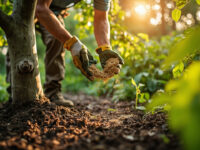
Mulch two to three inches deep out to the drip line, kept a few inches clear of the stems, to buffer soil moisture swings and cut down on fungal spores splashing up from bare soil.
Prune for airflow every year or two, thinning crowded interior canes so leaves dry quickly after rain or dew, which is the single best defense against leaf spot returning.
Plant new spirea in soil that drains within a few hours after a heavy rain, not somewhere water visibly stands.
Get these habits right once and you will spend far less time diagnosing brown leaves next season.
Diagnosis Checklist
- Push a finger two inches into the soil near the root zone: if dry and crumbly, suspect drought stress first.
- If the soil is damp or soggy instead, check for a sour smell or standing water: if present, suspect overwatering or poor drainage.
- Look closely at individual brown areas: if you see round or irregular spots with a yellow ring, suspect fungal leaf spot.
- Note which leaves are affected: if it is mainly lower, older, interior leaves, lean toward fungal spot or old-age decline.
- Note if it is mainly new growth or leaf tips and edges, lean toward drought stress or sunscorch.
- Check if browning is one-sided and facing the sun: if so, confirm sunscorch and rule out disease.
- Check the planting date: if the shrub went in within the last few months, weigh transplant stress heavily.
- Check the shrub’s age and structure: if it is several years old with thin, woody, unproductive center canes, consider it due for a renovation prune.
- Match your findings to the fix in the matching section above, and apply only that fix before trying anything else.
Run this checklist once and you will know exactly which spirea problem you are actually holding.
Fix the right cause and most spirea forgive you fast, they are tougher shrubs than their browning leaves make them look.