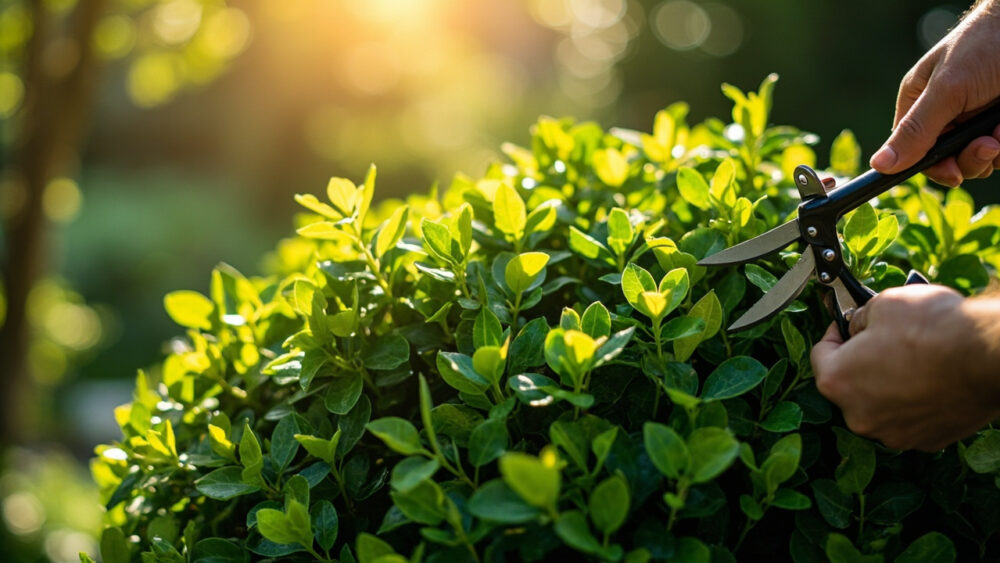
Boxwood care comes down to four things: well-drained soil, consistent moisture without soggy roots, filtered or partial sun in hot climates, and a light annual trim instead of a hard yearly buzz cut. Get those four right and a boxwood will sit there looking good for decades with almost no drama. Get one wrong, usually the drainage, and you will spend years fighting a shrub that never quite dies but never looks right either.
Most boxwood problems trace back to one mistake: planting it too deep or in soil that holds water around the crown. There is also a sign nearly everyone misreads as a watering problem when it is actually something else entirely, and a pruning habit that looks tidy in June and causes dieback by winter. Stick around and you will know exactly which is which.
By the end you will have a save-able Boxwood at a Glance card at the bottom with the exact numbers for spacing, watering, and feeding, so you can stop guessing and just go do the work.
Light, Placement, and Temperature
Boxwood wants at least 4 to 6 hours of sun, but in hot summer climates (roughly zone 7 and warmer) afternoon shade keeps the foliage from bronzing out. In cooler zones (5 and 6) full sun is fine and often produces denser growth. What boxwood genuinely hates is wind, especially dry winter wind, which causes far more damage than cold alone.
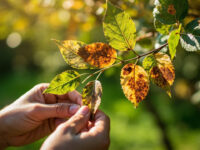
Most named cultivars handle winter down to zone 5, some to zone 4, but winter bronzing, that dull orange-brown cast, is normal and not a death sentence. It usually greens back up in spring.
Placement matters as much as light. Avoid spots where snow slides off a roof or where salt spray from a walkway drifts onto the leaves. Both will brown a plant faster than any pest will.
Where you put it decides half the plant’s future, but what’s under the soil decides the other half.
Watering: How Much, How Often, and How to Tell
Water new boxwood two to three times a week for the first two months, then taper to once a week if there is no rain. Established plants (two years or older) usually need water only during real dry stretches, roughly once every 7 to 10 days in summer heat.
Check the soil, not the calendar. Push a finger 2 inches down near the root ball. If it’s still damp, skip the water. Boxwood roots are shallow and wide, so a deep occasional soak beats frequent shallow sprinkles.
If you assumed yellowing or bronzing leaves mean the plant is thirsty, that guess causes more harm than the actual dry spell would. Overwatering a boxwood, or planting it where water pools, kills the roots and the whole plant slowly declines regardless of how much you then water it, because there are no working roots left to drink. The fix at that point is often digging it up and checking for black, mushy roots rather than adding more water.
Get the water right and the soil underneath still has to cooperate.
Soil, Drainage, and Feeding
Boxwood needs well-drained soil with a slightly acidic to neutral pH, roughly 6.5 to 7.2. Heavy clay is the number one killer of boxwood in home landscapes, not cold, not pests.
If your soil is clay-heavy, amend a wide area, not just the planting hole, with compost, or plant slightly high, with the root ball’s top edge an inch or two above grade, and mound soil up to it. Planting a boxwood too deep, with the root flare buried, is one of the most common ways people accidentally kill a plant that should have lived 40 years.
Feed lightly. A slow-release, balanced fertilizer in early spring, before new growth pushes, is plenty. Skip a late summer or fall feeding, since it encourages tender new growth that winter cold will burn back.
Soil and feeding set the plant up to grow, but growth only stays attractive if you know when to cut it back.
Pruning, Shearing, and the Timing That Actually Matters
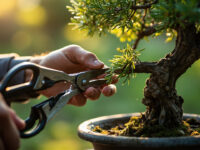
Prune boxwood in late winter to early spring, while it’s still dormant, for shaping and to remove dead or crossing branches. A second light shearing in early summer, after the first flush of new growth hardens off, keeps the shape without pushing tender growth into fall.
Here is the mistake almost everyone makes: shearing boxwood hard in late summer or fall. It looks crisp for a few weeks, then that new growth gets hit by the first freeze and turns brown, sometimes killing whole branch tips.
Thin from the inside occasionally, not just the outer surface. Shearing only the outside for years builds a hollow shell of leaves with a dead, twiggy interior, and once that happens the plant can’t be sheared back to health, only regrown slowly from what’s left alive underneath.
Clean up fallen leaves and debris from under the plant each spring, since boxwood disease overwinters right there in the litter.
Pruning timing protects the plant from itself, but pests and disease are the threats that come from outside.
The Problems Most Likely to Hit Your Boxwood
Boxwood blight is the serious one: dark leaf spots, black streaks on stems, and rapid browning and leaf drop, spreading fast in warm, humid, wet conditions. There’s no reliable home cure once it’s established; remove and destroy infected plants and avoid overhead watering on the rest.
Boxwood leafminer causes blistered, blotchy tan patches on leaves and is the most common pest issue. Treating with a labeled systemic insecticide in spring, following the product label exactly, is the standard control.
- Winter bronzing: normal color change from cold and sun, not disease, usually fades by late spring.
- Root rot: from poor drainage, shows as overall decline and dieback with no clear leaf spotting.
- Volutella blight: tan, straw-colored branch sections, often following stress or winter damage; prune out affected wood in dry weather.
Boxwood is mildly toxic if ingested by pets or people, causing stomach upset. If a pet eats a significant amount, call your veterinarian rather than waiting to see what happens.
Once you’ve ruled out disease and pests, the next question is simpler: is this actually working?
How to Tell Your Boxwood Is Genuinely Thriving
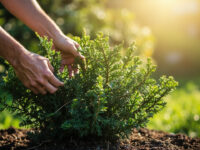
A healthy boxwood pushes a flush of small, bright green new growth in spring that’s noticeably lighter than the older foliage. The interior, when you part the branches, still has live green leaves, not just a hollow shell of twigs.
Density is the real tell. A thriving boxwood gets fuller every year without you doing anything extra, and a light trim is enough to keep its shape, rather than needing aggressive cutting to hide bare patches.
No consistent yellowing, no black stem streaks, and normal winter bronzing that greens back up by mid-spring all mean you’re doing this right.
That’s the whole picture, so here’s the version worth keeping on your phone.
Boxwood at a Glance
- When to plant: early spring or early fall, avoiding the hottest weeks of summer and hard freezes.
- Spacing: 2 to 3 feet apart for a hedge, wider for specimen plants, depending on the mature size of the cultivar.
- Light: 4 to 6 hours of sun, with afternoon shade in hot climates and protection from winter wind.
- Watering: two to three times weekly when newly planted, tapering to weekly or less once established, always checking soil 2 inches down first.
- Soil: well-drained, pH 6.5 to 7.2, planted slightly high in clay soils rather than deep.
- Feeding and pruning: one light spring feeding, shaping in late winter to early spring, a light second trim in early summer, never a hard shear in fall.
- Watch for: boxwood blight in humid weather, leafminer blotches on leaves, and winter bronzing that is cosmetic, not fatal.
If you remember one thing, remember this: drainage and depth at planting decide more of a boxwood’s future than anything you do afterward.
Get that right, prune it lightly and on schedule, and this is a shrub that will outlast the fence it’s growing next to.