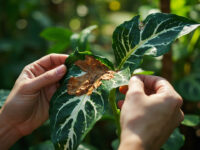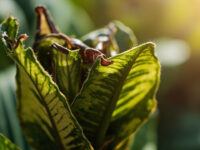
The most common reason a syngonium droops is dry soil. These plants wilt fast and dramatically when the potting mix dries out past the halfway point, and the fix is simply a thorough watering, not a whole new care routine. Push a finger into the soil right now: if it’s dry an inch or two down and the leaves feel soft rather than crisp, you’ve probably already found your answer.
But dry soil isn’t the only thing that makes a syngonium go limp, and it’s not even always the right guess. Overwatered syngoniums droop too, and they can look almost identical at first glance, which is exactly why so many people water a plant that’s already drowning and make it worse. There’s one detail on the plant, the color and texture of the leaves, that tells you which problem you actually have.
Stick with this. Below you’ll get every likely cause ranked by probability, the exact test to confirm each one, how to tell them apart when two look similar, an honest recovery outlook, and a two-minute diagnosis checklist you can run right now standing next to the plant.
Most Likely Causes, Ranked
1. Underwatering (soil too dry)
Confirm it: stick a finger 2 inches into the pot. If it comes out dry and the potting mix has pulled away from the sides, or the pot feels light when you lift it, this is your cause. Leaves will droop but stay flexible, not mushy.
Fix it by watering thoroughly until it runs from the drainage holes, then let the top inch or so dry between waterings going forward. Most syngoniums perk back up within 2 to 6 hours of a good soak.
That fast rebound is the tell, but only if the soil was actually dry, so don’t skip the finger test.
2. Overwatering or root rot
Confirm it: soil that’s been wet for days, a sour or swampy smell at the base, or yellowing lower leaves alongside the droop. Slide the plant out of the pot if you can. Healthy roots are white to tan and firm; rotted roots are brown, black, or mushy and slip apart in your fingers.
If rot is minor, trim the affected roots with clean scissors, let the remaining root ball dry out, and repot into fresh, fast-draining mix. If most of the root system is gone, take healthy stem cuttings and start over rather than fighting to save the original plant.
This is the cause people misdiagnose the most, because a droopy overwatered plant looks a lot like a thirsty one at first glance.
3. Too much direct sun or heat
Confirm it: the droop shows up on the side of the plant facing a window, especially in the afternoon, and the soil is actually moist. Leaves may look bleached, crispy at the edges, or pale rather than just limp.
Move the plant a few feet back from direct light or behind a sheer curtain. Syngoniums want bright, indirect light, not direct sun through glass, and they’ll droop defensively in a hot spot even with wet soil.
Light stress is easy to miss because everyone assumes droop means a watering problem first.
4. Temperature shock or cold drafts
Confirm it: the plant sits near an AC vent, a drafty window, or an exterior door, and the droop appeared suddenly after a temperature swing, not gradually over days. Soil moisture is normal.
Move it away from the draft and keep it somewhere that stays above 60°F consistently. Syngoniums are tropical and sulk hard below that, even without visible cold damage.
If the droop appeared overnight with no watering change at all, temperature is worth checking before anything else.
5. Recent repotting or transplant stress
Confirm it: you repotted, divided, or moved the plant within the last week or two, and the droop is uniform across the whole plant rather than isolated to one section.
There’s no real fix beyond time. Keep the soil evenly moist, skip fertilizer for a few weeks, and give it stable indirect light until new growth confirms the roots have settled back in.
If this is a fresh transplant, patience is genuinely the whole treatment, and that’s easy to confirm just by checking your own calendar.
6. Rootbound plant
Confirm it: it’s been over a year since the last repot, roots are visible circling at the drainage holes or pushing up out of the soil surface, and the plant seems to dry out unusually fast between waterings.
Repot into a container one size up with fresh mix, gently teasing apart any tightly circled roots first. Expect the droop to ease within a couple of weeks as the roots have room to actually take up water again.
A rootbound plant often masquerades as an underwatered one, since it genuinely does dry out faster than it should.
How to Tell the Causes Apart
Where the droop starts matters. Overall, whole-plant droop usually points to water stress, either too much or too little. Droop on just one side that faces a window points to light or heat.
Leaf texture is the fastest tell. Soft but flexible leaves usually mean dry soil. Yellow, mushy, or blackened leaves near the base mean rot.
Timing helps too. Sudden overnight droop with no care change points to temperature or a draft. Slow droop over a week or two with normal watering points to being rootbound or, if you just repotted, plain transplant stress.
Once you’ve matched the pattern, the next question is the one everyone actually wants answered.
Will It Recover?
Underwatering has the best odds by far. A syngonium that’s simply thirsty almost always bounces back within a day of a proper watering, often within hours.
Overwatering and rot are more honest work. Caught early, with mostly healthy roots still intact, recovery after trimming and repotting is likely within a few weeks. Caught late, with most of the root ball black and mushy, the top growth usually can’t be saved and cuttings are your realistic path forward, not a miracle revival of the original plant.
Light, heat, and draft stress resolve within days once the plant is moved, assuming no leaves have actually burned or gone crisp, in which case those specific leaves won’t green back up and can be trimmed off once new growth appears.
Transplant stress and rootbound plants both recover well, just slowly, on the plant’s own schedule rather than yours.
Recovery odds are good across the board here, which makes prevention worth the five minutes it actually takes.
How to Keep It From Happening Again
Water on a schedule you check, not one you follow blindly. Test the soil with a finger before every watering instead of watering on a fixed number of days, since light, pot size, and season all change how fast it dries.
Use a pot with drainage holes and a mix that includes bark, perlite, or coarse material so water moves through rather than sitting at the roots.
Keep the plant in bright, indirect light and away from direct afternoon sun, heating vents, and exterior doors.
Repot every 12 to 18 months, or sooner if you see roots circling at the surface or drainage holes.
With those habits in place, you’ll rarely see this droop again, and when you do, you’ll already know where to look first.
Diagnosis Checklist
- Stick a finger 2 inches into the soil: if dry, water thoroughly and expect recovery within hours.
- If the soil is wet or has been wet for days, check for a sour smell at the base and inspect roots for brown or black mush.
- If droop is worse on the window-facing side, check whether that side gets direct sun and move the plant back if so.
- If the droop appeared overnight with no watering change, check for nearby AC vents, drafty windows, or exterior doors.
- If you repotted or divided the plant within the last two weeks, treat it as transplant stress and just maintain even moisture.
- If it’s been over a year since repotting, check for roots circling at the drainage holes and size up the pot if you find them.
- Match your findings to the closest cause above and apply that fix before trying anything else.
Most syngonium droop traces back to something fixable within a day or two, not a dying plant.
Run the checklist once, and you’ll know exactly which fix is yours.