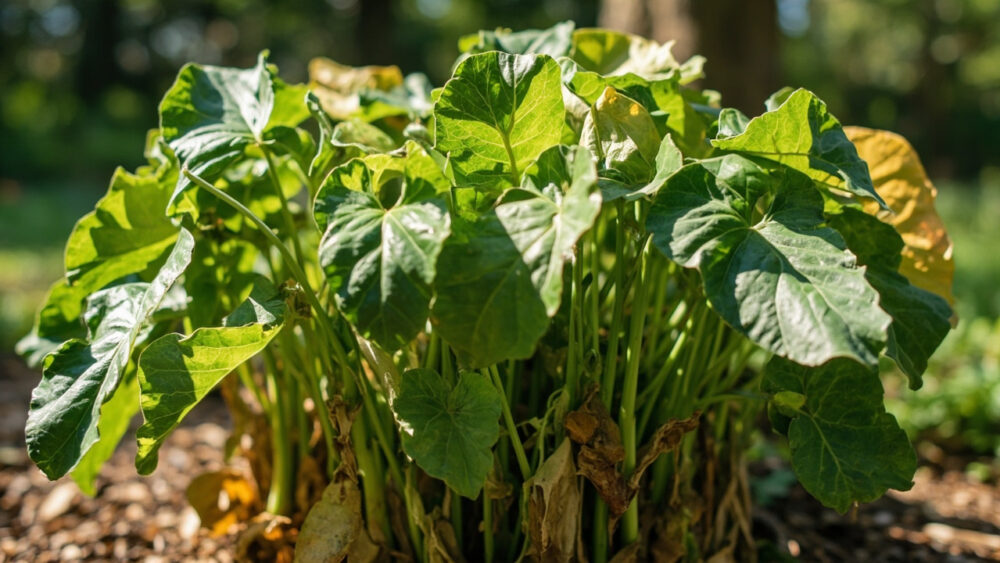
Nine times out of ten, a drooping umbrella plant (Schefflera) is sitting in soil that stayed wet too long, and the roots are starting to suffocate. The fix is to stop watering on a schedule, check the soil with your finger before you ever pick up the watering can again, and let the top two to three inches dry out completely between drinks. But drooping has at least four other causes that look almost identical at first glance, and dosing the wrong one won’t just fail, it can make things worse.
Most people see droopy leaves and assume the plant is thirsty, so they water it again. That guess is usually backwards, and it’s the single most common way a struggling Schefflera gets pushed from recoverable to root-rotted. The real tell isn’t the droop itself, it’s where on the plant it started and what the soil and roots feel like underneath.
Stick with this. Below you’ll get every likely cause ranked by probability, the exact confirm test for each, an honest recovery outlook, and a save-able two-minute diagnosis checklist at the very bottom.
Causes of Umbrella Plant Drooping, Most to Least Likely
1. Overwatering and Root Rot
This is the default suspect and correctly so. Umbrella plants want to dry out between waterings, and soil that stays soggy suffocates the roots within a week or two, especially in a pot without drainage holes.
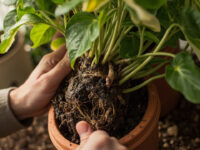
Confirm it by sliding the plant out of its pot. Healthy roots are firm and cream to light tan. Rotted roots are brown or black, mushy, and often smell sour or swampy.
Fix: trim away any black or mushy roots with clean scissors, repot into fresh, fast-draining potting mix, and use a pot with a drainage hole. Water only when the top two to three inches of soil are dry.
Get this one wrong and every other fix on this list is wasted effort.
2. Underwatering, the Overlooked Twin
Bone-dry soil droops leaves too, and it’s easy to confuse with overwatering because the visual result looks similar from across the room.
Confirm it by feeling the soil an inch or two down. If it’s dry, hard, or pulling away from the pot’s edges, and the leaves feel thin and slightly crisp rather than soft and limp, this is your cause.
Fix it with a thorough soak until water runs from the drainage holes, then resume a normal check-before-you-water routine. One deep drink usually perks the plant up within 12 to 24 hours.
If the leaves are soft and limp rather than crisp, you’re actually looking at the next cause.
3. Low Light Combined With Overwatering
Umbrella plants in dim corners use water far slower than the label on your watering habit assumes. In low light, a normal watering schedule effectively becomes overwatering by default.
Confirm it by checking placement: is the plant more than six or eight feet from the nearest bright window, or blocked by sheer curtains and furniture shadow most of the day?
Fix it by moving the plant to bright, indirect light and cutting your watering frequency to match. Same soil test as cause one applies here, dry two to three inches down before watering again.
Light and water are linked more tightly on this plant than most people expect, and that link is about to matter again.
4. Temperature Shock or Cold Draft
Schefflera drops leaves and droops fast when it sits near a cold window in winter, an air conditioning vent, or a door that opens to freezing air. Sudden droop after a cold snap or a move near a drafty spot points here.
Confirm it by checking recent history rather than the plant itself: did you just move it, or has the temperature near it dropped noticeably in the last day or two?
Fix it by relocating the plant away from drafts, vents, and cold glass, keeping it in a spot that stays reliably between 60 and 80°F.
If nothing has moved and the temperature hasn’t changed, look at what’s crawling on the leaves instead.
5. Pests: Spider Mites or Scale
Sap-sucking pests drain moisture from leaves faster than roots can replace it, and drooping shows up alongside other signs rather than alone.
Confirm it by checking leaf undersides and stems for fine webbing, tiny moving specks, or small brown bumps that don’t wipe off easily.
Fix it with insecticidal soap or horticultural oil, following the product label exactly on mixing and reapplication interval, and isolate the plant from other houseplants while you treat it.
Pests rarely act alone, so rule out water and light problems too before you call this one solved.
6. Transplant or Repotting Stress
A recently repotted umbrella plant often droops for one to two weeks simply from root disturbance, even when you did everything right.
Confirm it by checking the calendar: if you repotted, moved, or divided the plant in the last two weeks and the roots looked healthy at the time, this is likely just recovery droop.
Fix it with patience: keep light bright but indirect, water only when the soil actually calls for it, and skip the fertilizer until new growth appears.
Once you’ve matched a cause, the next step is confirming you haven’t mixed up two look-alikes.
How to Tell the Causes Apart
Where the droop starts matters most. Overwatering and root rot usually hit lower, older leaves first, turning them yellow or dark and mushy before they droop. Underwatering droops leaves all over fairly evenly, and they feel dry and thin rather than soft.
Pest damage shows small physical evidence, webbing, sticky residue, or visible bumps, alongside the droop, not instead of it.
Cold shock and transplant stress both come with an obvious recent event you can point to, a draft, a move, a repot, while root rot and chronic underwatering build up silently over weeks.
Once you know which one you’re dealing with, the next honest question is whether the plant is going to make it.
Will It Recover?
Underwatering, light issues, cold shock, and transplant stress all have good odds. Expect visible improvement within a few days to two weeks once the actual condition is corrected.
Root rot is the one that depends entirely on how far it’s gone. Catch it with some firm white roots still intact, and a repot with trimmed rot gives a real shot at recovery over four to six weeks.
If more than half the root mass is black and mushy, or the main stem has gone soft and dark near the soil line, be honest with yourself: that plant is not coming back, and starting a new one from a healthy stem cutting is a better use of your time.
Pest infestations recover fine if caught early, but a heavy scale infestation on an old, stressed plant sometimes isn’t worth fighting.
Whatever the outcome this time, the real win is not needing this article again.
How to Keep It From Happening Again
Stop watering on a schedule. Check the soil with a finger every time, and only water when it’s dry two to three inches down. This single habit change prevents the majority of umbrella plant problems.
Give it bright, indirect light, ideally within a few feet of an east or west-facing window. A Schefflera in a dim corner will struggle no matter how careful you are with the watering can.
Always use a pot with drainage holes and a mix that drains fast, and keep the plant away from cold drafts, heating vents, and sudden temperature swings.
Check leaves and stems monthly for pests before they become an infestation, especially if the plant lives near other houseplants.
Do those four things consistently and drooping becomes the exception, not the norm.
Diagnosis Checklist
- Feel the soil two to three inches down: wet and heavy points to overwatering, dry and hard points to underwatering.
- If wet, slide the plant from its pot and check the roots: firm and tan is fine, brown or black and mushy means rot.
- If dry, check the leaves: crisp and thin means underwatering, soft and limp despite dry soil means look at light or temperature next.
- Check the plant’s distance from the nearest bright window: more than six to eight feet away means low light is a contributing cause.
- Check for a recent event: a move, a repot, or a cold draft in the last two weeks explains sudden droop with no other symptoms.
- Inspect leaf undersides and stems for webbing, sticky residue, or small bumps: any of these means pests, treat accordingly.
- Note where on the plant the droop started: lower and older leaves first suggests root rot, even droop across the whole plant suggests water or light.
Run through that list once, at the plant, and you’ll know which fix to make tonight.
Most umbrella plants forgive one bad stretch, they just don’t forgive two in a row.