Water a Boston fern often enough to keep the soil evenly moist, never bone dry and never soggy, which usually means every 2 to 3 days indoors and daily or every other day outdoors in summer heat. There is no single number that works for every pot, because light, humidity, and pot size all shift that timeline. The real skill is checking the soil instead of trusting a calendar, and that is where most people go wrong.
Here is what is coming. The one mistake that kills more Boston ferns than neglect ever does. The leaf symptom almost everyone reads backward. And the honest seasonal answer, because what worked in July will brown your fronds by January if you do not adjust it.
Save the scrolling if you need to. There is a full Boston Fern at a Glance card at the bottom with every number in one place.
The Honest Watering Schedule, and What Changes It
Indoors, in a room with decent humidity and bright indirect light, plan on watering roughly every 2 to 3 days. In a dry heated home in winter, or a spot with dry forced-air heat blowing nearby, that can drop to every day just to keep the soil from going dust dry.
Outdoors on a porch or under a tree in summer, a Boston fern in a hanging basket often needs water daily once temperatures climb past 80°F, sometimes twice a day in a small pot in full sun.
Pot size and material matter more than people expect. A fern in a 6-inch plastic pot dries slower than the same fern in a 10-inch terra cotta pot, because terra cotta wicks moisture out through the clay itself.
None of these are commitments, they are starting points you adjust with your own eyes and fingers.
Stop Guessing: The Finger Test, Pot Weight, and Leaf Cues
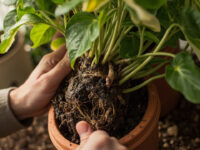
If you take nothing else from this article, take this: stop watering on a schedule and start checking the soil. Push a finger into the pot up to your second knuckle, about 2 inches deep.
If it feels barely damp or dry at that depth, water now. If it still feels cool and moist, wait a day and check again.
Pot weight is the trick experienced growers actually use. Lift the pot right after watering so you know what “full” feels like, then lift it daily. When it feels noticeably light, that is your cue, and it is faster than digging in the soil every time.
Fronds that feel dry, papery, and crisp at the tips are asking for water. Fronds that go limp and yellow while the soil is still wet are telling you the opposite, and that distinction is the one people flip.
Checking beats guessing every single time, but knowing how to water once you have checked matters just as much.
How to Actually Water a Boston Fern
Water until it runs freely out the drainage holes, not just a splash on top. Boston ferns have dense, fibrous root mats, and a light surface sprinkle wets only the top half inch while the roots below stay dry.
Let the pot drain fully before it goes back on a saucer or into a decorative sleeve. A fern sitting in standing water for days is the single fastest way to rot the roots, and it is astonishingly common because that plastic sleeve hides the water pooling underneath.
Room-temperature water is fine. Cold tap water straight from a winter pipe can shock the roots slightly, so let it sit out for an hour if your water runs very cold.
Boston ferns also want humidity in the air, not just water in the pot. A pebble tray, a bathroom with a shower nearby, or an occasional misting helps the fronds stay full even between waterings.
Watering correctly solves half the problem, but only if you can tell which half is actually broken when the fronds start to look bad.
Overwatered or Underwatered? How to Tell Them Apart
If you assumed yellow, droopy fronds always mean the plant is thirsty, that guess causes more root rot than actual drought does. Yellowing combined with wet, heavy soil and a musty smell near the base is overwatering, not thirst.
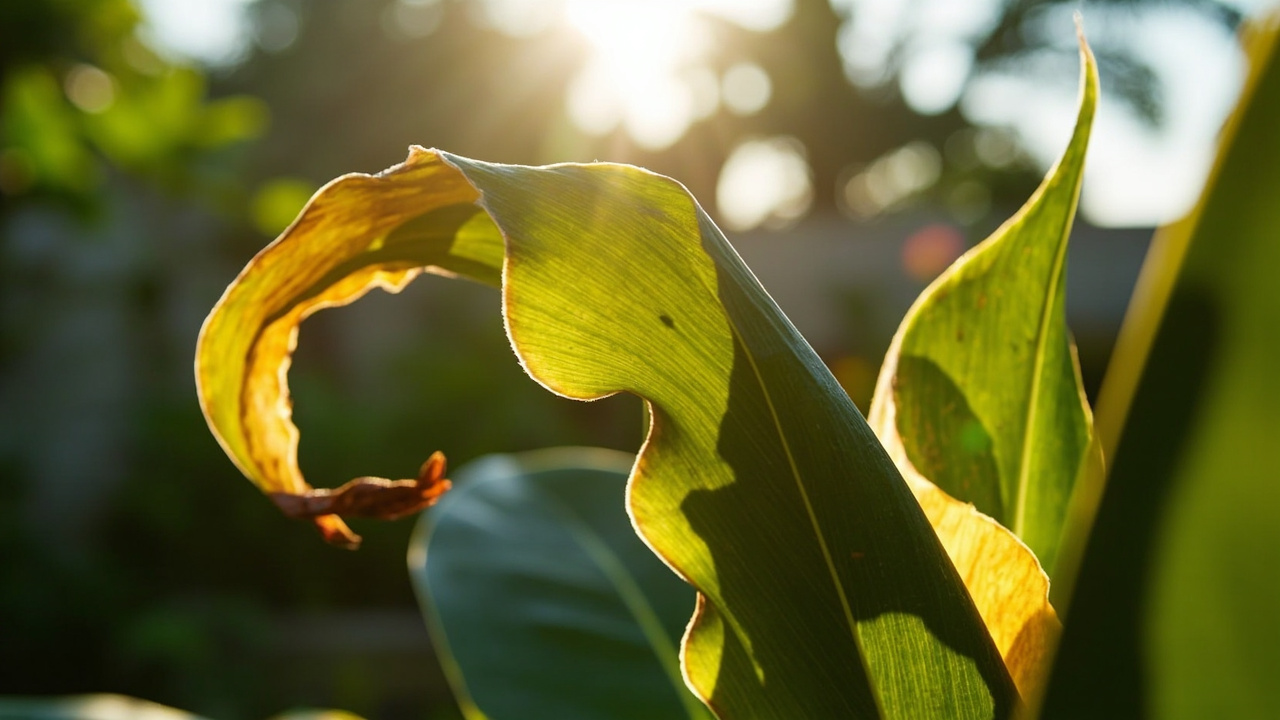
Underwatering shows up as crispy, brown, curling frond tips and soil that has pulled away from the edge of the pot, light and dry all the way through.
Overwatering shows up differently: fronds go a dull, pale yellow while still feeling somewhat soft, the soil stays dark and heavy days after your last watering, and in bad cases the crowns at the base turn black or mushy.
The fix for underwatering is simple and forgiving, just water thoroughly and the plant usually bounces back within days. The fix for overwatering is less forgiving: let the soil dry out further than usual before the next watering, trim off any mushy black growth at the base, and check that the pot actually drains.
Root rot that has reached the crown is often not recoverable, which is the honest, unglamorous truth about overwatering versus the much more forgiving mistake of letting it go dry.
Get the frequency and the diagnosis right for most of the year, and the only thing left to manage is the calendar itself.
Adjusting the Schedule Season by Season
Spring and summer, when a Boston fern is actively growing and temperatures are warm, it drinks the most and dries out fastest, especially outdoors or near a bright window.
Fall and winter slow everything down. Growth stalls, light drops, and the same watering pace that kept the plant happy in July will drown it in January. Stretch the interval, and check the soil rather than sticking to a fixed number of days.
Indoor heating season is its own trap: the air gets drier even as the plant’s water needs drop, so you are checking soil moisture more often even though you are watering less overall.
If you move the fern outdoors for summer and back in for winter, expect the watering rhythm to reset each time, sometimes within just a week of the move.
Everything above compresses down into one quick card, which is the part worth keeping on your phone.
Boston Fern at a Glance
- Watering frequency: every 2 to 3 days indoors in average conditions, daily to every other day outdoors in summer heat, less often in cool low-light winter conditions.
- How to check: finger test 2 inches deep, water when barely damp or dry, or track pot weight after a fresh watering.
- How to water: water thoroughly until it runs out the drainage holes, then let the pot fully drain before returning it to a saucer.
- Underwatering signs: crispy, curling, brown frond tips, soil dry and light all the way through, pulled away from the pot edge.
- Overwatering signs: dull yellow soft fronds, heavy wet soil days after watering, musty smell or blackened mushy crown at the base.
- Humidity: keep it high with a pebble tray or nearby misting, since dry air speeds up soil drying and stresses fronds even between waterings.
- Seasonal shift: water most often in active spring and summer growth, stretch the interval in fall and winter as growth and light drop.
Check the soil, not the calendar, and let the pot’s own weight tell you when it is time.
Get that right and a Boston fern will hold its full, lush shape for years with almost no drama.