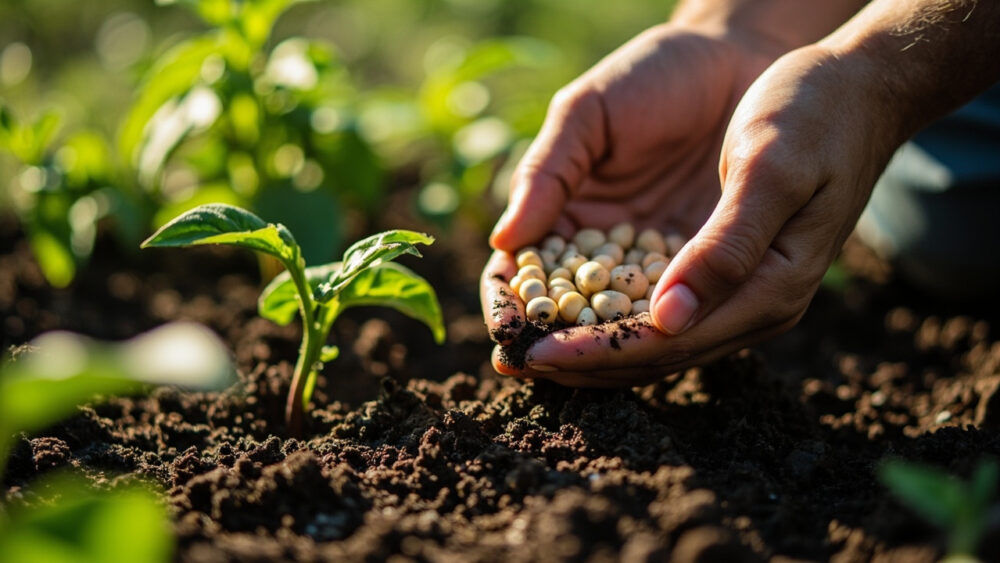
Here is how to grow jalapenos from seed: start them indoors 8 to 10 weeks before your last frost date, keep the soil around 80 to 85 F until they sprout, then transplant outside once nights stay above 55 F. From sowing to first ripe pepper runs 70 to 85 days, longer if you want them to turn deep red instead of picking them green.
That part is simple. Where most people lose the season is earlier and later than they expect.
The germination stall convinces half of first-time growers their seeds are dead when they are actually just cold. The hardening-off step everyone rushes costs you two weeks of stunted, sulking plants right when you can least afford to lose time. And there is an honest answer to the question you are about to ask yourself in July, why is my jalapeno covered in flowers but not setting any peppers, that has nothing to do with fertilizer. Stick around for all three, and save the Jalapenos at a Glance card at the bottom for your phone.
When to Start Jalapeno Seeds
Indoors is the only realistic option for most climates. Jalapenos need 70 to 85 warm days after transplant, and direct-sown seed in cool spring soil can eat a month of that just germinating. Count back 8 to 10 weeks from your last frost date and start there.
If you’re in a warm zone, zone 9 or 10, with a long frost-free stretch, you can direct sow once soil hits 70 F. Everyone else starts indoors under lights.
Starting too early is its own trap, plants get leggy and rootbound waiting for outdoor conditions to catch up.
Sowing Step by Step
- Depth: a quarter inch, no deeper. Buried too deep, pepper seed struggles to push through.
- Medium: a light seed-starting mix, not garden soil, not straight compost. It needs to drain and stay loose.
- Temperature: 80 to 85 F is the real target. A heat mat under the tray matters more than almost anything else you’ll buy.
- Light: not needed until sprouts appear, then it’s needed constantly, 14 to 16 hours a day, close to the leaves, or you get pale, stretched seedlings.
Get the temperature right and the rest of this gets easy fast.
Germination: What’s Normal and What’s a Problem
Jalapeno seed takes 7 to 21 days to sprout, and that spread is normal, not a sign of bad seed. If you assumed slow germination means dead seed, that guess costs more trays than anything else, most gardeners give up and re-sow around day 10, right before the real sprouts show up.
The actual driver is soil temperature, not patience. At 65 F, expect three weeks or more and spotty results. At 80 to 85 F, expect 7 to 10 days and a full tray.
Only worry if you hit three full weeks with zero movement and the soil has stayed consistently warm. That’s when a re-sow makes sense, not before.
Once you see sprouts, the next danger isn’t germination, it’s the light they need immediately.
Hardening Off and Transplanting
This is the step everyone rushes, and rushing it sets plants back further than starting seeds two weeks late would have. Jalapenos grown indoors have soft tissue and no wind exposure, moving them straight into full sun and breeze can stall or kill them.
Over 7 to 10 days, move seedlings outside for a little longer each day, starting with an hour of shade and working up to a full day of sun. Skip a day of wind or cold and you’ll see it in bleached or curled leaves.
Transplant once nighttime lows hold above 55 F and soil has warmed, usually 2 to 3 weeks past your last frost. Space plants 18 to 24 inches apart, and bury the stem slightly deeper than it sat in the pot.
Get plants through this transition intact and the rest of the season is mostly maintenance, with one big exception coming up.
Care Through the Season
Jalapenos want consistent moisture, not constant moisture. Water when the top inch or two of soil is dry, deeply, then let it dry again. Wildly uneven watering is what causes blossom end rot, not a calcium deficiency you need to fix with a spray.
Feed lightly. A vegetable fertilizer with more phosphorus and potassium than nitrogen once plants start flowering keeps growth balanced. Too much nitrogen buys you a huge, leafy plant with few peppers.
Full sun, 6 hours minimum, 8 or more is better. Mulch to keep soil temperature and moisture steady, especially in hot climates where afternoon heat can stress plants into dropping blooms.
Now for the question that shows up right when the flowers do.
Why Flowers Drop Without Setting Fruit
This is the honest answer nobody tells you upfront: heat, not nutrition, is the usual cause. Above roughly 90 F, especially with hot nights, jalapenos drop blossoms rather than set fruit, and no amount of fertilizer fixes a heat problem.
The other common cause is no pollinator activity, or wind and rain knocking pollen loose before bees find it. A light shake of the plant midday can help in a pinch.
Give it time and cooler stretches, most plants recover and set fruit fine once temperatures ease.
Once fruit does set, the next question is timing the harvest right.
When Jalapenos Are Ready to Harvest
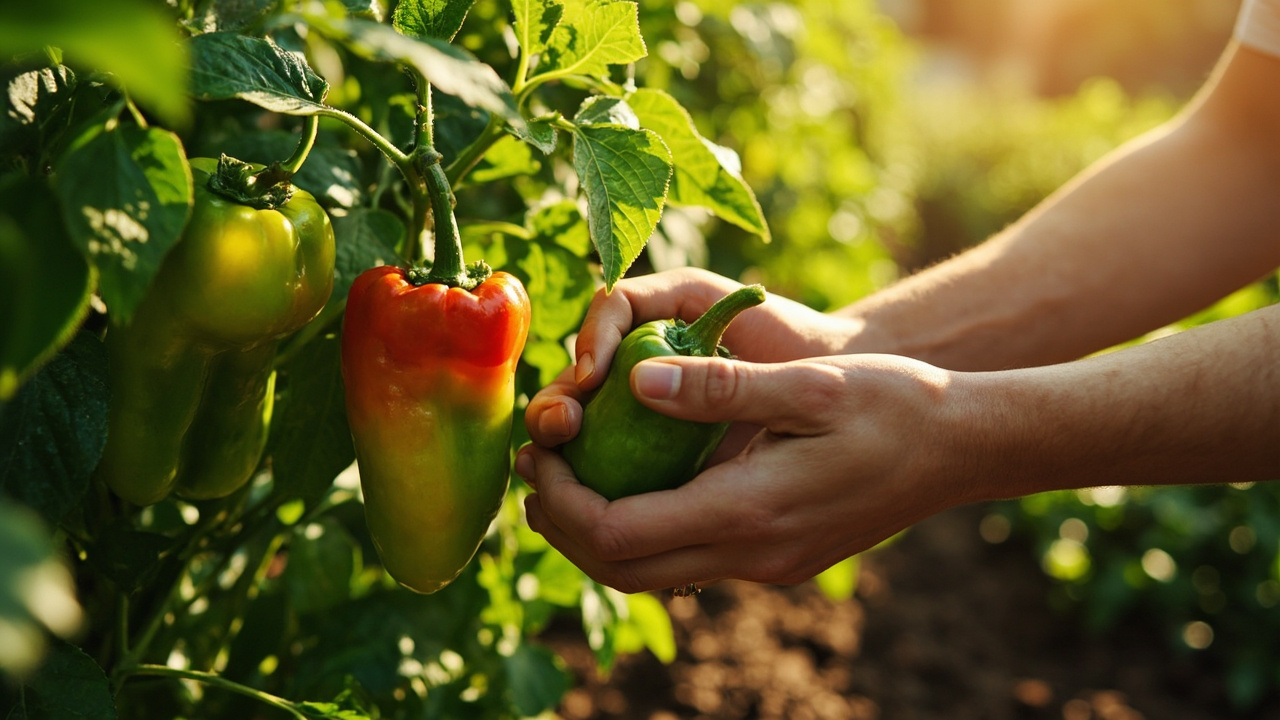
Jalapenos are ready at 70 to 85 days from sowing, when peppers are 2.5 to 3.5 inches long, firm, and glossy dark green. That’s the classic harvest point, and heat builds the longer you wait.
Leave them on the plant and they’ll turn red over another 2 to 3 weeks, developing a sweeter, hotter flavor. Neither stage is wrong, it’s a matter of taste.
Cut peppers with pruners rather than pulling, tugging can snap branches loaded with more fruit.
Regular picking is what keeps the plant producing all season instead of slowing down.
Jalapenos at a Glance
- When to plant: start seed indoors 8 to 10 weeks before last frost, transplant outside 2 to 3 weeks after last frost once nights stay above 55 F.
- Seed depth and temperature: a quarter inch deep in light seed mix, 80 to 85 F soil for fastest, most reliable germination.
- Germination time: 7 to 21 days depending on soil temperature, don’t panic before three full weeks.
- Spacing: 18 to 24 inches apart, full sun, 6 to 8 hours minimum.
- Watering: deep and even, only when the top inch or two of soil dries out.
- Days to harvest: 70 to 85 days from sowing for green jalapenos, add 2 to 3 more weeks if you want them red.
- Ready to pick: 2.5 to 3.5 inches long, firm and glossy, cut with pruners rather than pulling.
Get the soil temperature right at germination and the transplant transition right in spring, and jalapenos mostly grow themselves.
Everything after that is just picking peppers before the plant decides to slow down.