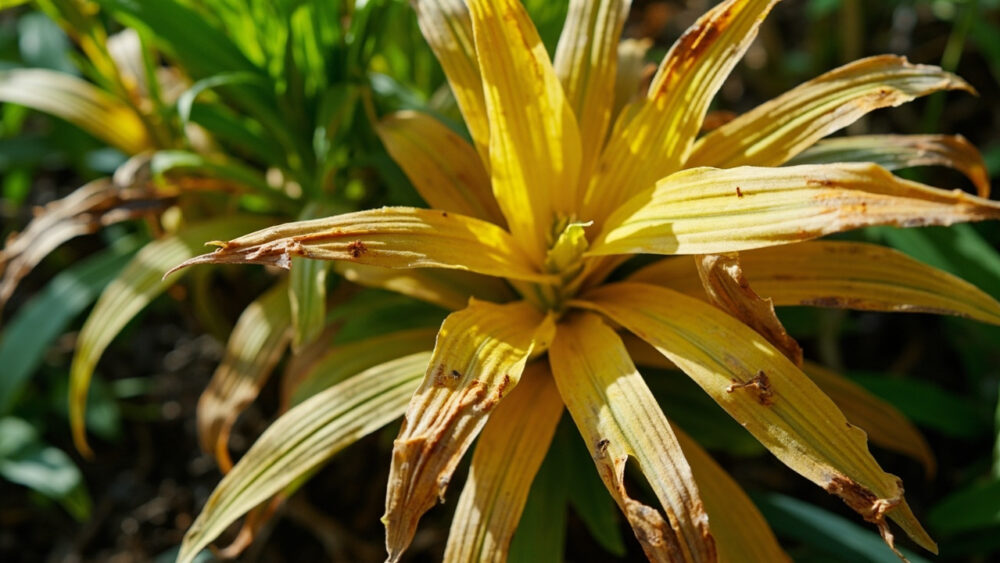
Yellowing ginger leaves are usually a water problem, not a fertility one. Most of the time it is overwatering and soggy roots, sometimes it is the opposite and the soil dried out one too many times, but either way the fix starts with your finger in the soil, not a bottle of fertilizer. Ginger leaves turning yellow is one of the most common complaints from people growing it in pots, and the good news is most cases are fixable if you catch them early.
Here is the part everyone gets wrong first: they see yellow and reach for plant food. That almost never helps, and if the real problem is wet roots, extra fertilizer can make it worse.
There is one detail on the plant, where the yellowing starts and which leaves it hits first, that tells you almost exactly which of the five or six real causes you are dealing with. Whether the plant bounces back depends entirely on which cause it is and how long it has gone unaddressed. Stick with me and you will get the full rundown of causes in order of likelihood, an honest recovery read for each, and a two-minute diagnosis checklist at the very bottom you can run right now standing next to the pot.
Most Likely Causes, In Order
1. Overwatering and Waterlogged Roots
This is the top cause by a wide margin. Ginger likes consistently moist soil, but “moist” is not “wet,” and a lot of growers drown it thinking they are being generous.
Confirm it: stick a finger 2 inches down. If it comes out cold, muddy, or clumped, or if the pot feels heavy and the drainage holes are dark and slow to drain, that is your answer. Lower and older leaves yellow first, often with a slightly soft or mushy feel at the base of the stem.
Fix it by letting the top 1 to 2 inches of soil dry out before watering again, and make sure the pot or bed actually drains. If roots smell sour or look brown and mushy when you check them, trim off the rotten parts with a clean blade and repot into fresh, well-draining soil.
Wet feet cause more yellow leaves than every other problem on this list combined.
2. Underwatering and Drought Stress
Ginger dries out fast in a small pot or sandy soil, especially in summer heat, and the plant responds by sacrificing its oldest leaves first to save water for new growth.
Confirm it: the soil an inch down feels dry and crumbly, the pot feels light, and leaf edges look crispy or curled before they yellow, rather than soft and collapsed.
Fix it with a deep, thorough watering right away, then commit to checking soil moisture every 2 to 3 days instead of on a fixed schedule. Ginger’s fleshy rhizome stores some water, but it is not a cactus, and it cannot buffer repeated dry-outs.
Once you know it is thirst and not rot, the fix is almost embarrassingly simple.
3. Too Much Direct Sun or Heat Stress
Ginger is a forest-floor plant by nature and full, hot afternoon sun scorches it, especially in containers where roots heat up fast.
Confirm it: yellowing shows up on the side of the plant facing the sun, often with bleached or papery patches rather than uniform color change, and it tends to hit new growth right along with old.
Fix it by moving the pot to bright, indirect light or dappled shade, or by rigging up light afternoon shade cloth for an in-ground planting. Ginger wants morning sun and afternoon protection in most climates, not all-day exposure.
If the yellowing has a directional pattern instead of an even one, sun is worth ruling in or out before anything else.
4. Nitrogen or General Nutrient Deficiency
This is real, but it is far less common than people assume, and it usually only shows up in plants that have been in the same pot or depleted soil for a full season or more without feeding.
Confirm it: yellowing is uniform and starts on the oldest, lowest leaves, the plant looks generally pale rather than spotty, and you cannot find any moisture problem or root damage when you check.
Fix it with a balanced liquid fertilizer or fish emulsion at half strength every 3 to 4 weeks during active growth, backing off in fall as the plant slows down. Do not fertilize a plant that is already sitting in wet soil, since that just adds insult to injury.
Nutrient trouble is the cause most people blame first and the one that is actually near the bottom of the list.
5. Root Rot From Disease, Not Just Overwatering
Sometimes soggy soil crosses the line into an actual fungal or bacterial rot, particularly in warm, humid conditions with poor airflow.
Confirm it: pull the plant or dig gently at the rhizome. Healthy rhizome is firm and tan to golden inside. Rotten rhizome is dark, soft, and often smells distinctly sour or rotten, and yellowing will progress fast, sometimes over just a few days.
Fix it by cutting away all visibly rotten tissue with a clean, sharp blade back to firm healthy rhizome, letting the cut surfaces air dry for a few hours, then replanting in fresh, sterile, well-draining soil. Badly rotted rhizomes with little firm tissue left are usually not worth saving.
This is the one cause where speed genuinely matters more than anything else on this list.
6. Natural Seasonal Dieback
If it is fall and your ginger has been growing for months, yellowing might not be a problem at all. Ginger is naturally deciduous and dies back to the rhizome as it heads into dormancy.
Confirm it: the yellowing is gradual, affects the whole plant evenly over several weeks, and the timing lines up with shortening days and cooling temperatures, not a recent change in watering or light.
Fix it by doing nothing dramatic. Reduce watering, let the foliage die back fully, and either store the rhizome dry and cool or leave it in the ground in mild-winter climates for a spring return.
Knowing the difference between dying back and dying saves a lot of otherwise healthy rhizomes from getting tossed.
How to Tell the Causes Apart
Where the yellowing starts is your best clue. Oldest, lowest leaves first points to overwatering, underwatering, nutrient deficiency, or seasonal dieback. Sun scorch and rot can hit any leaf, old or new, and often move fast.
- Soft, mushy yellow leaves plus wet soil: overwatering or rot, check the rhizome.
- Crispy, curling yellow leaves plus dry soil: underwatering.
- Yellowing only on the sun-facing side: light or heat stress.
- Even, slow, whole-plant fade with no soil problem: nutrients or, in fall, dormancy.
- Fast yellowing over days with a sour smell at the base: active rot, act now.
Once you match the pattern, the fix section above tells you exactly what to do next.
Will It Recover?
Most overwatered and underwatered ginger recovers fully once you correct the moisture and give it a few weeks. Yellow leaves themselves will not turn green again, but new growth should come in healthy.
Sun-stressed plants recover well once moved, though scorched leaves stay damaged and new leaves show the improvement.
Nutrient-deficient plants respond within 2 to 4 weeks of proper feeding.
Rot is the honest exception. Caught early with firm rhizome remaining, recovery odds are good after trimming and repotting. Caught late, with most of the rhizome soft and dark, you are usually better off starting a new piece from a firm section, if any exists, rather than nursing a lost cause.
Dormancy needs no recovery at all, just patience until the next growing season.
The outlook is genuinely good for most causes, which is exactly why identifying the right one matters.
How to Keep It From Happening Again
Get the pot and soil right first. Ginger needs a container with real drainage holes and a loose, rich, well-draining mix, never a pot that sits in a saucer of standing water.
Water on a check-first basis, not a calendar. Feel the soil, do not guess by the day of the week.
Give it bright, indirect light or morning sun with afternoon shade, especially in hot climates. Feed lightly and only during active growth, and stop entirely once foliage starts its natural fall dieback.
Good airflow around the base and never letting the soil stay saturated for days at a time will prevent nearly every rot problem before it starts.
Get those habits right and yellow leaves become rare instead of routine.
Diagnosis Checklist
- Check the soil 2 inches down: if it is wet, cold, or muddy, suspect overwatering or rot first.
- Check the soil again: if it is dry and crumbly, suspect underwatering.
- Look at which leaves are yellow: oldest and lowest points to water, nutrients, or dormancy, any leaf at random points to sun or rot.
- Check the yellowing pattern on the plant: one side only means sun or heat stress.
- Smell and feel the base of the stem and rhizome: sour smell or mushy texture means active rot, act today.
- Check the calendar and season: gradual, even, whole-plant yellowing in fall is likely normal dieback, not damage.
- Match your findings to the matching cause above and apply that fix, not a generic one.
- Recheck in 10 to 14 days: new growth coming in green confirms you fixed the right problem.
Yellow leaves on ginger are almost always a fixable signal, not a death sentence. Match the symptom to the cause, make one change, and give it two weeks before you judge the result.