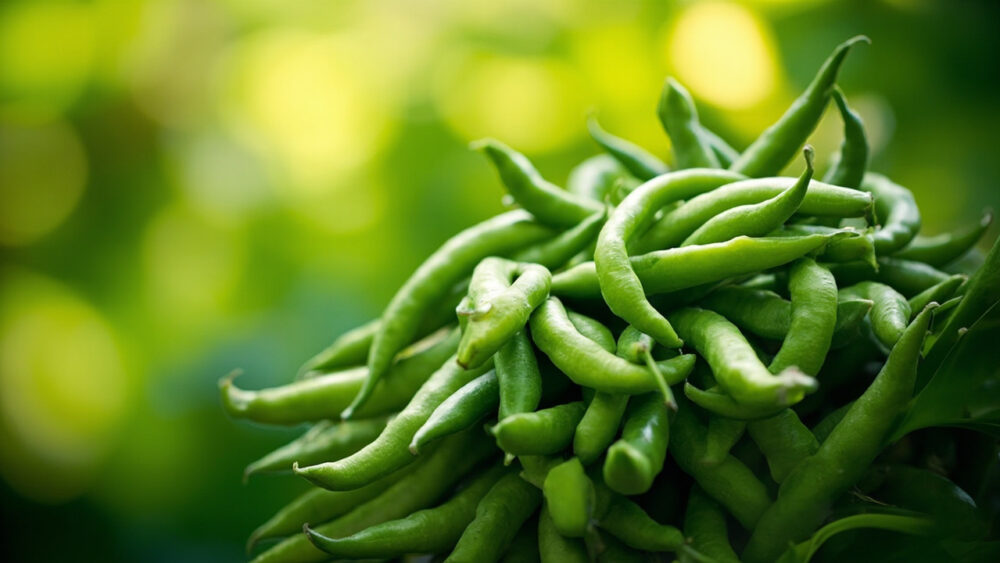
Yes, you can freeze green beans, and done right they keep their color, snap, and flavor for 10 to 12 months in the freezer. The catch is that almost everyone skips one step that turns their beans mushy and gray by month three. That step is blanching, and it is not optional the way some vegetable prep advice is.
There is also a timing mistake that ruins beans before they even hit the freezer bag, a texture problem that shows up only after thawing so you never see it coming, and a packing habit that gives you one giant frozen brick instead of usable portions. All of it is fixable once you know what to look for.
Stick around to the bottom and you will find a Green Beans at a Glance card worth saving to your phone before your next harvest or grocery haul.
The Right Way to Freeze Green Beans, Step by Step
Start with fresh, firm beans snapped or cut into pieces about 1 to 2 inches long. Wash them first, then trim the stem ends.
Bring a large pot of water to a full boil. Drop the beans in and blanch for 3 minutes if they are thin, up to 4 minutes for thicker pods.
Immediately transfer them to an ice water bath for the same amount of time you boiled them. This stops the cooking dead and locks in color and texture.
Drain thoroughly and pat dry, then spread beans on a sheet pan in a single layer and freeze for 1 to 2 hours before bagging. This flash-freeze step is what keeps them from clumping into one solid mass later.
Once firm, transfer to freezer bags or containers, press out the air, label with the date, and freeze flat.
That flash-freeze step is also where most people quietly cut a corner, and it costs them the whole batch.
Why Skipping Blanching Is the Mistake That Ruins Most Batches
If you assumed you could skip blanching and just freeze raw beans to save time, that guess is the single biggest reason freezer green beans turn out limp and off-tasting. Raw beans still have active enzymes that keep breaking down color, flavor, and texture even at freezer temperatures.
Blanching stops those enzymes cold. Skip it and you get beans that look fine going into the bag but come out gray-green, soft, and flat-tasting after a couple of months, sometimes sooner.
The honest tradeoff is that blanching adds maybe 15 extra minutes to your prep. That is the entire cost. There is no shortcut version that gives you the same result.
Get the blanch right and the next question is how long these beans actually last once they are in the freezer.
How Long Green Beans Actually Keep, Method by Method
Storage life depends entirely on how you handle the beans before they go anywhere cold.
- Fresh on the counter: a day at most, they wilt and toughen fast at room temperature.
- Fresh in the fridge: 5 to 7 days in a loose or perforated bag in the crisper drawer.
- Blanched and frozen: 10 to 12 months at consistent 0°F, with best quality in the first 8 months.
- Frozen without blanching: usable for maybe 1 to 2 months before flavor and texture noticeably decline, not recommended.
- Canned (pressure canned, not water bath): 1 to 2 years shelf stable, but this requires a pressure canner since green beans are low-acid and unsafe to water-bath can.
Notice that frozen beans do not last forever even at their best, so the next section on turning signs matters more than people think.
The Signs Your Green Beans Have Turned
Fresh beans that have gone bad feel soft and rubbery instead of snapping crisply when bent. Look for brown or slimy spots, a sour smell, or shriveling along the pod.
In the freezer, the tell is different. Beans that have suffered freezer burn look dry, whitish, or leathery in patches, and the bag often shows visible ice crystals or frost buildup inside.
Freezer-burned beans are not dangerous to eat, but the texture is permanently gone in those spots. Trim the affected areas or use them in soups where texture matters less.
If a bag smells off or the beans look slimy after thawing rather than just soft, that is spoilage, not freezer burn, and it should be tossed.
Most of what actually ruins a batch, though, happens before freezer burn ever gets the chance.
The Packing and Timing Mistakes That Cost You the Whole Batch
The most common failure is skipping the flash-freeze step and bagging beans while they are still wet or warm. This creates one solid frozen block that is nearly impossible to portion, and the trapped moisture leads to ice crystals and mushy texture on thawing.
The second mistake is timing at harvest, not in the kitchen. Beans left on the vine too long turn tough and stringy with swollen seeds, and no amount of blanching fixes that. Pick beans when pods are firm, slender, and snap cleanly, before the seeds inside bulge visibly.
A third mistake is not drying beans well after the ice bath. Excess water freezes into a layer of ice that dilutes flavor and worsens texture.
Finally, leaving air in the bag speeds up freezer burn faster than almost anything else, so press it all out or use a vacuum sealer if you have one.
Get the harvest timing and the drying step right, and the blanch you already learned does the rest of the work for you.
Green Beans at a Glance
- Best way to freeze: wash, trim, blanch 3 to 4 minutes, ice bath the same amount of time, dry well, flash-freeze on a tray, then bag.
- Fridge life fresh: 5 to 7 days in a perforated bag in the crisper.
- Freezer life: 10 to 12 months at 0°F, best quality in the first 8 months.
- Harvest window: pick when pods are firm and snap cleanly, before seeds bulge inside the pod.
- Signs of spoilage fresh: soft, rubbery pods, slimy or brown spots, sour smell.
- Signs of freezer burn: dry, whitish, leathery patches and visible ice crystals in the bag.
- Biggest mistake: skipping the blanch or freezing beans wet, both wreck texture within weeks.
Blanch it, cool it, dry it, freeze it flat. That order is the whole trick, and skipping any one step is the only thing standing between you and beans that taste like summer in January.