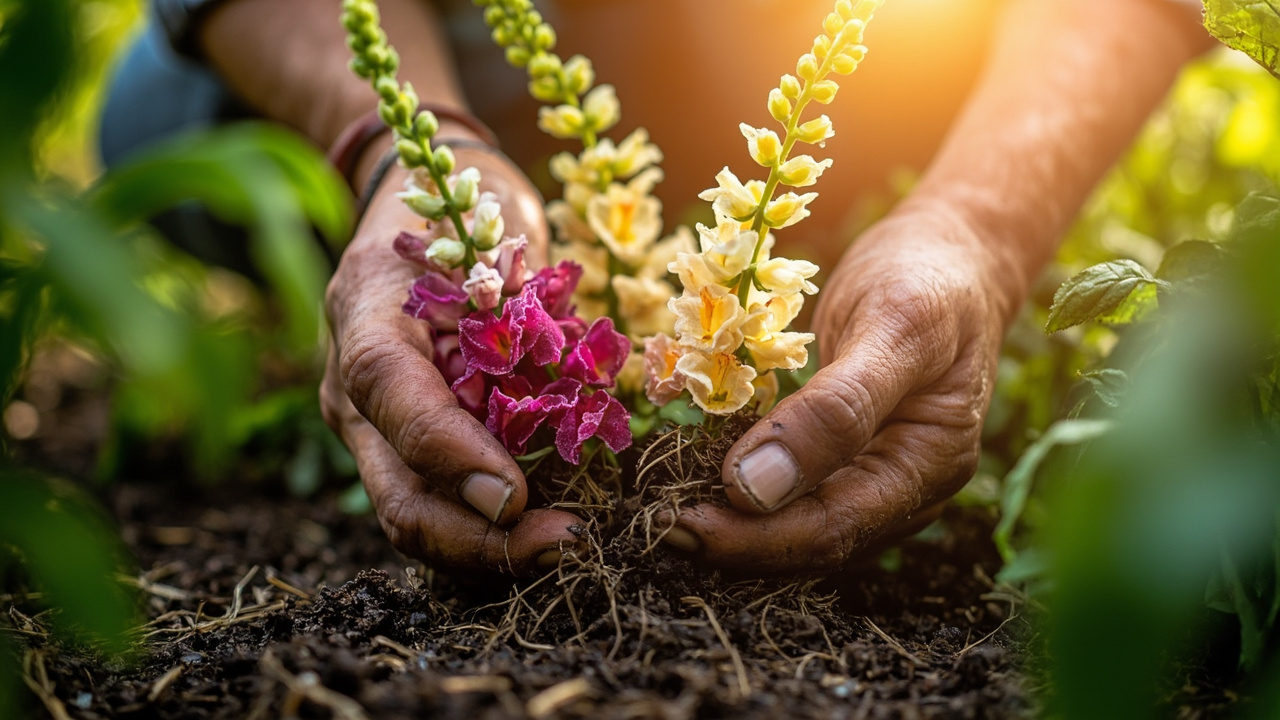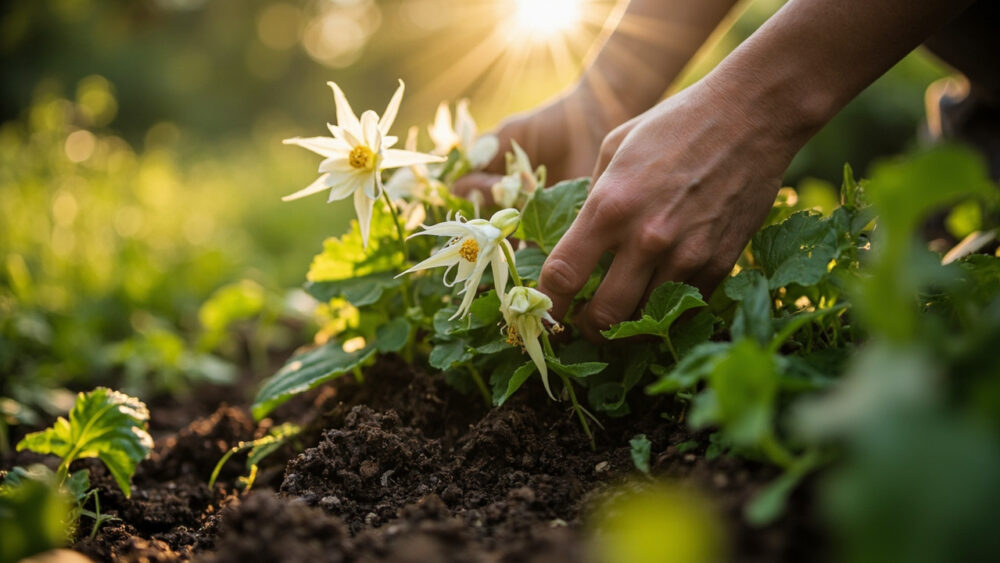
Plant columbines from nursery starts two to three weeks before your last frost, or start seed indoors eight to ten weeks earlier, since these tough little perennials actually want a cold spell to germinate well. Space plants 12 to 18 inches apart in a spot that gets morning sun and afternoon shade, and once they settle in you will get nodding, spurred flowers from late spring into early summer for years afterward. If you are wondering how to grow columbines that actually come back and multiply instead of fizzling out after one season, the answer is mostly about timing the cold and getting the drainage right, not fussing over fertilizer.
Most people who fail with columbines make one specific mistake early on, and it has nothing to do with watering. There is also a sign in the leaves that everyone assumes means disease when it is usually something else entirely.
Stick with me through the sections below and I will walk you through planting, feeding, the real threats to watch for, and exactly when those blooms and seed pods are ready. The save-able Columbines at a Glance card is waiting at the bottom once you have the full picture.
When to Plant Columbines
Columbine seed needs cold to break dormancy, so timing is not just about frost, it is about tricking the seed into thinking winter happened. If you are direct-sowing outdoors, do it in fall or very early spring while soil temperatures still sit in the 40s F, so the seed gets a natural cold stretch before it sprouts.
Starting indoors works better for most gardeners because you control the cold treatment. Mix the seed with a bit of damp sand, seal it in a bag, and refrigerate it for three to four weeks before sowing. Then start it indoors six to eight weeks before your last frost date.
Nursery transplants are the shortcut. Set them out two to three weeks before your last frost since columbines tolerate light frost fine once they have a few true leaves.
Get the cold timing right and the rest of the season is mostly maintenance.
Choosing the Spot and Prepping the Soil
Columbines want morning sun and afternoon shade in hot climates, or nearly full sun in cooler ones (zones 3 to 6 especially). Too much hot afternoon sun scorches the foliage and shortens bloom time, especially once temperatures push past 85F.
Drainage matters more than fertility. These are woodland-edge plants by nature, used to loose, humus-rich soil that never stays soggy. If your soil is heavy clay, work in two to three inches of compost before planting, and consider raising the bed slightly.
Aim for soil pH in the 6.0 to 7.0 range, though columbines are forgiving here. What they will not forgive is a low spot where water pools after rain, since wet feet in winter is the fastest way to lose a columbine crown to rot.
Pick the right ground now and you save yourself a transplant later.
Step-by-Step Planting
- Depth: set crowns at the same depth they were growing in the pot, roughly 1/4 to 1/2 inch of soil over the crown, no deeper.
- Spacing: 12 to 18 inches apart depending on variety, since some cultivars spread wider than others.
- Hole size: dig a hole twice the width of the root ball, loosen the sides so roots can push outward easily.
- Technique: tease apart any circling roots, set the plant, backfill, and firm the soil gently without compacting it.
- Water in: soak thoroughly right after planting to settle soil around the roots and eliminate air pockets.
Once it is in the ground, the plant does the rest of the work, your job shifts to watering and watching.
Watering and Feeding Through the Season
Water new transplants two to three times a week for the first month, enough to keep the top two inches of soil consistently moist but not wet. Once established, columbines are reasonably drought-tolerant and only need supplemental water during stretches with no rain for a week or more.
Check soil by feel before watering, an inch down. If it is still cool and damp, skip it. Overwatering in heavy soil is a bigger killer than underwatering ever is.
Feed lightly. A balanced, slow-release fertilizer applied once in early spring is plenty. Heavy nitrogen pushes leafy growth at the expense of flowers and can make plants floppy and more prone to disease.
Mulch two inches deep with shredded bark or leaf mold to keep roots cool and moisture even, which also cuts down on the watering guesswork entirely.
Even with good watering and light feeding, a few problems show up almost every season, so it pays to know what you are looking at.
Problems to Watch For
Here is the sign everyone misreads: pale, squiggly trails through the leaves that look like disease. That is leaf miner damage, and it is cosmetic, not fatal. Cut off and discard affected leaves, and the plant regrows fine.
Powdery mildew shows up as a white, dusty coating on leaves, usually in humid conditions with poor air circulation. Space plants properly and water at the base rather than overhead to keep it from taking hold. If it appears, remove the worst leaves and treat with a fungicide labeled for powdery mildew, following the product label exactly.
Crown rot is the real threat, and it comes from soil that stays wet through winter. Once a crown rots, that plant is not coming back, which is why drainage matters more than almost anything else with this plant.
Aphids occasionally cluster on new growth. A strong spray of water or insecticidal soap applied per the label handles them without drama.
Columbines are not fragile plants, but they are honest about bad drainage, and that is worth remembering before you plant them in the wrong spot.
Handle these threats early and you will get to the reward most people are actually waiting for, the bloom.
When and How Columbines Bloom (and Reseed)
If you assumed columbines bloom the same year from seed, that guess is usually wrong. Seed-started plants typically flower in their second year, while nursery transplants set out in spring often bloom that same season since they are already a year old.
Bloom time runs late spring into early summer, lasting four to six weeks depending on your climate, with flowers opening in shades of blue, purple, pink, yellow, red, and white depending on variety. Deadhead spent blooms to extend flowering slightly, though columbines are not big rebloomers no matter how much you deadhead.
There is no harvest in the vegetable-garden sense here, but if you want seed, let a portion of the spent flowers form their papery seed pods. Pods turn brown and split open when ready, usually four to six weeks after bloom.
Columbines self-sow readily, sometimes too readily, and seedlings often show up feet away from the parent plant the following spring.
Let a few pods scatter naturally and you will likely never need to buy columbine seed again.
Columbines at a Glance
- When to plant: transplants two to three weeks before last frost, seed started indoors six to eight weeks before frost after three to four weeks of cold treatment.
- Spacing: 12 to 18 inches apart depending on variety.
- Planting depth: crown just barely covered, about 1/4 to 1/2 inch of soil over it.
- Light and soil: morning sun with afternoon shade in hot climates, well-drained humus-rich soil, pH 6.0 to 7.0.
- Watering: consistent moisture the first month, then drought-tolerant, water only when the top two inches of soil are dry.
- Bloom time: late spring into early summer, four to six weeks, second year from seed or first year from transplants.
- Biggest risks: crown rot from soggy winter soil, powdery mildew in humid crowded conditions, harmless leaf miner trails.
Get the drainage and the cold treatment right, and columbines mostly take care of themselves after that.
Everything else, the mildew, the aphids, the leaf miners, is manageable noise around a plant that wants to succeed.