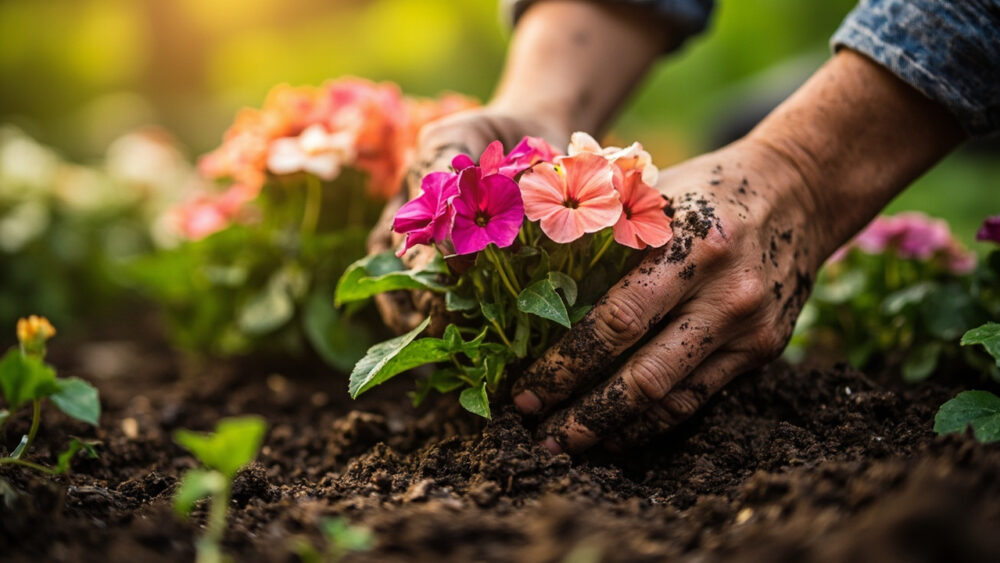
If you want to know how to grow impatiens successfully, here is the short version: plant them in shade or part shade about two weeks after your last frost, once nights stay above 50°F, space them 8 to 12 inches apart in rich, moist soil, and keep them evenly watered all summer. Do that and they will bloom nonstop from late spring until the first hard frost with almost no deadheading required.
But there is a mistake that wrecks more impatiens beds than any pest ever will, and it has nothing to do with sun or water. It is planting too early, before soil and night air have actually warmed, and it will cost you weeks of stalled, sulking plants that never quite recover their momentum.
There is also a disease that wiped out classic garden impatiens in a lot of regions over the past couple decades, and if nobody has told you about it yet, you need to know before you buy flats. And there is the honest answer to what happens if you plant these in full sun, which is not what the tag photo suggests. All of it is below, and the full Impatiens at a Glance card is waiting at the bottom to save to your phone before you head out to the nursery.
When to Plant Impatiens
Impatiens are tender and have zero frost tolerance, so timing is not a suggestion. Wait until night temperatures reliably sit above 50°Fwhich is usually two to three weeks after your last spring frost date. Soil temperature matters more than the calendar: push a finger a couple inches down, and it should feel cool but not cold, roughly 60°F or warmer.
Plant too early into cold, wet soil and you will see stunted, yellowish plants that just sit there for a month. This is the mistake that ruins most first attempts, and it is almost always impatience, not bad luck.
In most of the country this lands sometime in mid to late spring. Gardeners in zone 9 and warmer can plant earlier and often keep impatiens going as a fall and winter bedding plant too.
Get the timing right and the next decision, where you actually put them, matters just as much.
Choosing the Spot and Prepping the Soil
Impatiens are the classic shade flower, and that reputation is earned. Part shade to full shade is where they thriveespecially dappled light or morning sun with afternoon shade. Full, hot afternoon sun will scorch the leaves and dry out the shallow root zone faster than you can water it.
That said, the New Guinea impatiens type tolerates more sun than the classic bedding kind, so check which one you actually bought before you assume yours will sunburn.
Soil should be loose, rich in organic matter, and drain well while still holding moisture, which is a real balancing act. Work a couple inches of compost into the top 6 to 8 inches of soil before planting.
Good soil prep now means less babysitting with the hose later, which brings us to actually getting them in the ground.
Planting Impatiens Step by Step
Whether you started from seed indoors, bought flats, or are moving up potted impatiens, the planting technique is the same.
1. Harden off transplants
Set nursery flats or homegrown seedlings outside in shade for a few hours a day over 4 to 7 days before planting, increasing exposure gradually. Skip this and tender leaves can bleach or wilt in their first real day outside.
2. Dig the hole
Dig each hole about as deep as the root ball and slightly wider. Set the crown level with the surrounding soilnot buried and not sitting above grade on a little mound.
3. Space them right
Give bedding impatiens 8 to 12 inches between plants. New Guinea impatiens, which grow larger, want 12 to 18 inches. Tight spacing looks lush in June and turns into a moldy, airless mat by August.
4. Backfill and water in
Firm soil gently around the roots, no stomping, and water immediately and thoroughly to settle out air pockets.
Once they are in the ground, the real work shifts to keeping them fed and hydrated through the heat of summer.
Watering and Feeding Through the Season
Impatiens have shallow, fibrous roots and very little drought tolerance, so consistent moisture is non-negotiable. Check the top inch of soil daily during hot weather; if it’s dry, water. A drooping impatiens plant that perks back up within an hour of watering was just thirsty, not diseased.
If you assumed a wilted impatiens plant always means it needs water, that guess is right more often than not here, which is the one plant on your list where the obvious answer usually is the answer. Mulch 1 to 2 inches deep to hold that moisture and keep roots cool.
Feed every 2 to 4 weeks with a balanced liquid fertilizer, or mix a slow-release granular into the soil at planting time and top up mid-season. Impatiens are heavy, steady bloomers and they will visibly slow down and pale out if they run out of food.
Good watering habits keep the plants healthy, but healthy plants can still get hit by problems that have nothing to do with your care.
Problems That Actually Take Down Impatiens
Here is the answer nobody puts on the plant tag: classic bedding impatiens (Impatiens walleriana) are highly susceptible to impatiens downy mildew, a disease that swept through gardens in many regions over the past couple decades and can collapse an entire bed within days, showing up as a white, fuzzy coating on leaf undersides followed by yellowing and total leaf drop.
There is no cure once it takes holdand infected plants should be pulled and discarded, not composted. If downy mildew has hit your area before, New Guinea impatiens and SunPatiens are resistant and are the safer bet.
Beyond that disease, watch for slugs and snails chewing ragged holes in leaves overnight, and aphids clustering on new growth. Both respond to standard cultural controls; for anything beyond light pressure, follow a labeled product exactly rather than guessing at concentration.
Root rot from soggy, poorly drained soil is the other big killer, showing up as blackened stems at the soil line. That loops back to the drainage work you did before planting.
Sidestep these issues and you are basically home free for the rest of the season, right up to the point where people start asking when impatiens are actually “done.”
When Impatiens Bloom and How Long They Last
Impatiens do not have a harvest date the way a vegetable does. They are grown for continuous bloom, not a single peak. Expect flowers within 6 to 8 weeks of plantingand once they start, they keep going with essentially no deadheading needed, since spent blooms drop cleanly on their own.
They will bloom right up until the first hard frost kills them, since they have zero cold tolerance. In zone 9 and warmer, treat them as a longer-season or even year-round bedding plant.
If you want cut flowers, impatiens are not really built for the vase. They are a garden and container display plant, not a cutting-garden crop.
One more thing worth knowing before you plant them near pets or kids.
Are Impatiens Toxic?
Impatiens are generally considered non-toxic to dogs, cats, and people, and are not on the common poisonous plant lists. Mild stomach upset is possible if a pet eats a large quantity of any plant material.
If your pet or child eats a significant amount and shows vomiting, drooling, or other symptoms of concern, contact a veterinarian or doctor rather than waiting it out at home.
With the safety question settled, here is everything worth saving before you head outside.
Impatiens at a Glance
- When to plant: two to three weeks after your last frost, once nights stay above 50°F and soil feels around 60°F a couple inches down.
- Light: part shade to full shade for classic bedding impatiens, more sun tolerance with New Guinea and SunPatiens types.
- Spacing: 8 to 12 inches for bedding impatiens, 12 to 18 inches for New Guinea impatiens.
- Soil: rich, moisture retentive, well draining, amended with a couple inches of compost before planting.
- Watering: keep soil consistently moist, check daily in hot weather, mulch to hold moisture.
- Feeding: balanced liquid fertilizer every 2 to 4 weeks, or slow-release granular at planting with a mid-season top up.
- Biggest threat: impatiens downy mildew on classic walleriana types, no cure, pull and discard infected plants, choose resistant New Guinea or SunPatiens where it’s a known problem.
Get the timing and the shade right, and impatiens genuinely take care of themselves from there.
The one habit worth keeping all season is checking that top inch of soil, since with this plant, thirsty really is usually the answer.