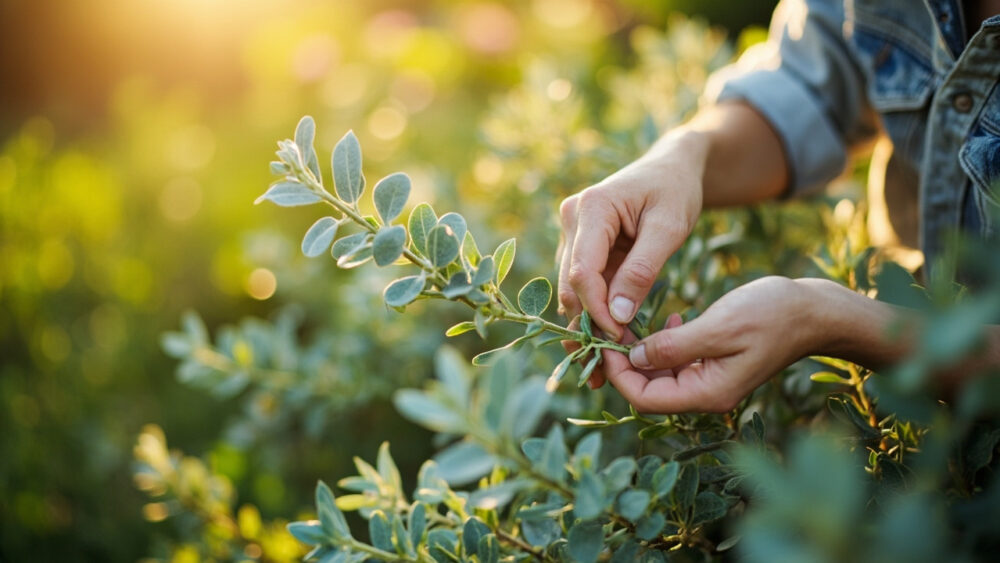
How to care for eucalyptus comes down to three non-negotiables: full sun, sharp drainage, and restraint with the watering can. Get those right and eucalyptus grows so fast it becomes a pruning problem rather than a dying-plant problem. Get any one of them wrong, especially the drainage, and you will watch a healthy-looking plant collapse in under two weeks.
Most people kill eucalyptus by treating it like a normal houseplant or a normal patio shrub, watering on a schedule and tucking it somewhere with bright but indirect light. That is the mistake that ends most attempts, and it is almost the opposite of what this plant wants.
Below you will find the light and water rules that actually apply, the pruning move that keeps eucalyptus from turning into a 20-foot problem, the disease that shows up almost silently, and the honest signs that separate a thriving eucalyptus from one that is merely surviving. Save the Eucalyptus at a Glance card at the bottom for the numbers you will want again next week.
Light, Placement, and Temperature
Eucalyptus wants full sun, six or more hours of direct light a day, and it wants it consistently. Indoors near a window, even a bright one, it usually gets less than a third of that and starts stretching, dropping lower leaves, and going leggy within a month or two.
Outdoors it is hardy roughly in USDA zones 8 through 11 depending on species, and it wants a spot with real airflow, not a sheltered corner against a wall. Container plants brought outside for summer should go into full sun gradually over a week or two to avoid scorch.
Cold tolerance varies a lot by species: many take a light frost, few take a hard freeze, and a plant that gets hit hard by cold often looks fine for days before the damaged leaves suddenly brown and drop.
Placement solves most eucalyptus problems before they start.
Watering Eucalyptus: Less Than You Think
If you assumed eucalyptus likes to stay evenly moist like a tropical foliage plant, that guess is what kills most of them. Eucalyptus is native to dry, well-drained ground and it is genuinely more drought-tolerant than overwatered.
Check the soil two inches down before watering anything. If it is still cool and slightly damp, wait. Water thoroughly when it has dried out, then let it dry again almost completely before the next drink, this is a soak-then-dry rhythm, not a schedule.
In containers this often means watering every 7 to 10 days in summer heat and far less in cooler months. In the ground, an established eucalyptus needs supplemental water only during extended dry spells once it has been in for a season or two.
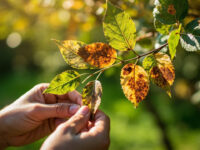
Yellowing lower leaves that feel soft and a pot that stays heavy and wet almost always mean overwatering, not underwatering, and it is the single most common misread symptom with this plant.
The soil itself decides whether that watering rhythm can even work.
Soil, Pots, and Feeding
Eucalyptus needs a mix that drains fast. A gritty, sandy, well-aerated potting mix, or straight cactus and succulent mix cut with a bit of regular potting soil, works better than anything labeled for houseplants.
Any container needs a real drainage hole, not a decorative dish underneath holding water. Roots sitting in standing water for more than a day or two start to rot, and eucalyptus rot does not reverse.
In the ground, amend heavy clay with coarse sand or grit before planting rather than trying to fix it after. Raised beds or mounded planting sites solve poor drainage without a full soil overhaul.
Feed lightly during the active growing season with a balanced, diluted liquid fertilizer every four to six weeks. Skip feeding in fall and winter, when growth naturally slows and excess fertilizer just pushes soft, weak growth that cold or pests exploit.
Get the soil right and the plant will grow faster than most people expect, which brings its own kind of maintenance.
Pruning, Repotting, and the Task Everyone Skips
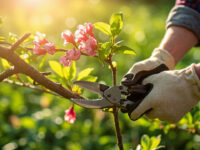
Eucalyptus grows fast, often two to three feet a season when happy, and it needs regular pruning to stay a manageable shape rather than a bare-bottomed tree with foliage only at the top. Cut it back hard in early spring, before the main growth push, removing up to a third of the plant’s height.
This is the step almost everyone underestimates, treating eucalyptus like a shrub that just fills in on its own. Left unpruned, most types get woody and sparse low down and never recover fullness in that zone, you have to force new growth with the cut, not wait for it.
Pinching young stem tips through the growing season also encourages the rounded, silvery juvenile foliage that most people actually want, since mature eucalyptus leaves are narrower and less showy.
Repot container plants every one to two years, moving up one pot size, and do it in spring. Eucalyptus resents being root-bound and resents a pot that is too large just as much, since excess soil holds moisture the roots do not need.
Skip the pruning and the plant does the opposite of what people expect: bigger, not fuller.
What Actually Goes Wrong
The most common outdoor failure is root rot from slow-draining soil or a wet spring, showing up as yellowing that starts low and moves up, combined with a trunk base that feels soft. There is no fixing advanced rot, the honest answer is to cut losses and replant in better-drained ground.
Indoors, the quiet killer is low light stress, not pests, though spider mites and scale do show up on stressed plants kept too dry and too dim. Fine webbing between leaves or small bumps along stems are the visual tells, and treating with insecticidal soap per the product label usually clears mild cases.
A less obvious problem is a fungal leaf spot that can appear almost silently as small dark blotches on otherwise healthy-looking foliage, worse in humid, still air. Improving airflow and avoiding overhead watering on the foliage handles most cases; a fungicide labeled for ornamental leaf spot handles the rest, applied exactly per the label.
Eucalyptus is not considered a plant to keep close to pets or curious kids without caution: it is listed as toxic to cats and dogs, and ingestion can cause vomiting, drooling, or lethargy. If you suspect a pet has eaten any part of it, call your veterinarian rather than waiting to see what happens.
Most of what looks like disease is actually a placement or watering problem wearing a disease costume.
The Real Signs of a Thriving Eucalyptus
A genuinely happy eucalyptus pushes new growth constantly through the warm months, with fresh stems showing that powdery blue-silver color noticeably brighter than older leaves. The whole plant should smell strongly of that sharp, medicinal eucalyptus scent when you brush the foliage, faint scent usually means the plant is under stress.
Leaves should feel a little waxy and stiff, not soft or floppy. Stiff, upright new growth reaching for light rather than stretching sideways toward a window is the clearest sign it is getting enough sun.
If you are pruning it back hard every spring just to keep up, that is not a problem, that is exactly what a thriving eucalyptus forces you to do.
Here is the card worth saving before you put the phone down.
Eucalyptus at a Glance
- Light: full sun, six or more hours of direct light daily, indoors near a bright window is rarely enough.
- Water: soak thoroughly then let the top two inches dry out before watering again, roughly every 7 to 10 days in summer containers.
- Soil: fast-draining, gritty or sandy mix, cactus and succulent blend works well, always with drainage holes.
- Temperature and zone: hardy roughly zones 8 through 11 depending on species, most tolerate light frost but not a hard freeze.
- Feeding: diluted balanced fertilizer every 4 to 6 weeks during active growth, none in fall and winter.
- Pruning: cut back up to a third of the plant’s height in early spring, pinch tips through the season to keep juvenile foliage.
- Repotting: every 1 to 2 years in spring, one pot size up, never a pot far larger than the root ball.
Get the drainage and the light right and eucalyptus almost takes care of itself. The pruning shears are the only real work left to do.