A redbud grows about 1 to 2 feet per year once it’s established, which makes it a moderate grower, not the fast shade tree some catalogs imply. Give it 7 to 10 years to reach a mature-looking 20 to 25 feet, with the bulk of that height showing up in years 3 through 8. That’s the honest answer to how fast do redbud trees grow, but the number on the tag is not always the number in your yard.
A redbud in full sun with decent drainage can outpace one crammed against a fence in heavy clay by a factor of two. There’s also a stage almost nobody warns you about, a stretch in the first year or two where the tree looks like it’s doing nothing at all, and that stall makes plenty of people think they’ve killed it when they haven’t.
Stick around for the stage-by-stage breakdown, the honest list of what actually speeds a redbud up versus what just wastes your money, and a save-able quick-reference card at the bottom with the core numbers in one place.
The Realistic Growth Timeline
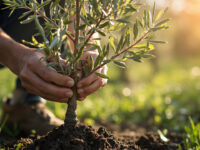
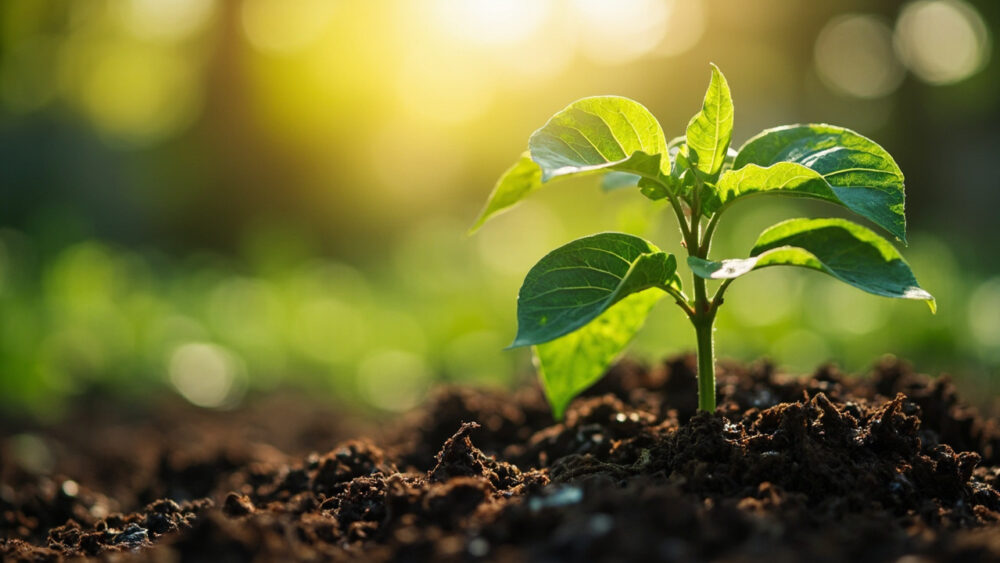
Redbuds are front-loaded procrastinators. The first year after planting is mostly root establishment, and you might see only 6 to 12 inches of new growth, sometimes less. That’s normal, not failure.
Once roots are settled, usually by year two or three, growth picks up to 1 to 2 feet a year and holds there through the tree’s early maturity. Most redbuds hit 15 to 20 feet by year 8 to 10, with a mature ceiling around 20 to 30 feet depending on variety and site.
After that, height growth slows noticeably and the tree spends its energy filling out its canopy instead.
That slow first year sets the tone for everything else, which is exactly why what controls speed matters so much.
What Actually Controls the Speed
Variety matters. Eastern redbud (Cercis canadensis) is the standard grower at 1 to 2 feet a year. Some Asian and hybrid redbud types grow a bit slower and stay smaller by design, so if your tree seems sluggish compared to a neighbor’s, check whether you’re even comparing the same variety.
Sun exposure is the single biggest lever you control. Redbuds tolerate partial shade and will survive there, but full sun to light shade is what actually produces the 1 to 2 foot annual pace. In deep shade, expect closer to 6 inches a year, sometimes less.
Soil drainage runs a close second. Redbuds hate wet feet. Compacted or poorly drained clay slows roots down for years, not just the first season.
Climate zone plays in too. Redbuds are hardy roughly zone 4 through 9, but growth is fastest in zones 6 through 8 where the growing season is long without being brutally hot and dry.
Get the site right and you’re already ahead of the timeline, but you still need to know what each stage should actually look like.
Stage by Stage: What to Expect
Here’s the honest breakdown most people never get from a nursery tag:
- Year 1: Root establishment, minimal visible growth, 6 to 12 inches if you’re lucky, often less. This is the stall that worries people.
- Years 2 to 3: Growth accelerates to near the full 1 to 2 foot annual pace as the root system catches up.
- Years 4 to 7: Steady 1 to 2 feet a year, canopy starts to widen and the classic heart-shaped, dense crown fills in.
- Years 8 to 10: Tree reaches 15 to 25 feet, height growth begins slowing as the tree matures.
- Year 10 and beyond: Growth in height mostly stops, energy shifts to canopy density and trunk girth.
If your tree is in year one and looks stuck, that’s not a setback, that’s the schedule working as designed.
How to Speed It Up, and What Doesn’t Work
If you assumed heavy fertilizing is the fix, that guess actually backfires. Too much nitrogen pushes weak, leggy growth that’s more prone to storm damage and doesn’t hold up over time.
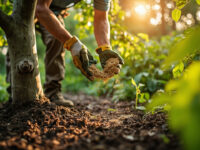
What genuinely helps: consistent water during the first two summers, especially the first, since that’s when roots are doing all the real work. A 2 to 3 inch mulch ring keeps soil moisture even and keeps a mower from scarring the trunk, which redbuds don’t recover from gracefully.
Full sun placement, correct planting depth (root flare at or slightly above grade, never buried), and staying off compacted soil all matter more than any additive you can buy.
What doesn’t work: transplanting a large nursery tree expecting it to “catch up” faster than a smaller one. Smaller, younger redbuds often outgrow larger transplants within five years because they suffer less transplant shock.
Patience and correct siting beat every product on the shelf, and that’s worth knowing before you spend money chasing speed.
When Slow Growth Is Normal vs a Real Problem
A redbud adding less than 6 inches a year after its third season, with thin foliage or dieback at branch tips, is telling you something is wrong, usually drainage, root competition, or a site that’s too shady.
Normal slow patches include the first year after planting, any year following a hard winter or drought summer, and older trees past year 10 that have simply reached their natural size.
Redbuds are also genuinely short-lived as ornamental trees go, often living 20 to 30 years, sometimes reaching 40 to 50 in ideal conditions. A mature tree slowing down at year 15 or 20 isn’t sick, it’s aging on schedule.
Canker disease and verticillium wilt are the real threats to watch for, showing up as sudden branch dieback or sunken bark lesions rather than gradual slow growth, and either warrants a call to a local extension office or certified arborist rather than a guess.
Knowing the difference between a resting tree and a struggling one saves you from either overreacting or ignoring something real.
Redbud Trees: Quick Reference
- Growth rate: about 1 to 2 feet per year once established, moderate speed overall.
- Time to maturity: 7 to 10 years to reach a mature-looking size, full maturity by 10 to 15 years.
- Mature height: typically 20 to 30 feet, depending on variety and site.
- Slow first year: expect only 6 to 12 inches of growth in year one while roots establish, this is normal.
- Best conditions for speed: full sun to light shade, well-drained soil, consistent moisture the first two summers.
- Hardiness range: USDA zones 4 through 9, fastest growth typically in zones 6 through 8.
- Lifespan: generally 20 to 30 years, up to 40 to 50 in excellent conditions.
Redbuds reward patience more than effort, the site does most of the work if you pick it right.
Give it good drainage, real sun, and a little water discipline early on, and the timeline above will run right on schedule.