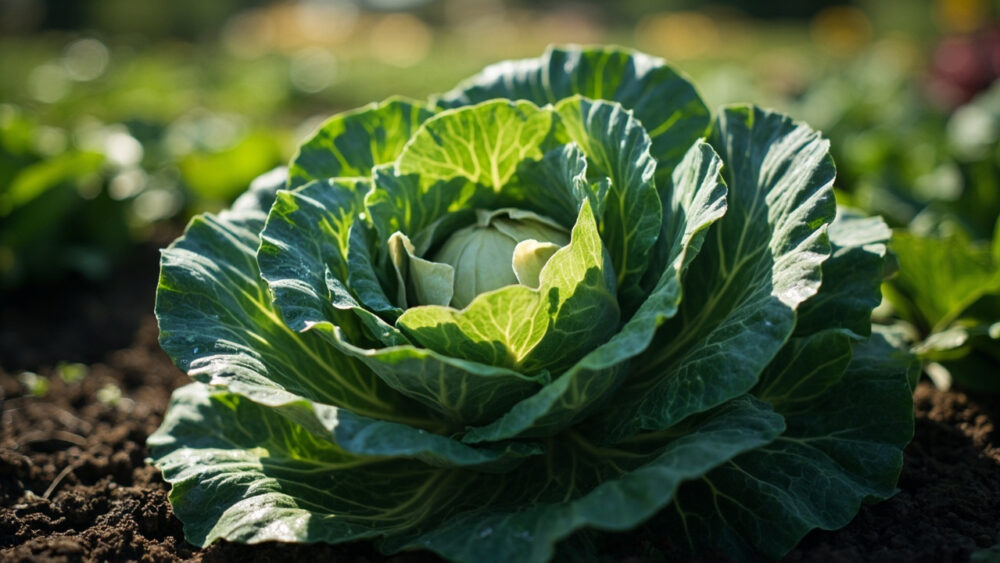
Most cabbage takes 60 to 105 days from transplant to harvest, or roughly 80 to 180 days if you start from seed, depending on the variety. That is a wide window, and the variety you picked matters more than almost anything else you do to the plant. Early types like Golden Acre mature fast, storage types like late Danish ballhead take their time and reward you with heads that keep for months.
The honest answer to how long does it take to grow cabbage depends on three things you can check today: which variety is in the ground, what the soil temperature is doing, and how consistent your watering has been. Guess wrong on any of those and you will either pull heads too small or watch them split waiting too long.
Below is the realistic stage-by-stage timeline, the honest signs that your plant is on schedule versus actually stalled, and a few tricks that genuinely shave off time versus the ones that just stress the plant. Save the quick-reference card at the very bottom for the numbers you will want again at planting time.
The Real Timeline, Start to Finish
From seed indoors to harvest generally runs 80 to 180 days total: 4 to 6 weeks to grow a transplant-ready seedling, then another 60 to 105 days in the ground. From a purchased transplant, you are only counting that second number.
Early varieties (think small, fast, tender heads around 3 to 5 pounds) hit maturity in 60 to 75 days. Mid-season varieties run 75 to 90 days. Late storage varieties, the dense heavy heads meant for root cellars and sauerkraut, need 90 to 105 days or more.
If nobody told you which type you planted, the head size on the seed packet or plant tag is your best clue.
What Actually Controls the Speed
Cabbage is a cool-season crop, and temperature runs the whole show. It grows fastest with daytime temps between 60 and 70°F. Below 45°F growth nearly stops. Above 80°F for extended stretches, the plant stalls, bolts, or bails on heading altogether.
Soil matters almost as much as air temperature. Cabbage wants consistently moist, fertile soil with steady nitrogen early on to build leaf mass before it starts forming a head. Dry spells followed by heavy watering cause cracked or split heads, not just slow ones.
Spacing counts too. Crowd plants closer than 12 to 18 inches and they compete for light and nutrients, which drags out the timeline and shrinks the harvest.
Get the temperature and moisture right and the calendar mostly takes care of itself.
Stage by Stage: What You Should See and When
Weeks 1 to 3 after transplant: the plant establishes roots and looks like it is doing almost nothing above ground. This is normal, not a stall.
Weeks 3 to 6: vigorous leaf growth. You should see the plant visibly widen week to week, building the outer leaves that will eventually wrap the head.
Weeks 6 to 10 (varies by variety): the center starts to tighten and cup inward. This is head formation, and it is the stage everyone gets impatient watching.
Final weeks: the head firms up. Squeeze it gently. A mature head feels dense and solid, not springy or hollow-feeling.
Once it feels solid all the way through, you are at or near harvest, whatever the calendar says.
How to Legitimately Speed It Up (and What Doesn’t Work)
Starting from transplants instead of direct-seeding saves you 4 to 6 weeks off the total timeline, which is the single biggest legitimate shortcut available. Choosing an early variety is the second biggest.
Consistent water and steady nitrogen in the early leafy-growth stage keep the plant from stalling, and a stall costs you more time than almost any other single mistake. Black plastic or dark mulch that warms the soil a few degrees in cool spring conditions helps too.
What does not work: heavy late-season nitrogen pushes, which grow leaves at the expense of a tight head and can actually delay harvest. Overcrowding to fit more plants in a bed slows every single one of them down. And there is no feed or spray that meaningfully compresses head formation once it has started. That stage runs on its own clock.
If you assumed more fertilizer always means a faster harvest, that guess is exactly what produces loose, leafy, slow-to-head plants.
Slow Cabbage: Normal Patience or an Actual Problem
A cabbage that seems to be taking forever is usually just fine if the leaves are dark green, firm, and still expanding. Cool, cloudy stretches slow everything down, and that is weather, not failure.
The real warning signs are different: leaves that stay pale or purplish (often nitrogen or phosphorus deficiency), wilting despite moist soil (check for cabbage root maggot or clubroot at the base), or a head that stays loose and never tightens even past the expected maturity window for that variety.
Heat is the other honest culprit. A long stretch above 80 to 85°F can stop head formation entirely, and a plant that stalled from heat usually will not resume properly once the head has already started to loosen or bolt.
If growth has genuinely stopped rather than just slowed, it is worth digging at the stem base and checking for maggots or soft rot before you blame the calendar.
Cabbage: Quick Reference
- Seed to harvest: 80 to 180 days total, depending on variety.
- Transplant to harvest: 60 to 105 days, the number most gardeners actually track.
- Early varieties: 60 to 75 days, smaller heads, fastest option.
- Late storage varieties: 90 to 105 days or more, largest and longest-keeping heads.
- Best growth temps: 60 to 70°F, with growth stalling below 45°F and above roughly 80°F.
- Ready to harvest: head feels dense and solid all the way through when gently squeezed, not springy or hollow.
Match the variety to your patience and your season, keep water and nitrogen steady early, and let the head-firming stage run on its own time.
That squeeze test is the only calendar that actually matters at the end.