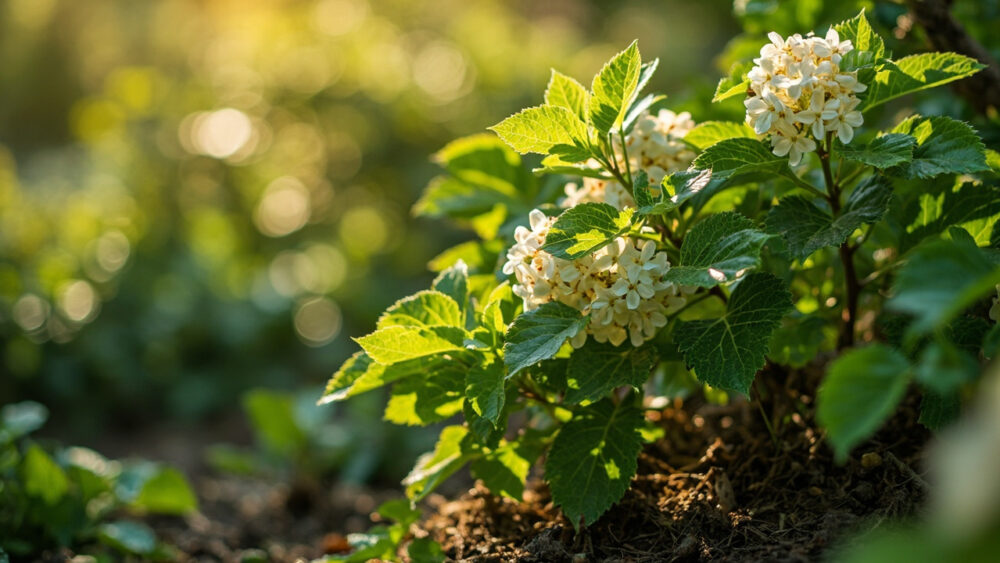
Most viburnum shrubs grow 1 to 2 feet per year once established, which puts them in the moderate to fast category for landscape shrubs. A bare-root or gallon-size plant typically needs 3 to 5 years to look like a real shrub, and 8 to 10 years to hit full mature size, which for most viburnum species lands somewhere between 6 and 12 feet, depending on which one you planted.
That range is honest but it hides a lot. The variety you bought matters more than almost anything else you’ll read below, and so does what happened in the ground during year one, the part most people skip past without realizing it decides everything that follows.
There’s also a real difference between a viburnum that’s growing slowly because that’s just its nature, and one that’s stalled because something is actually wrong. Stick with me through the stages and I’ll show you how to tell which one you’ve got, plus the moves that genuinely speed things up versus the ones that just waste your money. The save-able quick-reference card is at the bottom once you’ve got the full picture.
The Realistic Growth Timeline
Year one is almost always disappointing, and that’s normal. A newly planted viburnum spends its first year building roots, not top growth, so you might see only 6 to 12 inches of new growth, sometimes less.
Years two through five are where the real growth happens, typically 1 to 2 feet annually once the root system is established. By year five, a shrub planted at 2 to 3 feet is commonly 6 to 8 feet tall, depending on species.
After that, growth slows as the plant approaches its mature size and shifts energy toward filling out and flowering rather than gaining height.
Next, the part that actually decides which end of that range you land on.
What Actually Controls the Speed
Variety is the biggest factor, full stop. Arrowwood viburnum and viburnum tinus grow briskly and can add close to 2 feet a year in good conditions. Doublefile and Korean spice viburnum are slower and more deliberate, often under a foot a year even when happy.
Climate zone matters too. Viburnums generally thrive in USDA zones 5 through 8, and within that range warmer zones with a longer growing season simply pack in more growth per year than cooler ones.
Sun, soil, and water do the rest of the work. Full sun to light shade, consistently moist but well-drained soil, and a spring feeding push growth noticeably faster than a shrub stuck in dense shade with dry, compacted soil.
Here’s where most slow-growth complaints actually trace back to, and it’s not the plant’s fault.
Stage by Stage: What to Expect and When
Year one: mostly root establishment, minimal visible top growth, some leaf drop or wilting in hot stretches is normal as roots settle in.
Years two to three: noticeable branching and height gain begins, first real flowering often shows up in year two or three depending on variety and how mature the plant was at purchase.
Years three to five: this is the growth-spurt window, 1 to 2 feet a year, shrub starts taking its real shape.
- Years five to eight: growth continues but slows as the plant fills toward mature width and density.
- Year eight plus: height gain mostly stops, plant focuses on flowering and fruiting rather than getting bigger.
Knowing which stage you’re in tells you whether to be patient or to check for a problem, which is exactly what the next section sorts out.
How to Speed It Up, Legitimately
Watering consistency beats almost every other fix. Viburnum wants about an inch of water a week during the growing season, more in sandy soil or extended heat. Inconsistent watering stalls growth faster than nearly anything else.
A spring application of a balanced, slow-release fertilizer gives establishing shrubs a real push. Skip heavy nitrogen-only feeds late in the season, they encourage soft growth that winter damages.
Mulching 2 to 3 inches out to the drip line conserves moisture and keeps roots cooler, which matters more for speed than people expect.
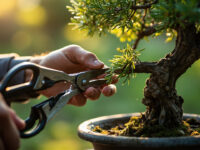
Correct pruning, thinning out crowded interior branches in late winter, redirects energy into stronger new growth rather than maintaining dead weight.
What doesn’t work: heavy pruning to “force” growth, dumping on extra fertilizer, or planting a bigger container size hoping it skips the establishment slump. None of that shortcuts root development, and pushing too hard often sets a plant back instead of forward.
Even with all that done right, some viburnums still look stalled, and that’s the question worth answering next.
When Slow Growth Is Normal, and When It’s a Problem
If you assumed a viburnum sitting still for a full year means something is wrong, that guess is usually incorrect. First-year transplant shock, with slow top growth and even some leaf yellowing, is standard and resolves on its own by year two.
The real warning signs are different: new growth that’s stunted and pale for two or more consecutive seasons, branches dying back rather than just growing slowly, or leaves that are chewed, spotted, or dropping in summer well before fall.
Those point to a fixable cultural issue most of the time, poor drainage, too much shade, root competition from nearby trees, or a pest like aphids or scale, which is a cultural and monitoring issue best addressed by following the label on an appropriate treatment if it becomes severe.
Genuinely diseased or badly rootbound plants sometimes never catch up and are worth replacing rather than nursing for years.
If your shrub fits the normal pattern, the reference card below tells you exactly what to expect and when.
Viburnum: Quick Reference
- Average growth rate: 1 to 2 feet per year once established, after a slower first year focused on root growth.
- Time to landscape size: 3 to 5 years for a shrub that looks established, 8 to 10 years for full mature size.
- Mature size range: 6 to 12 feet tall for most species, with some compact varieties staying under 6 feet and some large types exceeding 12.
- Fastest varieties: arrowwood and viburnum tinus, often near the top of the 2 foot per year range.
- Slower varieties: doublefile and Korean spice, commonly under a foot per year even in good conditions.
- Best growing zones: USDA zones 5 through 8 for most common landscape viburnums, check the specific species tag for exact range.
- Speed boosters that actually work: consistent weekly watering, spring balanced fertilizer, 2 to 3 inches of mulch, and thinning prunes in late winter.
Give it consistent water and a couple of seasons before you judge it. Most viburnums that seem slow are just doing exactly what they’re supposed to.