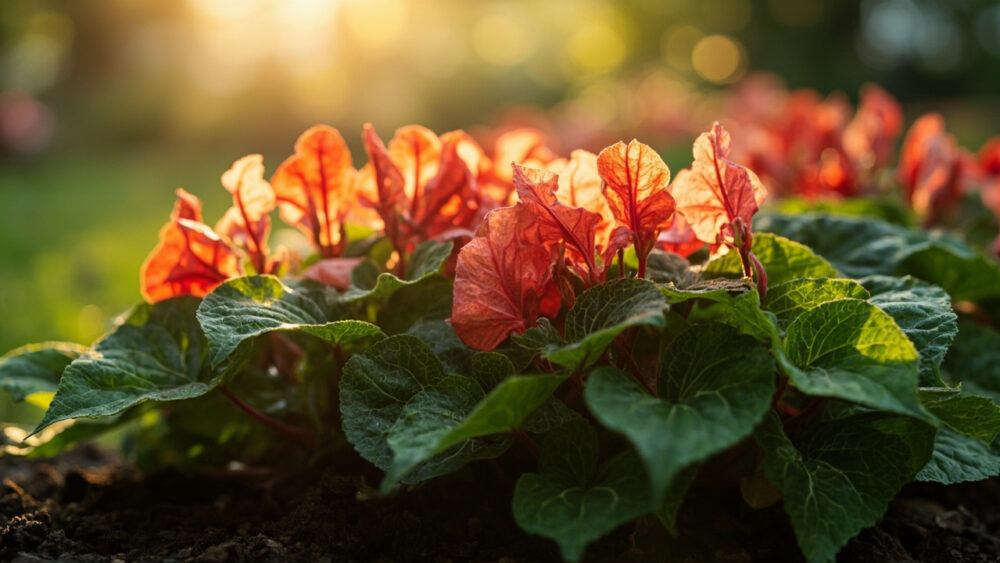
Most begonias will not survive winter outdoors, but the tuber or the plant itself often can be saved and brought back next year. If you are gardening in zone 9 or warmer, some begonias act as true perennials and come back on their own. Everywhere else, whether you see that plant again next season depends entirely on what you do in the next month or two.
So the real question hiding inside do begonias come back every year is not a simple yes or no. It is: which begonia do you have, what zone are you in, and are you willing to do a little off-season work to keep it alive.
Below I will walk through how to read your own plant and yard, what actually happens to a begonia over winter, and the honest case for just treating some of them as annuals. Save-able quick-reference card is at the bottom if you just want the cheat sheet.
The Plain Answer: It Depends on Your Zone and Your Begonia
Tuberous begonias (the big-flowered ones often grown in hanging baskets and containers) are perennial in zones 9 to 11, but everywhere colder they are grown as annuals unless you dig up and store the tubers. Wax begonias and most bedding types behave the same way: reliably perennial only where winters stay mild, tender everywhere else. Rex begonias and other rhizomatous types are usually grown as houseplants, so “coming back” for them means surviving indoors, not surviving your garden bed.
If you garden in zone 8 or colder, plan on your begonias dying back completely once frost hits, full stop. That is not a failure on your part. It is just what an unprotected tropical plant does at 32°F.
Your zone decides the baseline, but what you do next decides the rest.
What Happens Over Winter (Even If You Do Nothing)
Once nighttime temperatures drop into the 40s, begonias slow down hard. A frost turns the foliage black and mushy within a day or two, and that top growth is done for good.
Below the soil, though, tuberous begonias are often still alive. The tuber itself can survive the top-kill if it does not actually freeze solid in the ground. That is the detail most people miss: the plant looks dead, but the storage organ underneath may not be.
If you left the pot outside and temperatures stayed above roughly 20°F for just a night or two, dig down and check before you toss it. A firm, plump tuber is still viable. A soft, mushy, or hollow one is not, and that plant is finished.
Whether that tuber makes it to spring is almost entirely about what you do in the next few weeks, not luck.
How to Actually Get Your Begonia Back Next Year
If you assumed leaving the pot in a garage or shed is “close enough” to real winter storage, that guess is what kills most saved begonias, not the cold itself. Cold is fine. Damp and rot are what actually finish them off.
Here is the process that reliably works for tuberous begonias:
- Dig before hard frost: lift tubers once the first light frost blackens the foliage but before the ground has frozen solid.
- Cure them: let tubers air-dry in a shaded, ventilated spot for one to two weeks until the remaining foliage snaps off and the surface is dry to the touch.
- Store cold and dry: pack tubers in dry peat moss, vermiculite, or sawdust, and keep them at 40 to 50°F, somewhere like a basement or unheated closet, not a freezing garage.
- Check monthly: pull out and discard any tuber that turns soft, moldy, or shriveled. One rotten tuber can spread to the others.
- Restart in spring: pot tubers up indoors four to six weeks before your last frost date, eye-side up, barely covered, and move them outside once nights stay reliably above 50°F.
Wax begonias and rex begonias skip the tuber step entirely. Instead, take stem cuttings in late summer, root them in water or moist potting mix, and grow them on a bright windowsill through winter as houseplants.
Done right, this is a low-drama process, but it does require you to actually do it before frost, not after.
When Treating Begonias as Annuals Is Honestly the Smarter Move
Here is the part most articles will not tell you straight: for a lot of gardeners, saving begonias is not worth the shelf space or the monthly check-ins. If you only grow two or three pots, a fresh set of begonias each spring often costs less time and hassle than babysitting tubers all winter.
Storage failure is common, even for experienced gardeners. Basements that are too warm, too damp, or too dry will quietly rot or shrivel tubers before March, and you will not know until you unwrap them. That is a normal outcome, not a sign you did something wrong.
If you garden in a warm zone where begonias survive outdoors already, none of this applies to you. Everyone else gets to choose: commit to the storage routine, or restart clean every year with new plants.
Either choice is legitimate, which brings us to the numbers worth pinning to your fridge.
Begonias: Quick Reference
- Direct answer: begonias are perennial only in zones 9 to 11, tender everywhere else, and will not survive an unprotected winter outdoors below that.
- Tuberous types: dig before hard frost, cure one to two weeks, and store tubers at 40 to 50°F in dry peat or vermiculite.
- Wax and bedding types: save by taking stem cuttings in late summer and growing them indoors as houseplants over winter.
- Rex and rhizomatous types: grown as houseplants year round, so survival depends on indoor light and humidity, not the garden zone.
- Frost damage: blackened, mushy foliage after frost is normal top-kill, but check the tuber underneath before assuming the whole plant is dead.
- Restart timing: pot stored tubers indoors four to six weeks before your last frost, then move outside once nights stay above 50°F.
- Honest alternative: in cold zones, buying fresh begonias each spring is a completely reasonable choice over winter storage.
Whatever you decide, the plant itself is not fragile, just tropical, and it plays by tropical rules.
Match your effort to how many pots you actually have, and you will get exactly the result you were hoping for.