Yes, you can freeze okra, and done right it holds its flavor and texture for 8 to 12 months in the freezer. The short version: wash it, trim it, blanch it briefly, cool it fast, and freeze it dry on a tray before bagging it. Skip the blanch or skip the dry freeze and you get a slimy, clumped, freezer-burned mess by February.
That’s the easy part. What trips people up is everything around it: whether to slice or freeze pods whole, how long that blanch really needs to be, and the one step almost everyone skips that turns a bag of okra into a solid brick. There’s also the honest answer to the question you’re about to ask next, which is whether frozen okra is any good fried, because that changes how you should cut it before it ever goes in the freezer.
Stick with me through the how-to and the mistakes, because the Okra at a Glance card at the bottom is the part worth screenshotting before you touch a single pod.
The Method That Actually Works
Blanching is not optional if you want okra that separates easily and doesn’t turn gray and mushy. Bring a pot of water to a full boil, drop in whole or sliced pods, and time it: 3 to 4 minutes for whole pods, 2 minutes for sliced. Pull them straight into an ice bath for the same amount of time you blanched them.
Drain thoroughly and pat dry with a towel. Wet okra is the fastest route to a solid ice block instead of loose pieces.
Spread the pieces on a parchment-lined sheet pan in a single layer, not touching, and freeze for 1 to 2 hours until firm. Then transfer to a freezer bag or container, press out the air, and label it with the date.
This flash-freeze step is the one most people skip, and it’s exactly why the next section matters.
The Mistake That Ruins Almost Every Batch
If you guessed the big mistake is not washing the okra well enough, that’s a reasonable guess, but it’s not the one that actually wrecks most batches. Dirt rinses off fine with a quick rinse under cool water and a pat dry.
The real culprit is skipping the tray freeze and bagging okra straight from the ice bath. Wet, warm, or crowded pieces freeze into one solid clump. Once that happens you can’t pull out a handful for gumbo without thawing the entire bag, and thawed-then-refrozen okra turns to mush.
The second most common mistake is skipping the blanch entirely because “it’s just going in soup anyway.” Unblanched okra keeps some enzyme activity alive in the freezer, so it loses color, gets stronger tasting, and breaks down faster in storage even if you never notice the texture change until month three.
Once you’ve dodged both of those, the next decision is whether to freeze it whole or sliced, and that decision depends entirely on what you plan to cook.
Whole or Sliced: Cut Based on How You’ll Cook It
This is the follow-up question everyone has and nobody answers clearly. Freeze it whole if you plan to fry it or roast it later, because whole pods hold their shape and don’t get slimy when thawed and cooked hot and fast.
Freeze it sliced if it’s headed for gumbo, soup, or a stew where texture breakdown doesn’t matter and you want it ready to drop straight into the pot.
Do not slice okra you intend to fry and expect crispy results straight from frozen. The cut surfaces release more moisture on thawing, and that extra liquid steams instead of crisps in the pan.
Get the cut right for the dish, and the curing and storage questions below stop being a gamble.
How Long Okra Actually Keeps, Every Way
Fresh okra on the counter is done in a day or two, it turns limp and starts spotting fast in warm kitchens.
In the fridge, raw whole pods hold 3 to 5 days in a paper bag or loosely wrapped in a produce drawer. Plastic bags trap moisture and speed up sliminess, so skip them if you can.
Blanched and properly tray-frozen okra keeps its quality for 8 to 12 months in the freezer. It stays technically safe to eat well past that, but texture and flavor start fading after a year.
Cooked okra dishes, like a finished gumbo or fried okra, keep 3 to 4 days refrigerated and freeze reasonably well for 2 to 3 months, though fried okra loses its crunch entirely on reheat.
Storage life only holds up if the prep before freezing was right, so let’s cover what “turned” actually looks like.
Signs Your Okra Has Turned, Fresh or Frozen
Fresh okra that’s past its prime gets soft spots, a dull or yellowing color, and pods that bend instead of snapping when you try to break the tip off. A slippery film on the surface means it’s on its way out, use it fast or compost it.
Frozen okra that’s gone bad looks different: heavy ice crystals inside the bag, pieces fused into one gray block, or a sour smell after thawing. Freezer burn shows up as dry, white patches on the surface and a tough, stringy texture once cooked.
None of this is dangerous in the food-safety sense if it’s just freezer burn, it’s simply not worth eating. Sour smell or slime after thawing means toss it.
Knowing what ruined looks like is only half the job, so here’s the full list of what causes it.
Every Mistake That Costs You a Batch
- Skipping the blanch: leads to faster flavor loss, dull color, and mushier texture in storage.
- Bagging okra wet: causes clumping and a solid block you can’t portion later.
- Skipping the tray freeze: same clumping problem, plus uneven freezing.
- Overpacking freezer bags: traps air, speeds up freezer burn, and slows freezing enough to hurt texture.
- Freezing pods too large or too old: tough, fibrous pods stay tough after freezing, there’s no fixing that in the freezer.
- Forgetting to label with a date: you’ll lose track and either toss good okra early or eat past-prime okra without knowing.
Avoid those six and your okra comes out of the freezer tasting like it did the day you picked it.
Okra at a Glance
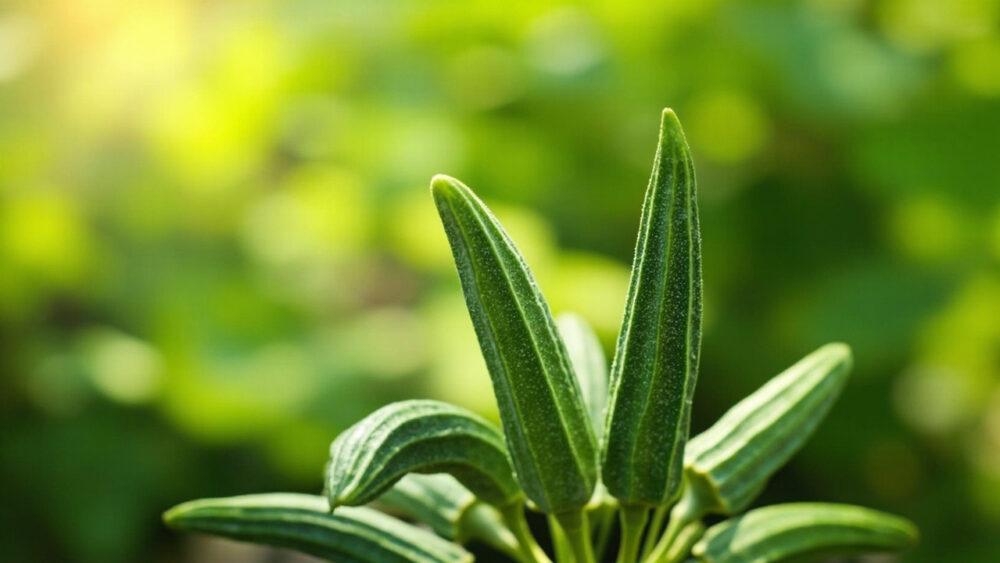
- Best pod size to freeze: 2 to 4 inches long, firm and bright green, tip snaps cleanly when bent.
- Blanch time: 3 to 4 minutes whole, 2 minutes sliced, followed by an equal-time ice bath.
- Prep before bagging: drain well, pat fully dry, tray freeze 1 to 2 hours before bagging.
- Freezer storage life: 8 to 12 months for best quality, safe longer but texture and flavor fade.
- Fridge storage, raw: 3 to 5 days in a paper bag or loosely wrapped, not sealed plastic.
- Cut choice: whole for frying or roasting later, sliced for gumbo, soup, or stew.
- Signs it’s gone: sour smell after thawing, slime, or a fused ice block with heavy freezer burn.
Blanch it, dry it, tray-freeze it before bagging. Get those three steps right and everything else about freezing okra takes care of itself.